Food price volatility reports: a closer look at trends
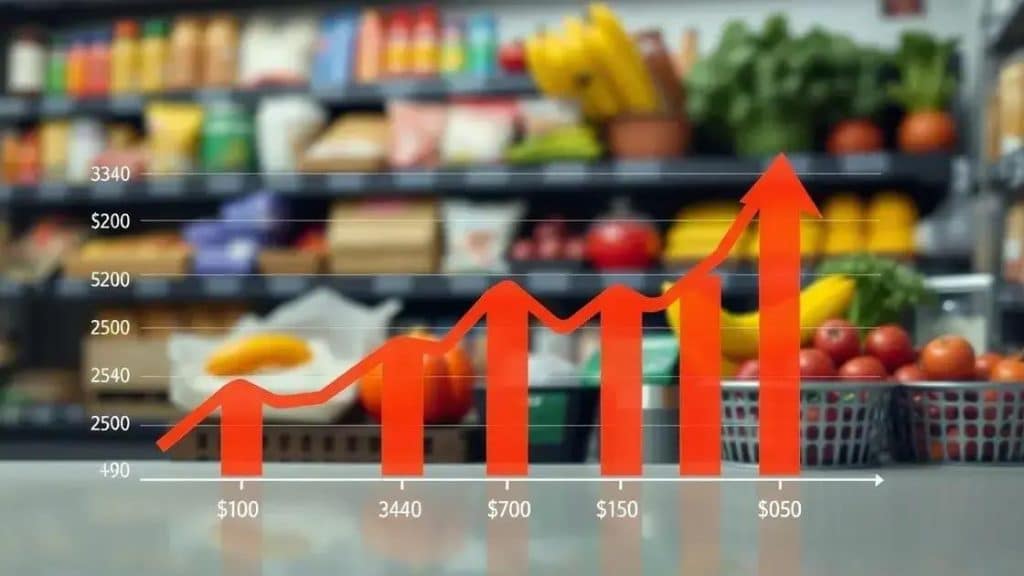
Food price volatility refers to the frequent fluctuations in food prices caused by factors like supply chain disruptions, demand changes, and weather conditions, significantly impacting consumer budgeting and purchasing decisions.
Food price volatility reports are essential to grasping the economic trends that affect our grocery budgets. Ever wondered why you pay more for certain items one month and less the next? Let’s dive into these insights together.
Understanding food price volatility
Understanding food price volatility is essential for consumers and producers alike. This phenomenon refers to the fluctuations in food prices over time, which can create challenges for budgeting and planning.
What Causes Food Price Volatility?
Several factors contribute to the ups and downs in food prices. Weather conditions, economic changes, and market demands can all play a role. For instance, if a drought occurs in a major farming region, prices for grains may surge as supply dwindles.
- Climate change affects crop yields and farming practices.
- Global demand influences food prices, as countries compete for limited resources.
- Transportation costs can rise due to fuel price fluctuations.
- Speculation in commodity markets can lead to artificial price increases.
As these factors intertwine, they create a dynamic environment where prices can shift rapidly. Consumers often feel the impact at the grocery store when they notice price changes week by week.
Effects on Consumers
The implications of food price volatility are significant. For families on a budget, unexpected price increases can stretch finances. Grocery shopping becomes a more complex task as consumers must adjust expectations and spending habits.
Many strategize by purchasing in bulk when prices are low or switching to less expensive alternatives. Additionally, learning about seasonality can help consumers buy foods when they are at their cheapest.
Awareness of food price volatility empowers shoppers to make informed choices. By staying vigilant about price trends, consumers can better navigate a fluctuating marketplace.
Factors driving fluctuations in food prices

Several factors drive fluctuations in food prices, making it essential to understand their impacts. By examining these drivers, consumers can gain insights into why prices change regularly.
Supply Chain Issues
One of the leading causes of price fluctuations is issues in the supply chain. When production is interrupted, whether due to natural disasters or logistical problems, food availability decreases. This scarcity can lead to higher prices as demand exceeds supply.
- Disruptions in transportation can prevent goods from reaching markets.
- Pests and diseases may destroy crops, reducing the available quantity.
- Labor shortages in farming can affect harvests and production rates.
Often, consumers notice price spikes during times of crisis, reflecting the heightened demand and diminished supply.
Market Demand
The changing preferences of consumers significantly influence food prices. As people seek healthier options, demand for certain foods increases, which can drive up prices. Additionally, shifts in dietary trends can create sudden surges in demand.
For example, the rise in popularity of plant-based diets has led to increased prices for legumes and grains. Understanding consumer preferences aids in anticipating price trends, enabling better purchasing decisions.
Global events, such as trade agreements or tariffs, can also impact food prices. These factors can either encourage imports or limit supply, creating price volatility in the marketplace. Staying informed about global changes helps consumers understand the bigger picture behind food pricing.
Impacts of food price volatility on consumers
The impacts of food price volatility on consumers can be significant and far-reaching. Price fluctuations can affect what people buy, how they budget, and their overall food security.
Changes in Consumer Behavior
When prices rise unexpectedly, consumers often adjust their shopping habits. Many switch to cheaper alternatives or reduce their overall spending on non-essential items. This change can lead to a shift in dietary patterns where people may buy less nutritious, lower-cost options.
- Increased demand for discounted items results in higher sales for budget brands.
- Reduced variety in meals, as consumers stick to staple foods to save money.
- Stockpiling behaviors may occur when prices are low, leading to shortages.
These changes can have longer-term effects on health as people may not get the nutrients they need.
Budget Strain
The strain on household budgets can become severe during periods of heightened price volatility. As food prices soar, families must make tough choices about where to allocate their limited resources.
Research shows that low-income households are particularly vulnerable, as they spend a larger portion of their income on food. This situation can lead to food insecurity for many families, who may struggle to provide sufficient meals.
Understanding the impacts of food price volatility allows consumers to navigate their finances better. Planning meals and exploring local food resources can help mitigate the effects of these price changes.
Strategies to navigate rising food costs

To effectively navigate rising food costs, consumers can employ several strategies that help maintain their budgets while ensuring a balanced diet. Understanding how to adapt can significantly lessen the impact of price volatility.
Plan Your Meals
One effective method is meal planning. By scheduling meals for the week, consumers can avoid impulse purchases and reduce food waste. Planning allows for bulk buying of ingredients, which often leads to savings.
- Create shopping lists based on your meal plan to avoid buying unnecessary items.
- Incorporate seasonal produce as they are usually cheaper and fresher.
- Use leftovers creatively to minimize waste and save money.
This structured approach not only helps keep expenses down but also ensures healthy eating.
Shop Smart
Another strategy is to shop smart. Consumers can take advantage of sales and discounts, often found in weekly ads. Comparing prices between stores can also lead to significant savings. Using coupons and loyalty programs can further enhance discounts.
Many people now choose to shop at local farmers’ markets, where they may find fresher produce at lower prices. Buying in bulk is often a great way to save money on staple items like grains and canned goods. However, it’s crucial to only buy what you can use before it spoils.
Monitoring local grocery store sales can also guide shopping habits to align with price drops on essential items. Being aware of store specials allows consumers to stock up on needed products at a lower cost.
In conclusion, navigating the challenges of food price volatility requires awareness and smart strategies. By planning meals, shopping smart, and understanding the factors behind price changes, consumers can manage their budgets better. Adapting to fluctuating prices isn’t just about saving money—it’s about making informed choices that impact health and wellness. Staying proactive and informed helps families enjoy balanced meals even in uncertain economic times.
FAQ – Common Questions About Food Price Volatility
What is food price volatility?
Food price volatility refers to the frequent and unpredictable changes in food prices due to various factors like supply and demand.
How can consumers cope with rising food costs?
Consumers can cope by planning meals, shopping smart, using coupons, and buying in bulk.
What factors contribute to fluctuations in food prices?
Factors include weather conditions, supply chain issues, global demand, and market speculation.
Why is it important to understand food price volatility?
Understanding food price volatility helps consumers make informed budgeting decisions and navigate grocery shopping effectively.