Federal Agencies Report 25% Surge in Logistics Cyber Threats Since 2026
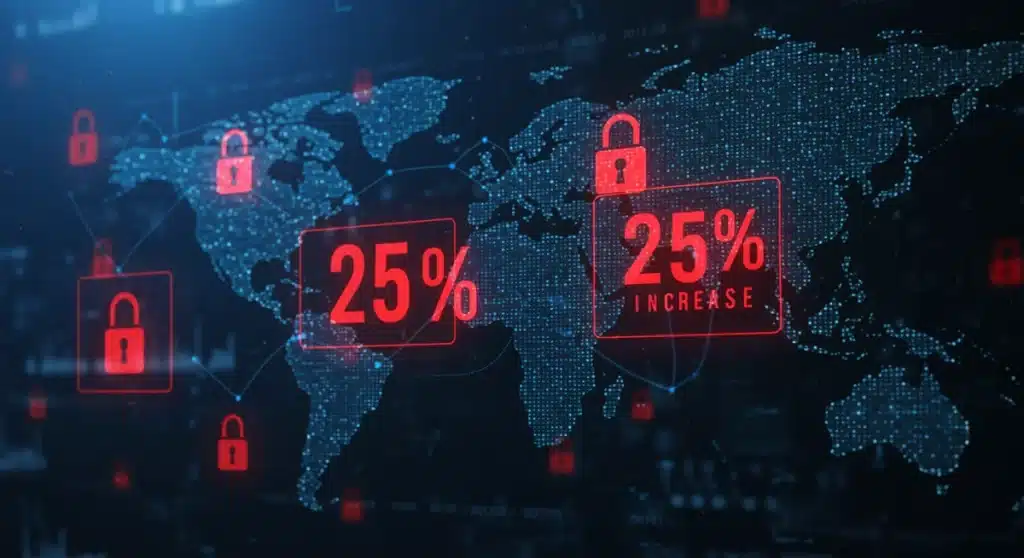
Security Brief: Federal Agencies Report a 25% Increase in Cyber Threats to Logistics Networks Since Early 2026.
In an increasingly interconnected world, the arteries of global commerce—our logistics networks—are under unprecedented assault. A recent, alarming report from various federal agencies has unveiled a stark reality: a staggering 25% increase in cyber threats targeting logistics networks since early 2026. This significant escalation underscores a critical vulnerability in the global supply chain, demanding immediate and robust countermeasures. The integrity and continuity of everything from national defense to everyday consumer goods depend on the resilience of these systems. This brief delves into the ramifications of this surge, identifies key attack vectors, and outlines essential strategies for fortifying our logistics infrastructure against these evolving threats.
The Escalating Threat Landscape for Logistics Cyber Threats
The 25% increase in logistics cyber threats is not merely a statistic; it represents a growing sophistication and determination among malicious actors. These aren’t isolated incidents but rather a concerted effort to disrupt, steal, or compromise critical logistical operations. The motives behind these attacks are varied, ranging from state-sponsored espionage and economic sabotage to financially motivated cybercrime. The sheer volume and complexity of these attacks are pushing the boundaries of traditional cybersecurity defenses, forcing federal agencies and private sector entities alike to re-evaluate their security postures.
Why Logistics Networks Are Prime Targets
Logistics networks are inherently complex, involving a multitude of stakeholders, legacy systems, and often global reach. This complexity creates a vast attack surface that cybercriminals are eager to exploit. Key factors making these networks attractive targets include:
- Interconnectedness: Modern logistics relies on highly integrated IT systems that connect suppliers, manufacturers, distributors, and customers. A breach in one segment can have ripple effects across the entire chain.
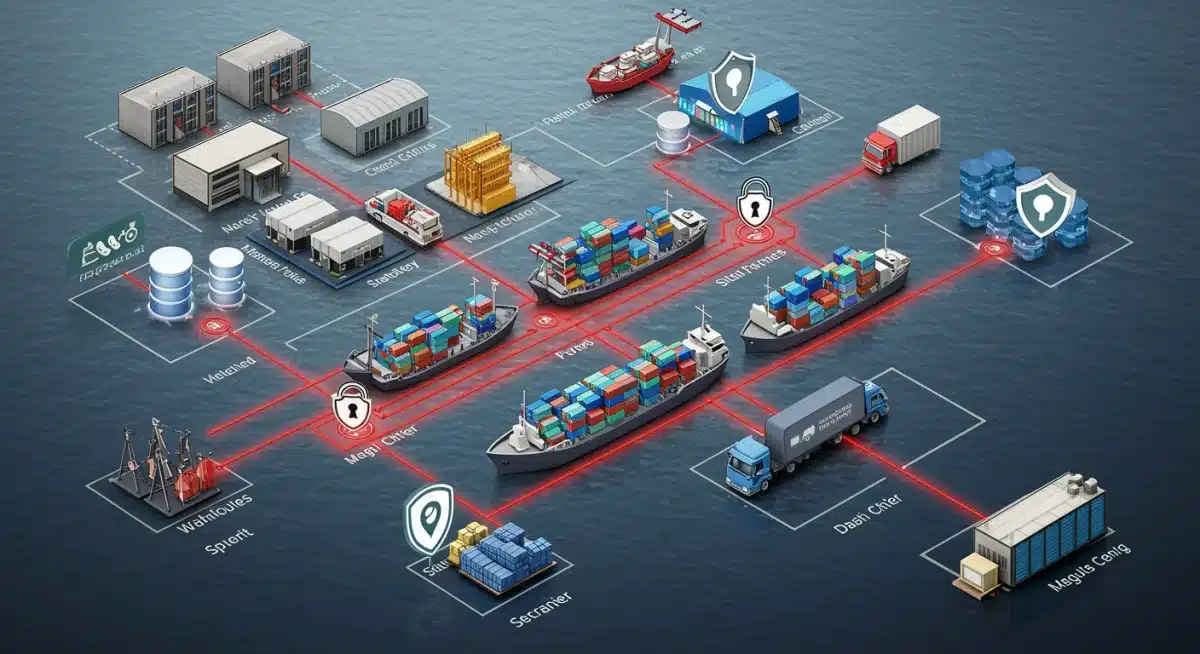
- Operational Technology (OT) Integration: Many logistics operations incorporate OT systems, such as automated warehouses, port cranes, and tracking devices. These systems, often older and less secure than traditional IT, present unique vulnerabilities.
- Just-in-Time (JIT) Dependencies: The prevalent JIT inventory management model means that disruptions can quickly lead to severe shortages and economic losses, making organizations more susceptible to ransomware and extortion.
- High Value Data: Logistics systems handle sensitive data, including proprietary shipping routes, inventory levels, customer information, and financial transactions, all of which are valuable to attackers.
- Global Reach: International logistics involves navigating diverse regulatory environments and varying cybersecurity standards, creating potential weak links.
Common Attack Vectors Exploited by Adversaries
The reported increase in logistics cyber threats highlights a range of sophisticated attack vectors. Understanding these methods is the first step towards building effective defenses.
Ransomware and Extortion
Ransomware remains a primary concern. Attackers encrypt critical logistics data and systems, demanding payment for their release. The immediate operational paralysis caused by ransomware can be devastating for time-sensitive logistics operations. The urgency to restore services often pressures victims into paying, further emboldening attackers. Recent trends show a shift towards double extortion, where data is not only encrypted but also exfiltrated and threatened to be leaked, increasing the pressure on victims.
Supply Chain Compromises
Perhaps the most insidious threat, supply chain compromises involve injecting malware or vulnerabilities into software or hardware at any point before it reaches the end-user. This can range from tampering with firmware in IoT devices used for tracking to compromising software updates for critical logistics management systems. The SolarWinds attack serves as a stark reminder of how a single compromise in the supply chain can have far-reaching implications.
Phishing and Social Engineering
Human error remains a significant vulnerability. Phishing emails, spear-phishing campaigns, and other social engineering tactics are used to gain initial access to logistics networks. Employees, often overwhelmed with tasks, can inadvertently click malicious links or open infected attachments, providing attackers with a foothold. These attacks are becoming increasingly sophisticated, often impersonating trusted partners or internal departments.
DDoS Attacks
Distributed Denial of Service (DDoS) attacks aim to overwhelm logistics company websites, online portals, or critical communication systems, rendering them inaccessible. While not always leading to data breaches, DDoS attacks can severely disrupt operations, prevent customers from tracking shipments, and halt critical communication, leading to significant financial losses and reputational damage.
Insider Threats
Both malicious and negligent insiders pose a considerable risk. Disgruntled employees might intentionally leak sensitive data or sabotage systems, while careless employees can inadvertently expose credentials or misconfigure systems, creating vulnerabilities that external attackers can exploit. The complex nature of logistics operations often means many employees have access to a wide array of systems, increasing this risk.
The Impact of Increased Logistics Cyber Threats
The consequences of a 25% surge in logistics cyber threats are multifaceted and severe:
- Economic Disruption: Supply chain disruptions can lead to significant financial losses due to operational downtime, lost revenue, contractual penalties, and recovery costs. A single major attack can ripple through entire industries.
- National Security Implications: For defense logistics, cyberattacks can compromise military operations, delay critical supplies, and expose sensitive information, posing a direct threat to national security.
- Reputational Damage: Breaches of customer data or prolonged service outages can severely damage a company’s reputation, leading to loss of trust and market share.
- Safety Risks: In some cases, compromising OT systems in logistics (e.g., port automation, railway signaling) could lead to physical accidents or endanger human lives.
- Regulatory Fines: Non-compliance with data protection and cybersecurity regulations following a breach can result in hefty fines, adding to the financial burden.
Federal Agencies’ Response and Recommendations
Recognizing the gravity of the situation, federal agencies are actively working to address the rising tide of logistics cyber threats. Their efforts include:
- Threat Intelligence Sharing: Enhancing platforms for sharing timely and actionable threat intelligence between government and industry partners. This includes indicators of compromise (IoCs), attack methodologies, and vulnerability disclosures.
- Regulatory Frameworks and Guidelines: Developing and updating cybersecurity guidelines and best practices specifically tailored for critical infrastructure sectors, including logistics.
- Capacity Building: Investing in training programs and resources to help logistics companies improve their cybersecurity capabilities, particularly for small and medium-sized enterprises (SMEs) which often lack dedicated security teams.
- International Cooperation: Collaborating with international partners to combat transnational cybercrime groups and share intelligence on global cyber threats.
Strategies for Fortifying Logistics Networks Against Cyber Threats
In light of the escalating threat, a multi-layered and proactive approach is essential for any organization involved in logistics. Here are key strategies:
1. Comprehensive Risk Assessment and Management
Organizations must conduct regular and thorough risk assessments to identify vulnerabilities across their entire logistics ecosystem, including IT, OT, and third-party vendors. This involves mapping out all critical assets, understanding potential threats, and evaluating the likelihood and impact of various attack scenarios. A robust risk management framework should then be established to prioritize and mitigate these risks.
2. Implementing Robust Access Control
Strict access controls are paramount. This includes implementing the principle of least privilege, ensuring that users and systems only have the minimum access necessary to perform their functions. Multi-factor authentication (MFA) should be mandatory for all accounts, especially for remote access and privileged accounts. Regular review of access rights is crucial to prevent privilege creep.
3. Network Segmentation
Segmenting networks into smaller, isolated zones can significantly limit the lateral movement of attackers. If one segment is compromised, the breach is contained, preventing it from spreading to critical operational or data systems. This is particularly important for separating IT and OT networks, which often have different security requirements and vulnerabilities.
4. Continuous Monitoring and Threat Detection
Implementing advanced security information and event management (SIEM) systems, intrusion detection/prevention systems (IDS/IPS), and endpoint detection and response (EDR) solutions are vital. Continuous monitoring allows for the early detection of suspicious activities, enabling rapid response to potential breaches. AI and machine learning can play a significant role in identifying anomalies that human analysts might miss.
5. Incident Response and Recovery Planning
A well-defined and regularly tested incident response plan is critical. This plan should outline clear roles and responsibilities, communication protocols, and steps for containment, eradication, recovery, and post-incident analysis. Regular drills and simulations help ensure that teams are prepared to respond effectively when an actual incident occurs. Data backup and disaster recovery strategies are also essential for business continuity.
6. Employee Training and Awareness
As human error is a leading cause of breaches, comprehensive and ongoing cybersecurity training for all employees is non-negotiable. Training should cover phishing awareness, secure browsing habits, password hygiene, and the importance of reporting suspicious activities. Phishing simulations can help reinforce these lessons and identify employees who need additional training.
7. Securing the Supply Chain Ecosystem
Given the nature of logistics cyber threats, securing third-party vendors and partners is as important as securing internal systems. Organizations must conduct due diligence on their suppliers’ cybersecurity practices, include robust security clauses in contracts, and consider implementing shared threat intelligence platforms with key partners. This extends to ensuring that all components, from hardware to software, are sourced from trusted vendors and regularly audited for integrity.
8. Patch Management and Vulnerability Management
Regularly patching and updating all software, firmware, and operating systems is fundamental. A robust vulnerability management program should include regular scans and penetration testing to identify and remediate weaknesses before attackers can exploit them. This is especially crucial for legacy OT systems that may require specialized patching procedures.

The Role of Emerging Technologies in Defense
As adversaries leverage advanced techniques, so too must defenders. Emerging technologies offer promising avenues for strengthening logistics cybersecurity:
- Artificial Intelligence and Machine Learning (AI/ML): AI/ML can enhance threat detection by analyzing vast amounts of data to identify patterns and anomalies indicative of an attack, often faster than human analysts. They can also automate responses to known threats, freeing up security personnel for more complex tasks.
- Blockchain for Supply Chain Transparency: While still evolving, blockchain technology could provide an immutable and transparent ledger for supply chain transactions, making it harder for attackers to tamper with data or introduce counterfeit goods.
- Zero Trust Architecture: Moving away from perimeter-based security, Zero Trust assumes that no user or device, whether inside or outside the network, should be implicitly trusted. Every access request is authenticated and authorized, significantly reducing the risk of lateral movement post-compromise.
- Quantum-Resistant Cryptography: As quantum computing advances, current encryption standards may become vulnerable. Research and development into quantum-resistant cryptography are critical to protect long-term data integrity in logistics.
Conclusion: A Collective Effort Against Logistics Cyber Threats
The 25% increase in logistics cyber threats since early 2026 serves as a powerful call to action. The complexity and interconnectedness of modern logistics demand a collective, coordinated effort from federal agencies, private companies, and international partners. There is no silver bullet; rather, a combination of robust technological defenses, vigilant human practices, and proactive intelligence sharing is required. Organizations must view cybersecurity not as a cost center, but as an essential investment in their operational resilience, economic stability, and national security. By embracing a culture of security and continuously adapting to the evolving threat landscape, we can safeguard the critical arteries of our global commerce against the persistent and growing challenges of cyber warfare.
The time for complacency is over. The future of global logistics hinges on our collective ability to defend against these sophisticated and relentless cyber adversaries. Proactive measures, continuous vigilance, and strong collaboration are the pillars upon which a secure and resilient logistics future will be built.