Federal Grants for Sustainable Transport: Up to $500K
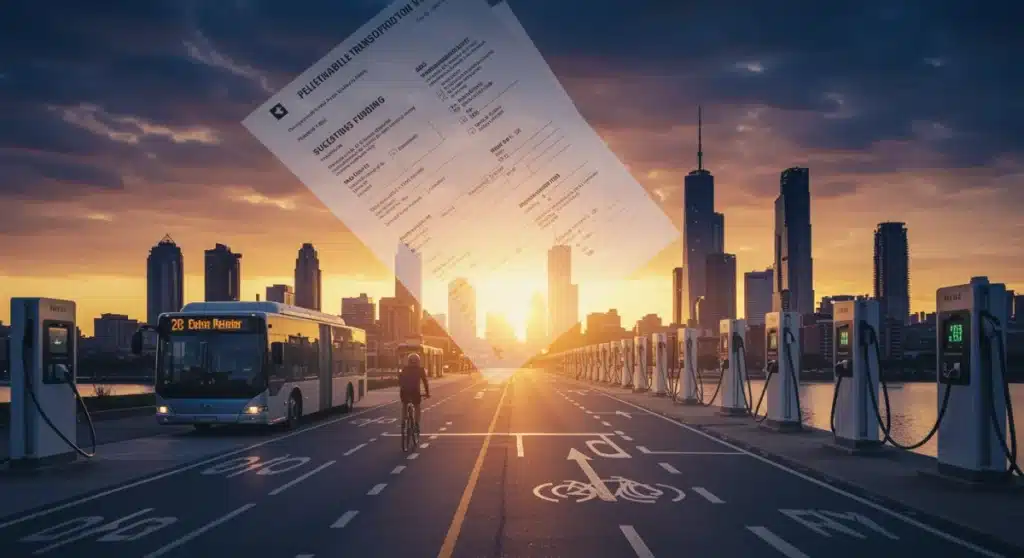
Securing federal grants for sustainable transportation infrastructure projects in the US requires a strategic approach, meticulous planning, and clear alignment with federal priorities to access funding up to $500,000 this year.
Are you looking to secure significant funding for your sustainable transportation initiatives? This comprehensive guide on Unlocking Federal Grants: A Step-by-Step Guide for Securing Up to $500,000 for Sustainable Transportation Infrastructure Projects this Year provides a clear pathway for organizations, municipalities, and agencies in the United States to access crucial federal support.
Understanding the Federal Funding Landscape
Navigating the complex world of federal grants can seem daunting, but understanding its structure is the first critical step. Federal funding for sustainable transportation is primarily channeled through various agencies, each with specific mandates and priorities. These grants are designed to support projects that reduce carbon emissions, improve public health, enhance economic competitiveness, and promote equitable access to transportation.
The U.S. Department of Transportation (DOT), Environmental Protection Agency (EPA), and Department of Energy (DOE) are key players in distributing these funds. Their programs often target specific areas such as electric vehicle charging infrastructure, public transit improvements, bicycle and pedestrian facilities, and innovative freight solutions. Familiarizing yourself with the core objectives of these departments will significantly streamline your search for relevant opportunities.
Key Agencies and Programs
Several federal agencies offer grant programs tailored to sustainable transportation. Each agency has unique focus areas and eligibility requirements. Understanding these distinctions is crucial for identifying the most suitable funding opportunities for your specific project.
- Department of Transportation (DOT): Offers programs like the Rebuilding American Infrastructure with Sustainability and Equity (RAISE) grants and the Congestion Mitigation and Air Quality (CMAQ) Improvement Program.
- Environmental Protection Agency (EPA): Focuses on grants that reduce air pollution and promote cleaner transportation technologies, often through initiatives like the Diesel Emissions Reduction Act (DERA) Program.
- Department of Energy (DOE): Supports research, development, and deployment of advanced vehicle technologies and alternative fuels, including programs for electric vehicle infrastructure.
By delving into the specific requirements and historical allocations of these programs, potential applicants can gain valuable insights into the types of projects that receive funding. This initial research phase is paramount for developing a competitive grant proposal that resonates with federal priorities and addresses critical national transportation challenges.
Identifying the Right Grant Opportunities
Once you have a foundational understanding of the federal funding landscape, the next crucial step is to pinpoint the grant opportunities that align perfectly with your project’s goals. This requires a systematic approach to research and analysis, leveraging various federal resources and tools designed to connect applicants with suitable programs. The sheer volume of available grants can be overwhelming, making targeted research indispensable.
Federal websites like Grants.gov and the specific departmental pages (e.g., DOT’s grant programs) are invaluable starting points. These platforms provide detailed descriptions of grant programs, including eligibility criteria, funding amounts, application deadlines, and contact information. It’s not enough to simply browse; you must meticulously read through the program guidelines, often referred to as Notice of Funding Opportunities (NOFOs) or Funding Opportunity Announcements (FOAs).
Utilizing Federal Resources
Grants.gov serves as the central hub for all federal grant opportunities, allowing users to search by keyword, agency, and eligibility. However, beyond this portal, individual agency websites often provide more in-depth information, including past awardees, success stories, and frequently asked questions. This additional context can help refine your understanding of what constitutes a strong application.
- Grants.gov: The primary database for federal grants. Use advanced search filters to narrow down results by agency, category, and eligibility.
- Agency-Specific Websites: Visit the DOT, EPA, and DOE websites directly for detailed program information, application resources, and contact persons.
- Grant Forecasts: Many agencies publish forecasts of upcoming funding opportunities, allowing you to plan ahead and prepare your project proposals in advance.
Engaging with webinars and information sessions hosted by federal agencies can also provide critical insights and opportunities to ask direct questions. These interactions can clarify ambiguities in program guidelines and help you understand the nuances of what reviewers are looking for in a successful proposal. Identifying the right grant is less about finding ‘any’ grant and more about finding the ‘perfect fit’ for your sustainable transportation project.
Crafting a Compelling Project Proposal
A well-written and persuasive project proposal is the cornerstone of a successful grant application. It must clearly articulate your project’s objectives, methodology, and anticipated impacts, demonstrating a strong alignment with the grant program’s goals. Federal agencies receive numerous applications, so yours must stand out through clarity, feasibility, and a compelling narrative that showcases its value.
Begin by outlining your project’s problem statement. What specific sustainable transportation challenge does your project aim to address? This should be followed by a detailed description of your proposed solution, explaining how it will alleviate the identified problem. Ensure that your project’s scope is realistic and achievable within the proposed timeline and budget. Overly ambitious or vague proposals often fail to impress reviewers.
Key Components of a Strong Proposal
Each section of your proposal plays a vital role in convincing the review committee of your project’s merit. Pay close attention to detail and ensure consistency across all components.
- Executive Summary: A concise overview of your entire proposal, highlighting key objectives, methods, and expected outcomes. This is often the first, and sometimes only, section reviewers read initially.
- Problem Statement: Clearly define the transportation issue your project will solve, supported by data and evidence.
- Project Description: Detail your project’s activities, timeline, and how it will be implemented.
- Goals and Objectives: State specific, measurable, achievable, relevant, and time-bound (SMART) goals your project aims to accomplish.
- Budget and Justification: Provide a detailed breakdown of all costs, explaining how each expense contributes to the project’s success.
- Evaluation Plan: Describe how you will measure your project’s success and impact.
- Organizational Capacity: Demonstrate your team’s experience and ability to successfully execute the project.
Remember to use clear, concise language, avoiding jargon where possible. Quantify your anticipated impacts whenever you can, using metrics such as reduced emissions, increased ridership, or enhanced safety. A strong proposal isn’t just about what you plan to do, but why it matters and how you will prove its success.
Developing a Robust Budget and Securing Matching Funds
A realistic and well-justified budget is a critical component of any successful federal grant application. Federal agencies scrutinize financial plans to ensure responsible use of taxpayer money, so precision and transparency are paramount. Your budget must clearly itemize all anticipated expenses, from personnel costs and equipment purchases to administrative overhead, ensuring every line item is directly tied to project activities.
Beyond simply listing costs, you must provide a detailed budget narrative that explains the necessity and reasonableness of each expense. This narrative should demonstrate a clear understanding of the project’s financial needs and how the requested federal funds will be utilized efficiently. Overinflated or underfunded budgets can both raise red flags for reviewers, signaling either a lack of financial planning or an unrealistic project scope.
The Importance of Matching Funds
Many federal grant programs require or strongly encourage matching funds, which are contributions from non-federal sources to support the project. These can come in various forms, including cash contributions, in-kind services (e.g., volunteer hours, donated equipment), or funds from state or local governments and private foundations. Securing matching funds demonstrates local commitment and broad support for your sustainable transportation project, significantly strengthening your application.
- Cash Contributions: Direct financial inputs from your organization, state/local government, or other partners.
- In-Kind Contributions: Non-cash resources such as donated professional services, equipment, or facilities. These must be clearly valued and documented.
- Leveraging Partnerships: Collaborating with other organizations, businesses, or academic institutions can provide access to additional resources and strengthen your matching fund profile.
Actively pursuing and documenting matching funds early in the application process is essential. It not only fulfills grant requirements but also showcases the broader impact and collaborative nature of your project, making it more attractive to federal reviewers. A robust budget combined with concrete matching commitments signals a well-planned and highly supported initiative.
Navigating the Application and Review Process

Successfully submitting a federal grant application involves more than just writing a compelling proposal; it requires meticulous attention to detail throughout the entire application and review process. Understanding the procedural steps and potential pitfalls can significantly increase your chances of securing funding. The process typically begins with registration on federal portals and culminates in a rigorous review by agency experts.
First and foremost, ensure your organization is properly registered in all required federal systems, such as Grants.gov and the System for Award Management (SAM.gov). These registrations can take several weeks to process, so it’s crucial to complete them well in advance of any application deadlines. Delays in registration are a common reason for otherwise strong applications being rejected.
Key Steps in the Application Journey
Each grant program will have specific instructions, but a general roadmap can guide your efforts. Adhering strictly to these guidelines is non-negotiable.
- Registration: Complete SAM.gov and Grants.gov registrations early.
- Review NOFO/FOA: Thoroughly read and understand all instructions, eligibility criteria, and submission requirements.
- Gather Supporting Documents: Collect all necessary attachments, such as letters of support, environmental impact statements, and financial audits.
- Complete Application Forms: Fill out all required federal forms accurately and completely.
- Proofread and Edit: Ensure your entire application is free of errors, consistent, and clearly articulates your project.
- Submit on Time: Submit your application well before the official deadline to avoid last-minute technical issues.
Once submitted, your application will undergo a multi-stage review process, typically involving program officers and external subject matter experts. They will evaluate your proposal against predefined criteria, including technical merit, project readiness, financial feasibility, and alignment with program objectives. Be prepared for potential requests for additional information or clarification during this phase. Patience and responsiveness are key as you navigate this critical stage.
Post-Award Management and Compliance
Securing a federal grant is a significant achievement, but it marks the beginning of a new phase: diligent post-award management and strict compliance with federal regulations. Proper management ensures the successful execution of your sustainable transportation project and maintains your organization’s eligibility for future funding opportunities. Non-compliance can lead to severe penalties, including the clawback of funds and disqualification from future grants.
Upon receiving an award, you will be required to sign a grant agreement outlining the terms and conditions. It is imperative to thoroughly review and understand this document, as it details your responsibilities regarding financial management, reporting, and project implementation. Establish robust internal controls and assign clear roles and responsibilities within your team to manage the grant effectively.
Essential Compliance Requirements
Federal grants come with a host of compliance obligations designed to ensure accountability and transparency. Adhering to these requirements is not optional.
- Financial Management: Maintain accurate and detailed financial records, track all expenditures, and ensure they align with the approved budget.
- Reporting: Submit regular progress reports (technical and financial) as required by the granting agency, detailing project activities, milestones achieved, and expenditure.
- Audits: Be prepared for potential audits, both internal and external, to verify financial records and project performance.
- Record Keeping: Retain all project-related documentation for the specified period, often several years after the grant closes.
- Environmental Compliance: Adhere to all environmental regulations and permitting requirements relevant to your project.
Effective communication with your federal program officer is also vital. They are a valuable resource for guidance and clarification on compliance issues. Proactive management and a commitment to transparency will not only ensure your project’s success but also build a strong reputation for your organization, paving the way for continued federal support in advancing sustainable transportation initiatives across the United States.
| Key Point | Brief Description |
|---|---|
| Research Opportunities | Utilize Grants.gov and agency sites to find relevant sustainable transportation programs. |
| Craft Proposal | Develop a clear, compelling project proposal with defined objectives and impacts. |
| Budget & Matching Funds | Create a detailed budget and secure required matching contributions. |
| Compliance | Ensure strict adherence to all federal regulations and reporting requirements post-award. |
Frequently Asked Questions About Federal Grants
Eligible projects typically include electric vehicle charging infrastructure, public transit modernization, bicycle and pedestrian pathways, alternative fuel initiatives, and smart city transportation solutions aimed at reducing emissions and improving mobility.
Begin by searching Grants.gov using keywords like ‘sustainable transportation’ and filtering by your state or region. Additionally, check the websites of the U.S. DOT, EPA, and DOE for localized programs and regional office contacts.
The timeline varies significantly by program, often ranging from 6 to 18 months from the application deadline to the award notification. It’s crucial to start preparations well in advance of published deadlines.
While not always strictly mandated, many federal programs require a non-federal cost share (matching funds) or give preference to applications demonstrating significant local commitment. Always check the specific grant’s NOFO for details.
Common reasons include incomplete applications, failure to meet eligibility criteria, proposals not aligning with program goals, unrealistic budgets, and lack of strong supporting data or letters of commitment. Meticulous adherence to guidelines is vital.
Conclusion
Securing federal grants for sustainable transportation infrastructure is a transformative opportunity for communities across the United States. By systematically understanding the funding landscape, diligently identifying appropriate opportunities, crafting compelling proposals, and ensuring rigorous post-award compliance, organizations can significantly advance their sustainable mobility goals. The journey requires strategic planning, attention to detail, and a commitment to collaboration, but the potential for impactful change, with up to $500,000 in federal support, makes the effort invaluable for building a greener, more efficient transportation future.