Federal Grants 2026: Up to 40% Funding for Sustainable US Business Fleets
Unlocking Federal Grants for Sustainable Fleets: A 2026 Guide to Securing Up to 40% Funding for US Businesses
In an era defined by environmental consciousness and economic innovation, the transition to sustainable business practices is no longer just an option but a strategic imperative. For US businesses, this shift is particularly potent in the realm of transportation, where fleet operations often represent a significant carbon footprint and operational cost. The good news? The federal government is stepping up with substantial support, offering federal grants for sustainable fleets that can cover up to an astonishing 40% of your conversion costs in 2026.
This comprehensive guide is designed to be your definitive resource for navigating the complex landscape of federal funding for sustainable fleets. We will delve into the specifics of available grants, eligibility criteria, the application process, and crucial strategies to maximize your chances of securing this vital financial assistance. Whether you operate a small delivery service, a large logistics company, or a municipal fleet, understanding and leveraging these federal grants for sustainable fleets can be a game-changer for your bottom line and your environmental impact.
The Growing Imperative for Sustainable Fleets
The global push for decarbonization and the increasing volatility of fossil fuel prices have made sustainable transportation a top priority for businesses worldwide. In the United States, this trend is amplified by regulatory pressures, consumer demand for eco-friendly services, and a growing understanding of the long-term economic benefits of green technologies. Sustainable fleets, primarily composed of electric vehicles (EVs) or those utilizing alternative fuels, offer numerous advantages:
- Reduced Operating Costs: Lower fuel and maintenance expenses compared to conventional internal combustion engine (ICE) vehicles.
- Environmental Benefits: Significant reduction in greenhouse gas emissions and air pollution, contributing to cleaner air and combating climate change.
- Enhanced Brand Image: Demonstrating corporate social responsibility can attract environmentally conscious customers and talent.
- Energy Independence: Less reliance on volatile fossil fuel markets.
- Regulatory Compliance: Proactive compliance with evolving emissions standards and sustainability mandates.
However, the initial capital investment required to transition to a sustainable fleet can be a significant barrier for many businesses. This is precisely where federal grants for sustainable fleets become invaluable, acting as a powerful catalyst for change.
Understanding Federal Grants for Sustainable Fleets in 2026
The US government, through various agencies, is committed to accelerating the adoption of clean transportation technologies. This commitment translates into a diverse array of grant programs designed to support businesses, non-profits, and state and local governments in their efforts to acquire sustainable vehicles and build necessary charging or fueling infrastructure. For 2026, we anticipate a continuation and potential expansion of existing programs, alongside new initiatives focusing on specific sectors or technological advancements.
Key Federal Agencies and Their Roles
Several federal agencies are instrumental in distributing federal grants for sustainable fleets. Understanding their mandates and funding priorities is crucial for identifying the most suitable opportunities:
- Department of Energy (DOE): The DOE plays a significant role in research, development, and deployment of clean energy technologies. Programs like the Clean Cities Coalition Network often provide resources and sometimes direct funding for alternative fuel vehicles and infrastructure.
- Environmental Protection Agency (EPA): The EPA’s focus is on protecting human health and the environment. Their grant programs, such as the Diesel Emissions Reduction Act (DERA) program, have historically provided funding for replacing or retrofitting older diesel engines with cleaner alternatives, including electric and alternative fuel vehicles.
- Department of Transportation (DOT): The DOT oversees the nation’s transportation infrastructure. Programs under the Federal Transit Administration (FTA) and Federal Highway Administration (FHWA) can offer grants for public transit agencies and, indirectly, for businesses involved in supporting these systems. The Bipartisan Infrastructure Law (BIL) has significantly boosted funding for various transportation initiatives, many of which indirectly or directly support sustainable fleets.
- Small Business Administration (SBA): While not a primary grant-giving agency for fleet conversion, the SBA can offer loans and resources that complement grant funding, particularly for small businesses looking to make sustainable upgrades.
It’s important to note that the specific grant programs and their funding levels can change annually. Therefore, continuous monitoring of federal announcements and grant portals is essential. The 40% funding figure often represents the maximum co-funding available through certain competitive grants, requiring businesses to demonstrate a strong project proposal and a clear path to environmental and economic benefits.
Eligibility Criteria: Who Qualifies for Federal Grants?
While specific eligibility requirements vary by grant program, several common themes emerge. Generally, federal grants for sustainable fleets are targeted towards entities that can demonstrate a clear need, a viable project plan, and a commitment to environmental stewardship.
Common Eligibility Factors:
- Type of Organization: Grants are often available for private businesses (small, medium, and large), non-profit organizations, state and local government agencies, tribal governments, and educational institutions.
- Fleet Size and Type: Some grants may target specific fleet sizes (e.g., small businesses) or vehicle types (e.g., heavy-duty trucks, school buses, delivery vans).
- Project Scope: The project must typically involve the acquisition of new alternative fuel vehicles, conversion of existing vehicles, or the installation of associated charging/fueling infrastructure.
- Geographic Location: While most federal grants are nationwide, some may prioritize projects in specific regions or those addressing particular environmental challenges (e.g., non-attainment areas for air quality).
- Environmental Impact: Applicants must often quantify the projected emissions reductions and other environmental benefits of their proposed project.
- Financial Viability: Businesses usually need to demonstrate financial stability and the ability to cover the remaining percentage of project costs not covered by the grant.
- Matching Funds/Cost Share: Many federal grants require a matching contribution from the applicant. This is where the ‘up to 40% funding’ comes into play, meaning the grant might cover 40%, and the applicant is responsible for the remaining 60%. This can be in the form of cash, in-kind contributions, or other non-federal funding.
- Data Collection and Reporting: Grantees are typically required to collect and report data on vehicle performance, fuel consumption, and emissions reductions.
It is paramount to thoroughly review the specific Request for Applications (RFA) or Notice of Funding Opportunity (NOFO) for each grant you consider, as these documents contain the definitive eligibility criteria.
Navigating the Application Process for Sustainable Fleet Grants
Securing federal grants for sustainable fleets is a competitive process that demands meticulous planning, thorough research, and a compelling proposal. While each grant has its unique application procedures, a general roadmap can guide your efforts.
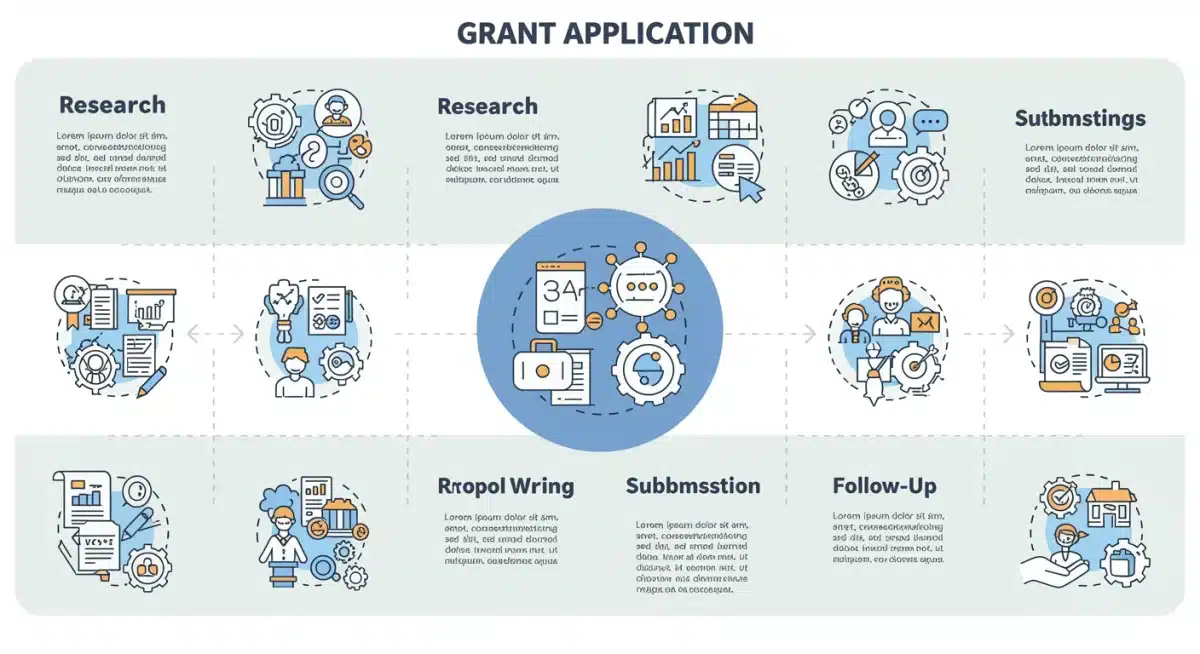
Step-by-Step Grant Application Guide:
- Research and Identify Suitable Grants: Begin by exploring federal grant databases such as Grants.gov. Filter by keywords like ‘electric vehicles,’ ‘alternative fuels,’ ‘fleet,’ ‘transportation,’ and the relevant federal agencies (DOE, EPA, DOT). Pay close attention to the funding opportunity announcements (FOAs) for 2026.
- Understand the Grant Program’s Goals: Each grant program has specific objectives. Your project proposal must align perfectly with these goals. Tailor your language and project description to reflect the program’s priorities.
- Review Eligibility and Requirements Carefully: This cannot be overstated. A single missed requirement can lead to disqualification. Create a checklist of all necessary documents, certifications, and data points.
- Develop a Strong Project Plan: Outline your proposed project in detail. This includes:
- Project Description: What vehicles or infrastructure will you acquire/install?
- Goals and Objectives: What do you aim to achieve (e.g., reduce emissions by X%, save Y dollars in fuel)?
- Methodology: How will you implement the project? (e.g., procurement process, installation timeline).
- Environmental Benefits: Quantify the expected reductions in greenhouse gases, pollutants, and other positive impacts.
- Economic Benefits: Detail cost savings, return on investment, and any job creation.
- Sustainability Plan: How will the benefits be sustained beyond the grant period?
- Prepare a Detailed Budget: Provide a clear, itemized budget that justifies all proposed expenses. Clearly delineate what the grant funds will cover and what your matching funds will provide. Ensure your budget aligns with the allowed uses of funds specified in the grant RFA.
- Gather Supporting Documentation: This often includes financial statements, letters of support, environmental impact assessments, technical specifications of proposed vehicles/equipment, and résumés of key project personnel.
- Write a Compelling Narrative: Your proposal is a story. It should clearly articulate the problem, your solution, the anticipated impact, and why your organization is the best candidate to receive the funding. Use clear, concise language and avoid jargon where possible.
- Secure Letters of Support/Commitment: Letters from community leaders, suppliers, partners, or customers can significantly strengthen your application, demonstrating broad support and project viability.
- Register and Submit: Most federal grants require registration on Grants.gov and potentially other federal systems (e.g., SAM.gov). Ensure all registrations are current and active well in advance of the deadline. Submit your application well before the deadline to avoid last-minute technical issues.
- Follow Up: While direct inquiries are often discouraged, stay informed about the review timeline and be prepared to respond to any requests for additional information.
Maximizing Your Chances: Strategies for Success
Given the competitive nature of federal grants for sustainable fleets, adopting strategic approaches can significantly enhance your application’s appeal.
Key Strategies Include:
- Start Early: Grant applications are complex and time-consuming. Begin your research and preparation months in advance of the anticipated deadline.
- Partner Strategically: Collaborate with other businesses, non-profits, or local government entities. Joint applications can often be stronger, demonstrating broader impact and resource leverage. For example, a logistics company might partner with a local utility for charging infrastructure development.
- Demonstrate Innovation: Highlight how your project incorporates cutting-edge technology or innovative approaches to sustainable fleet management.
- Quantify Everything: Where possible, use data and statistics to support your claims. How much fuel will you save? How many tons of CO2 will be avoided? What is the expected ROI?
- Show Community Benefit: Beyond direct business advantages, emphasize how your sustainable fleet project will benefit the local community, such as improved air quality, reduced noise pollution, or job creation.
- Align with Federal Priorities: Research current federal transportation and environmental priorities. Tailor your proposal to explicitly address these national goals.
- Seek Professional Assistance: Consider engaging grant writing consultants or organizations specializing in federal grants. Their expertise can be invaluable in navigating the process and crafting a winning proposal.
- Pilot Programs and Phased Approaches: If the full conversion is too ambitious for a single grant, propose a pilot program or a phased approach. This can demonstrate feasibility and build a track record for future, larger grants.
- Leverage Existing Infrastructure: If you already have some sustainable infrastructure or vehicles, highlight this. It demonstrates commitment and reduces the overall risk for the grantor.
- Focus on Fleet Optimization: Show how the new vehicles or infrastructure will integrate into an optimized fleet management strategy, leading to greater efficiency and lower costs.
The Financial Impact: Up to 40% Funding and Beyond
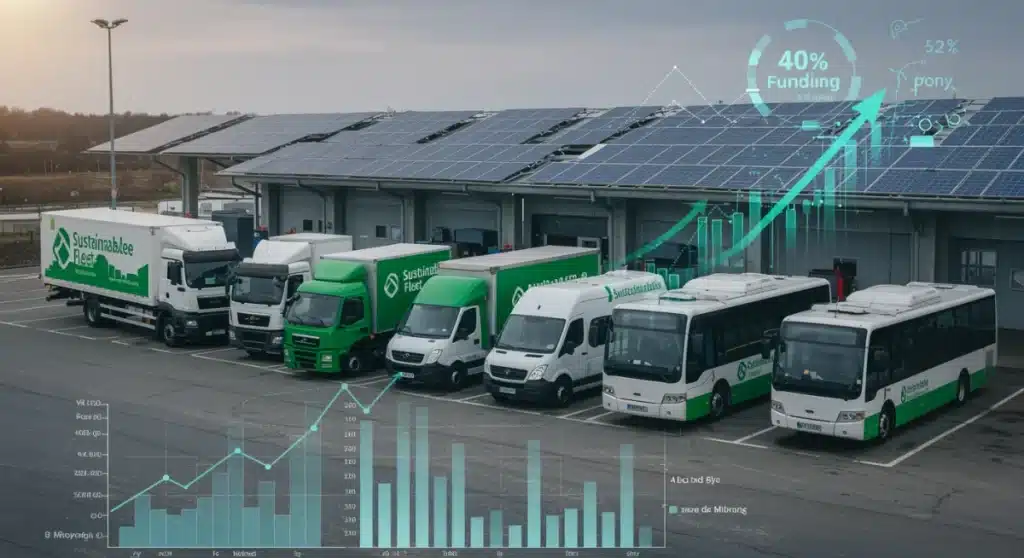
The prospect of securing up to 40% funding for your sustainable fleet conversion is a powerful incentive. This significant financial injection can drastically reduce the initial capital outlay, making the transition much more accessible and economically viable for US businesses. However, the financial benefits extend far beyond the initial grant award:
- Reduced Total Cost of Ownership (TCO): Grants lower the upfront cost, which, combined with lower operational expenses (fuel/electricity, maintenance), significantly decreases the TCO of sustainable vehicles.
- Accelerated ROI: With a substantial portion of the capital cost covered, the payback period for your investment in sustainable fleets shortens considerably.
- Access to Newer Technologies: Grants can enable businesses to adopt advanced, more efficient, and often more expensive sustainable vehicle technologies that might otherwise be out of reach.
- Enhanced Competitiveness: Lower operating costs and a greener image can provide a competitive edge in the marketplace.
- De-risking Investment: Government funding signals confidence in sustainable transportation technologies, de-risking your investment and potentially attracting private financing.
- Long-term Savings: The shift away from fossil fuels provides insulation against future fuel price spikes and carbon taxes.
While 40% is a substantial contribution, remember that it’s often a maximum. Many grants might cover a smaller percentage, and some may require a higher matching contribution. It’s crucial to budget meticulously and understand the financial implications of the entire project, not just the grant portion.

Anticipated Trends and Future Outlook for 2026
Looking ahead to 2026, several trends are likely to shape the landscape of federal grants for sustainable fleets:
- Continued Emphasis on Electrification: Electric vehicles (EVs) are expected to remain a primary focus, with grants supporting both vehicle acquisition and charging infrastructure development.
- Hydrogen Fuel Cell Technology: As hydrogen technology matures, we may see increased funding for hydrogen fuel cell vehicles and hydrogen fueling stations, particularly for heavy-duty applications.
- Focus on Environmental Justice: Grant programs are increasingly prioritizing projects that benefit disadvantaged communities disproportionately affected by pollution.
- Data-Driven Decision Making: There will be a continued emphasis on collecting and reporting data on emissions reductions, operational savings, and other key performance indicators to demonstrate the effectiveness of funded projects.
- Supply Chain Resilience: Grants may also encourage projects that strengthen domestic supply chains for clean transportation technologies.
- Cybersecurity for Infrastructure: As charging and fueling infrastructure becomes more interconnected, grants might include requirements or incentives for robust cybersecurity measures.
Staying abreast of these emerging trends will allow businesses to strategically position their projects for future funding opportunities. Participating in industry webinars, subscribing to government agency newsletters, and engaging with clean transportation advocacy groups can provide valuable insights.
Beyond Federal Grants: Complementary Funding Sources
While federal grants for sustainable fleets are a cornerstone of funding, US businesses should also explore other complementary financial avenues to achieve their sustainable fleet goals:
- State and Local Grants/Incentives: Many states and municipalities offer their own grant programs, rebates, and tax credits for EV purchases, charging infrastructure, and alternative fuels. These can often be stacked with federal funding.
- Utility Incentives: Electric utilities frequently offer incentives for commercial EV charging infrastructure, demand-side management programs, and fleet electrification.
- Tax Credits and Deductions: Federal and state tax credits (e.g., for clean commercial vehicles, alternative fuel infrastructure) can provide significant financial relief.
- Private Financing/Green Loans: Banks and financial institutions are increasingly offering specialized ‘green loans’ or financing options with favorable terms for sustainable projects.
- Leasing Programs: Some financial providers offer leasing options for electric vehicles and charging infrastructure, which can reduce upfront costs.
- Public-Private Partnerships: Collaborating with public entities can open doors to shared funding and resources.
A multi-pronged funding strategy, combining federal grants with other incentives, can significantly reduce the financial burden of transitioning to a sustainable fleet and accelerate your return on investment.
Case Studies and Success Stories (Hypothetical Examples for Inspiration)
To illustrate the tangible impact of federal grants for sustainable fleets, consider these hypothetical scenarios:
- "GreenDeliver Logistics" (Small Business): A regional delivery company, operating a fleet of 20 diesel vans, secured a DERA grant (administered by EPA) covering 35% of the cost to replace 10 older vans with new electric models. Additionally, a local utility incentive covered 50% of their charging station installation. This allowed them to reduce fuel costs by 60% on the new vehicles and significantly improve their brand image, attracting new eco-conscious clients.
- "MetroTransit Authority" (Municipal Fleet): A city’s public transit agency received a Federal Transit Administration (FTA) Low-No Emission Vehicle Program grant, covering 40% of the cost to procure 15 new electric buses and install fast-charging infrastructure at their depot. This not only reduced local air pollution but also provided substantial long-term fuel and maintenance savings for the city budget.
- "AgriHarvest Farms" (Agricultural Fleet): An agricultural enterprise, looking to reduce its carbon footprint, successfully applied for a USDA Rural Energy for America Program (REAP) grant to help fund the conversion of several farm utility vehicles to run on renewable natural gas (RNG) produced from their own waste. The grant covered 30% of the conversion costs, demonstrating the diverse applications of sustainable fleet funding.
These examples, while illustrative, highlight the diverse opportunities and significant financial benefits that can be realized through strategic pursuit of federal funding.
Conclusion: Drive Towards a Sustainable Future with Federal Support
The journey towards a sustainable fleet is a strategic investment that offers profound long-term benefits for US businesses, ranging from significant cost savings and enhanced operational efficiency to a reduced environmental footprint and improved public perception. The availability of federal grants for sustainable fleets in 2026, offering up to 40% funding, represents an unprecedented opportunity to accelerate this transition.
By diligently researching available programs, meticulously preparing your application, and employing strategic planning, your business can unlock the financial support needed to embrace clean transportation technologies. This is not merely about acquiring new vehicles; it’s about future-proofing your operations, contributing to a healthier planet, and positioning your business as a leader in the green economy. Start your journey today – the future of your fleet, and our environment, depends on it.