Federal Grants 2026: $1.5 Billion for Sustainable Urban Mobility
Breaking News: New Federal Grants Totaling $1.5 Billion Announced for Sustainable Urban Mobility Projects in 2026. This monumental announcement marks a pivotal moment for cities across the United States, ushering in an era of unprecedented investment in eco-friendly and efficient transportation solutions. The federal government’s commitment to sustainable urban mobility is not just a financial pledge; it’s a strategic move towards building healthier, more resilient, and economically vibrant communities. This article will delve into the specifics of these new Federal Grants 2026, exploring their scope, eligibility criteria, application process, and the transformative impact they are expected to have on urban landscapes.
For years, urban planners, environmental advocates, and local governments have championed the cause of sustainable transportation. The challenges are well-documented: escalating traffic congestion, air pollution, reliance on fossil fuels, and inadequate public transit infrastructure. These issues not only degrade the quality of life for urban residents but also contribute significantly to climate change. The newly announced Federal Grants 2026 are designed to directly address these pressing concerns, providing the necessary capital to catalyze innovative projects that promote walking, cycling, public transit, and electric vehicle adoption.
The allocation of $1.5 billion is a clear signal that the federal government recognizes the urgency and importance of this transition. This funding is not merely a handout; it’s an investment in the future, promising long-term returns in terms of environmental health, economic growth, and social equity. Cities that successfully secure these Federal Grants 2026 will be at the forefront of a national movement towards sustainability, setting benchmarks for others to follow.
Understanding the Scope of Federal Grants 2026 for Urban Mobility
The $1.5 billion in Federal Grants 2026 is earmarked for a broad spectrum of projects aimed at enhancing sustainable urban mobility. This comprehensive approach acknowledges that effective transportation solutions require a multi-faceted strategy. The grants will support initiatives that fall into several key categories, each designed to tackle specific aspects of urban transportation challenges.
Public Transit Modernization and Expansion
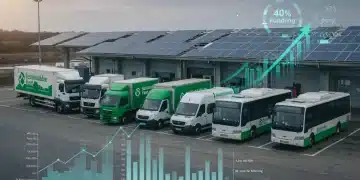
A significant portion of the funding will be directed towards upgrading and expanding public transit systems. This includes the development of new light rail lines, bus rapid transit (BRT) corridors, and improvements to existing bus networks. The aim is to make public transportation more accessible, reliable, and attractive to commuters. Projects could involve the procurement of zero-emission buses, the implementation of smart ticketing systems, and the construction of new stations and transit hubs. Modernizing public transit is crucial for reducing reliance on private vehicles, alleviating congestion, and lowering carbon emissions. The Federal Grants 2026 will enable cities to invest in cutting-edge technologies that improve efficiency and user experience, ultimately fostering a culture of public transit ridership.
Active Transportation Infrastructure
Promoting active transportation – walking and cycling – is another cornerstone of the sustainable urban mobility agenda. The grants will finance the creation and enhancement of dedicated bike lanes, pedestrian pathways, and safe street designs. This includes investments in bike-sharing programs, secure bike parking facilities, and pedestrian-friendly urban planning initiatives. By making it safer and more convenient for people to walk and cycle, cities can reduce short-distance car trips, improve public health, and create more vibrant, community-oriented spaces. The Federal Grants 2026 will empower municipalities to transform their urban environments into highly walkable and bikeable areas, integrating these modes seamlessly into the broader transportation network.
Electric Vehicle (EV) Charging Infrastructure
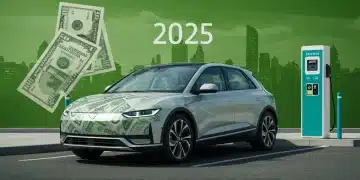
As the adoption of electric vehicles continues to accelerate, the need for robust charging infrastructure becomes paramount. These Federal Grants 2026 will support the deployment of publicly accessible EV charging stations, particularly in underserved communities and along key transportation corridors. This includes Level 2 and DC fast charging stations, as well as innovative solutions for multi-unit dwellings and workplaces. The goal is to eliminate range anxiety and make EV ownership a viable and attractive option for a wider segment of the population. By strategically investing in charging infrastructure, the grants will help accelerate the transition to an all-electric vehicle fleet, significantly reducing greenhouse gas emissions and improving air quality.
Smart Mobility Solutions and Technology Integration
Innovation is at the heart of sustainable urban mobility. The Federal Grants 2026 will also fund projects that leverage smart technologies to optimize transportation systems. This could include real-time traffic management systems, intelligent transportation systems (ITS), data analytics platforms for transit planning, and connected vehicle technologies. These solutions can improve traffic flow, enhance safety, and provide commuters with real-time information, allowing them to make more informed travel choices. The integration of technology will create more responsive and efficient transportation networks, maximizing the impact of other infrastructure investments.
Equity and Accessibility Focus
A critical component of these Federal Grants 2026 is their emphasis on equity and accessibility. Projects must demonstrate how they will benefit all segments of the population, including low-income communities, individuals with disabilities, and historically underserved areas. This could involve ensuring public transit routes serve critical community centers, making pedestrian infrastructure compliant with ADA standards, or strategically placing EV charging stations in areas where access to private charging is limited. The grants aim to create a transportation system that is fair, inclusive, and serves the needs of every resident.
Eligibility and Application Process for Federal Grants 2026
Securing these transformative Federal Grants 2026 will require a thorough understanding of the eligibility criteria and a meticulous application process. The federal government has outlined specific requirements to ensure that the funding is directed towards projects with the greatest potential for impact and sustainability.
Who is Eligible?
Eligible applicants typically include state and local governments, metropolitan planning organizations (MPOs), transit agencies, and potentially non-profit organizations in partnership with governmental entities. The grants are designed to support projects that serve urban areas, with a particular focus on metropolitan regions and their surrounding communities. Collaboration between different governmental bodies and community stakeholders will be highly encouraged, as integrated approaches often yield the most effective and sustainable outcomes. Applicants will need to demonstrate their legal and financial capacity to manage and execute large-scale infrastructure projects.
Key Application Requirements
The application process for the Federal Grants 2026 will likely be highly competitive, requiring a robust proposal that clearly articulates the project’s vision, methodology, and expected outcomes. Key requirements will include:
- Project Scope and Design: A detailed description of the proposed project, including engineering plans, timelines, and a clear articulation of how it contributes to sustainable urban mobility goals.
- Environmental Benefits: A comprehensive assessment of the project’s environmental impact, particularly its contribution to reducing greenhouse gas emissions, improving air quality, and promoting climate resilience.
- Economic Impact: An analysis of the project’s economic benefits, such as job creation, stimulation of local businesses, and long-term cost savings.
- Equity and Accessibility Plan: A detailed plan outlining how the project will address the needs of diverse communities, ensuring equitable access to transportation services.
- Community Engagement: Evidence of meaningful community engagement and support for the proposed project, demonstrating alignment with local needs and priorities.
- Financial Feasibility and Matching Funds: A detailed budget, including a breakdown of all costs and a plan for securing any required matching funds. Many federal grants require a local match, which can come from state, local, or private sources.
- Performance Metrics: Clear, measurable metrics to track the project’s progress and evaluate its success over time.
Applicants for Federal Grants 2026 will need to present a compelling case that their project is not only technically sound but also strategically aligned with federal priorities for sustainability, equity, and innovation. The emphasis will be on projects that offer replicable models and can serve as catalysts for broader regional transformation.
The Transformative Impact of Federal Grants 2026
The infusion of $1.5 billion through these Federal Grants 2026 is poised to have a profound and lasting impact on urban areas across the nation. The benefits extend far beyond mere transportation improvements, touching upon various facets of urban life and contributing to a more sustainable future.
Environmental Sustainability
One of the most significant impacts will be on environmental sustainability. By promoting electric vehicles, enhancing public transit, and encouraging active transportation, the grants will directly contribute to a substantial reduction in carbon emissions and air pollutants. Cleaner air means fewer respiratory illnesses, and a smaller carbon footprint helps combat climate change. Cities that leverage these Federal Grants 2026 will become leaders in environmental stewardship, setting an example for other municipalities.
Economic Growth and Job Creation
Infrastructure projects of this scale are powerful engines for economic growth. The construction, operation, and maintenance of new transit lines, bike paths, and EV charging stations will create thousands of jobs across various sectors. This includes jobs in engineering, construction, manufacturing, technology, and service industries. Furthermore, improved transportation options can make cities more attractive to businesses and residents, fostering economic development and increasing property values. The long-term economic benefits derived from these Federal Grants 2026 will be significant, providing a substantial return on the initial investment.
Improved Public Health and Quality of Life
Easier access to active transportation modes like walking and cycling can lead to improved public health outcomes, reducing rates of obesity, heart disease, and other chronic conditions. Less traffic congestion means less stress for commuters and more time for leisure activities. Cleaner air also directly contributes to better health. Overall, the projects funded by the Federal Grants 2026 will contribute to a higher quality of life for urban residents, creating more livable, enjoyable, and healthy communities.
Enhanced Equity and Social Inclusion
By prioritizing projects that address the needs of underserved communities, these grants will help bridge transportation gaps and promote social equity. Reliable and affordable transportation is a fundamental right, enabling access to jobs, education, healthcare, and essential services. The Federal Grants 2026 will ensure that transportation infrastructure is developed in a way that benefits everyone, reducing disparities and fostering greater inclusion within urban environments. This focus on equity will ensure that the benefits of sustainable mobility are widely shared, transforming the lives of countless individuals.
Innovation and Technological Advancement
The emphasis on smart mobility solutions and technology integration will spur innovation within the transportation sector. Cities will become living laboratories for new ideas, testing and implementing cutting-edge technologies that can then be scaled and replicated elsewhere. This push for innovation will not only improve transportation systems but also position the United States as a global leader in sustainable urban development. The Federal Grants 2026 will act as a catalyst for technological advancement, driving progress in an essential sector.
Challenges and Opportunities for Cities
While the announcement of these Federal Grants 2026 presents an enormous opportunity, cities will also face challenges in maximizing their impact. Navigating the complexities of project planning, community engagement, and fund management will be crucial for success.
Overcoming Implementation Hurdles
Large-scale infrastructure projects often encounter various hurdles, including bureaucratic delays, complex permitting processes, and potential resistance from certain community groups. Cities will need robust project management teams, effective communication strategies, and strong political will to overcome these challenges. The successful implementation of projects funded by the Federal Grants 2026 will depend on careful planning and efficient execution.
Fostering Inter-Agency Collaboration
Sustainable urban mobility requires a coordinated effort across multiple agencies and departments – transportation, planning, public works, environmental protection, and community development. Cities will need to foster strong inter-agency collaboration to ensure that projects are integrated and mutually reinforcing. Siloed approaches can lead to inefficiencies and suboptimal outcomes. The Federal Grants 2026 provide an impetus for breaking down these silos and promoting a holistic approach to urban development.
Ensuring Long-Term Sustainability and Maintenance
Beyond the initial construction phase, cities must also ensure the long-term sustainability and maintenance of new infrastructure. This requires dedicated funding streams, ongoing operational support, and a commitment to regular upkeep. Proposals for the Federal Grants 2026 should ideally include a plan for the sustained operation and maintenance of the projects, demonstrating a forward-thinking approach to managing these valuable assets. A project is only truly sustainable if it can be maintained effectively for decades to come.
Looking Ahead: The Future of Urban Mobility with Federal Grants 2026
The $1.5 billion in Federal Grants 2026 represents more than just financial aid; it symbolizes a national commitment to a greener, more equitable, and more efficient future for urban transportation. The projects funded through this initiative will lay the groundwork for cities that are not only easier to navigate but also healthier, more vibrant, and more resilient in the face of environmental changes.
As cities prepare their applications, the emphasis will be on creative, data-driven solutions that address local challenges while aligning with national sustainability goals. This is an opportunity for urban leaders to think boldly, envisioning transformative projects that will redefine how people move within their communities for generations to come. The legacy of these Federal Grants 2026 will be measured not just in miles of new bike lanes or numbers of EV chargers, but in the improved quality of life for millions of urban residents.
The coming months will be a busy period for urban planning and development departments across the country. The competition will be fierce, but the potential rewards are immense. Cities that demonstrate a clear vision, strong community support, and a commitment to innovative, equitable, and sustainable solutions will be best positioned to secure this vital funding. The impact of the Federal Grants 2026 will resonate for decades, shaping the urban landscape and setting a new standard for sustainable development.
Conclusion: A New Chapter for Sustainable Urban Mobility
The announcement of $1.5 billion in new Federal Grants 2026 for sustainable urban mobility projects marks a significant milestone in the journey towards a more sustainable and equitable future for American cities. This substantial investment will empower municipalities to implement innovative transportation solutions that reduce carbon emissions, alleviate congestion, improve public health, and enhance the overall quality of life for urban residents.
From modernizing public transit systems and expanding active transportation networks to building robust EV charging infrastructure and integrating smart mobility technologies, the scope of eligible projects is comprehensive and forward-thinking. The emphasis on equity and accessibility ensures that the benefits of these investments will reach all community members, particularly those in historically underserved areas.
While the application process will be competitive and require meticulous planning, the long-term benefits are undeniable. Cities that successfully secure these Federal Grants 2026 will not only transform their own transportation landscapes but also serve as models for sustainable urban development nationwide. This initiative represents a powerful commitment to environmental stewardship, economic growth, and social progress, setting a new course for the future of urban mobility in the United States. The time for action is now, and these grants provide the critical resources needed to turn ambitious visions into tangible realities.