New EPA Regulations 2026: Fleet Emissions Reduction Strategies for US
New EPA Regulations for 2026: How US Fleets Can Achieve 15% Emissions Reduction in 3 Months (RECENT UPDATES)
The landscape of commercial transportation in the United States is undergoing a significant transformation, driven by an urgent need for environmental stewardship and regulatory compliance. The Environmental Protection Agency (EPA) has unveiled a new set of regulations for 2026, targeting heavy-duty vehicle emissions with unprecedented stringency. For US fleets, these changes are not merely a distant concern; they represent an immediate call to action. The goal for many is not just to comply, but to proactively reduce their environmental footprint while maintaining operational efficiency and profitability. This comprehensive guide delves into the intricacies of the new EPA regulations, offering actionable strategies for US fleets to achieve a remarkable 15% emissions reduction within a mere three-month timeframe.
Understanding the implications of these new rules is paramount. Non-compliance can lead to hefty fines, reputational damage, and operational disruptions. Conversely, early adoption of sustainable practices can unlock a myriad of benefits, including reduced fuel costs, enhanced public image, and access to new market opportunities. This article will serve as your essential roadmap, outlining the key regulatory changes, detailing innovative technologies, and presenting practical steps to optimize your fleet’s environmental performance. We will explore everything from advanced telematics and driver training to alternative fuels and maintenance best practices, all geared towards helping your fleet navigate the complexities of “EPA Fleet Emissions” and emerge as a leader in sustainable transportation.
The Urgent Need for Emissions Reduction: Why 2026 is a Game Changer for EPA Fleet Emissions
The EPA’s latest regulations for 2026 represent a critical juncture for the US trucking industry. These rules, specifically targeting nitrogen oxide (NOx) and particulate matter (PM) emissions from heavy-duty vehicles, are designed to significantly improve air quality and public health. Unlike previous iterations, the 2026 standards demand a substantial leap in emissions control technology and operational practices. The EPA’s focus is on real-world driving conditions, pushing for solutions that perform effectively both on the highway and in urban environments.
For fleet managers, this translates into an immediate need to re-evaluate existing strategies and invest in future-proof solutions. The “EPA Fleet Emissions” mandate is not a suggestion; it’s a legal requirement that will impact every aspect of fleet operations, from vehicle procurement to daily route planning. The pressure to reduce emissions is further amplified by growing consumer demand for sustainable logistics and corporate social responsibility initiatives. Companies that embrace these changes proactively will not only ensure compliance but also gain a competitive edge in an increasingly environmentally conscious market.
The scientific evidence supporting these regulations is compelling. Heavy-duty vehicles are significant contributors to air pollution, particularly in urban areas. NOx and PM are linked to various respiratory and cardiovascular diseases, contributing to thousands of premature deaths annually. By tightening emission standards, the EPA aims to mitigate these health risks and create cleaner, healthier communities. This societal benefit, combined with the economic advantages of improved fuel efficiency and reduced operational costs, underscores the importance of a rapid and effective response from US fleets.
Key Components of the New EPA Regulations
To effectively address “EPA Fleet Emissions,” it’s crucial to understand the specific components of the 2026 regulations. These include:
- Stricter NOx Standards: A significant reduction in the permissible levels of nitrogen oxide emissions, requiring more advanced aftertreatment systems.
- Lower PM Limits: Further reductions in particulate matter, often necessitating more efficient diesel particulate filters (DPFs).
- Longer Warranty Periods: Extended warranty periods for emission control components, placing greater responsibility on manufacturers for durability and performance.
- New Testing Procedures: Introduction of more rigorous in-use testing and compliance requirements to ensure vehicles meet standards under various real-world operating conditions.
- Enhanced OBD Systems: More sophisticated On-Board Diagnostics (OBD) systems to monitor emission control performance and alert operators to potential issues.
These components collectively necessitate a holistic approach to emissions reduction, moving beyond simple fixes to integrated, long-term solutions. Fleets must consider the entire lifecycle of their vehicles and operations to meet these stringent new benchmarks for “EPA Fleet Emissions.”
Strategic Pillars for Achieving 15% Emissions Reduction in 3 Months
Achieving a 15% emissions reduction in a short three-month window requires a multi-faceted strategy. This isn’t about one silver bullet; it’s about implementing a combination of synergistic approaches that collectively drive down “EPA Fleet Emissions.” We categorize these strategies into three main pillars: Technology Adoption, Operational Optimization, and Driver Behavior Modification.
Pillar 1: Leveraging Advanced Technology
Technology plays a pivotal role in modern emissions control. Fleets must look beyond conventional solutions and embrace innovations that offer tangible reductions.
A. Advanced Telematics and Analytics
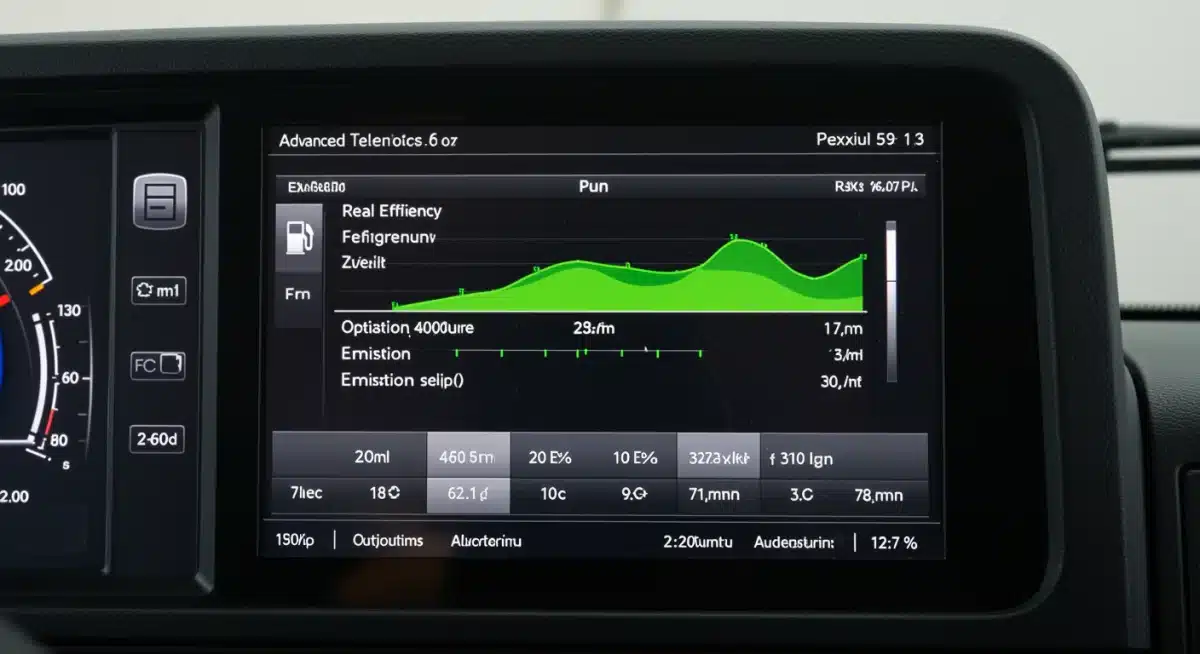
Modern telematics systems are far more than just GPS trackers. They offer a wealth of data that, when analyzed correctly, can identify inefficiencies and opportunities for emissions reduction. These systems can monitor:
- Idling Times: Excessive idling wastes fuel and generates unnecessary emissions. Telematics can pinpoint vehicles and drivers with high idling rates, allowing for targeted interventions.
- Hard Braking and Acceleration: Aggressive driving patterns consume more fuel and produce higher emissions. Telematics can identify such behaviors, paving the way for driver coaching.
- Route Optimization: Efficient routing reduces mileage, fuel consumption, and “EPA Fleet Emissions.” Telematics integrated with routing software can suggest optimal paths, avoiding traffic and unnecessary detours.
- Engine Diagnostics: Real-time engine data can alert fleet managers to potential maintenance issues that could be impacting emissions performance. Proactive maintenance prevents larger problems.
By harnessing the power of data, fleets can make informed decisions that directly contribute to emissions reduction. The ability to track, analyze, and act on this information rapidly is crucial for achieving our three-month target.
B. Exhaust Aftertreatment System Upgrades
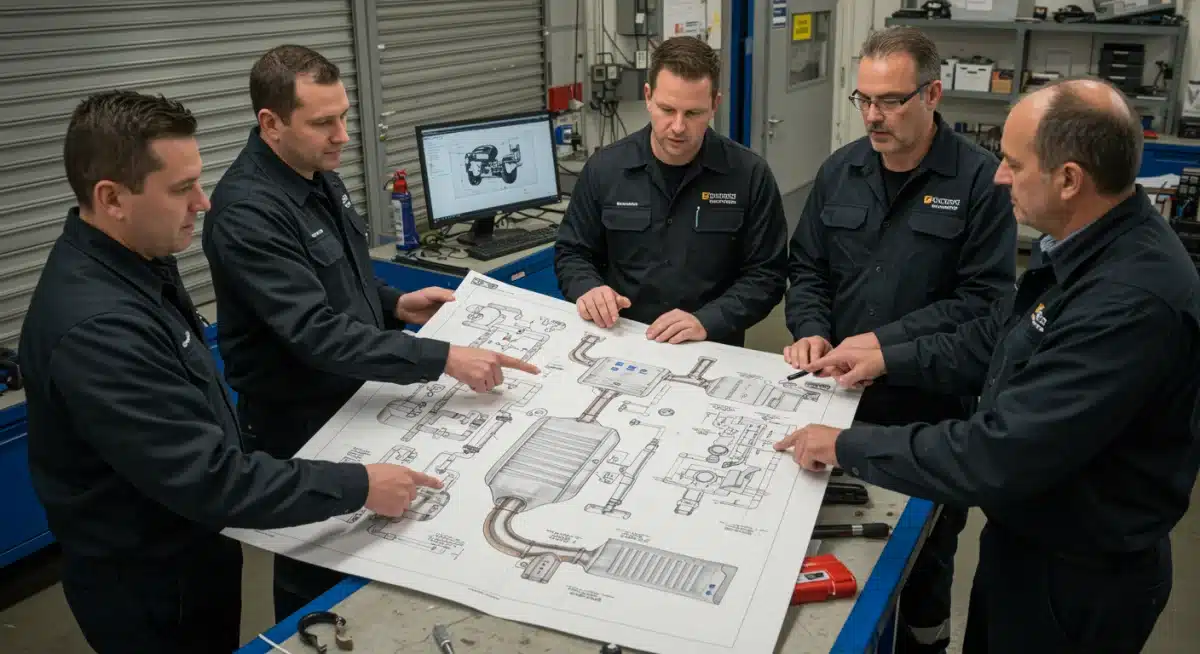
For existing vehicles, upgrading or optimizing exhaust aftertreatment systems is a direct way to reduce “EPA Fleet Emissions.”
- Diesel Particulate Filters (DPFs): Ensure DPFs are functioning optimally and are regularly cleaned or replaced according to manufacturer recommendations. Clogged DPFs can severely impact fuel efficiency and increase emissions.
- Selective Catalytic Reduction (SCR) Systems: SCR systems, which use Diesel Exhaust Fluid (DEF) to convert NOx into harmless nitrogen and water, are critical. Monitor DEF consumption and ensure proper system operation.
- Engine Reprogramming/Tuning: In some cases, engine control units (ECUs) can be reprogrammed to optimize combustion for lower emissions, often without sacrificing performance. This should always be done by certified professionals.
These upgrades, while potentially an investment, offer immediate and measurable reductions in NOx and PM, directly addressing the core of the new EPA regulations.
C. Aerodynamic Enhancements
Reducing aerodynamic drag can significantly improve fuel efficiency, especially at highway speeds, thereby lowering “EPA Fleet Emissions.”
- Trailer Skirts: These panels reduce air turbulence around the trailer wheels.
- Boat Tails/Rear Fairings: Devices attached to the rear of trailers to reduce drag.
- Gap Reducers: Components that minimize the space between the tractor and trailer.
- Low Rolling Resistance Tires: These tires are designed to reduce friction with the road, leading to better fuel economy.
While some of these might seem like minor improvements individually, their cumulative effect can be substantial, contributing to the 15% reduction goal.
Pillar 2: Operational Optimization
Beyond technology, how a fleet operates day-to-day has a massive impact on its “EPA Fleet Emissions.”
A. Route Planning and Optimization
Inefficient routes lead to longer travel times, increased fuel consumption, and higher emissions. Sophisticated route optimization software can:
- Minimize Mileage: Calculate the shortest and most efficient routes.
- Avoid Congestion: Steer vehicles away from heavy traffic areas, reducing idling and stop-and-go driving.
- Optimize Delivery Schedules: Group deliveries geographically to reduce unnecessary travel.
- Consider Topography: Plan routes that avoid steep inclines where possible, as climbing hills consumes more fuel.
Even small improvements in route efficiency can translate into significant “EPA Fleet Emissions” reductions over an entire fleet.
B. Load Optimization and Weight Management
Heavier loads require more fuel to transport. Fleets should:
- Optimize Load Distribution: Ensure loads are distributed efficiently to avoid imbalance and improve stability, which can indirectly affect fuel economy.
- Reduce Unnecessary Weight: Regularly audit vehicles for non-essential equipment or items that add weight without contributing to the operation. Every pound saved can lead to better fuel efficiency.
- Right-Sizing Vehicles: Match the vehicle size to the typical load. Using an oversized truck for a smaller load is inefficient.
These practices directly impact fuel consumption, which is intrinsically linked to “EPA Fleet Emissions.”
C. Proactive Maintenance Programs
Well-maintained vehicles are more fuel-efficient and produce fewer emissions. A robust maintenance program should include:
- Regular Engine Tune-ups: Ensure engines are running at peak efficiency.
- Tire Pressure Monitoring: Properly inflated tires reduce rolling resistance and improve fuel economy.
- Fuel System Checks: Clean fuel injectors and filters ensure optimal fuel combustion.
- Exhaust System Inspections: Regular checks of DPFs, SCRs, and other emission control components are critical for “EPA Fleet Emissions” compliance.
- Oil and Filter Changes: Using the correct grade of oil and changing filters regularly can improve engine performance and longevity.
Preventative maintenance not only reduces emissions but also extends vehicle lifespan and reduces costly breakdowns.
Pillar 3: Driver Behavior Modification
Even the most advanced technology and meticulously planned operations can be undermined by inefficient driving habits. Empowering drivers with the right knowledge and incentives is crucial.
A. Eco-Driving Training Programs
Eco-driving, or “green driving,” focuses on techniques that reduce fuel consumption and “EPA Fleet Emissions.” Training programs should cover:
- Smooth Acceleration and Braking: Avoiding aggressive starts and stops.
- Anticipatory Driving: Looking ahead to predict traffic flow and avoid unnecessary braking.
- Maintaining Consistent Speeds: Using cruise control on highways where appropriate.
- Minimizing Idling: Educating drivers on the environmental and economic costs of idling.
- Optimal Gear Shifting: For manual transmissions, shifting at the right RPMs for efficiency.
Regular refreshers and feedback based on telematics data can reinforce these habits.
B. Incentives and Performance Monitoring
To encourage adoption of eco-driving practices, fleets can implement incentive programs:
- Performance-Based Bonuses: Reward drivers who consistently demonstrate fuel-efficient and low-emission driving.
- Gamification: Create friendly competitions among drivers or teams based on “EPA Fleet Emissions” metrics.
- Regular Feedback: Provide drivers with individual performance reports, highlighting areas for improvement and recognizing achievements.
Engaging drivers as active participants in emissions reduction efforts can yield significant and sustainable results.
Alternative Fuels and Electrification: Long-Term Solutions for EPA Fleet Emissions
While the immediate focus is on achieving a 15% reduction in three months with existing infrastructure, it’s vital for US fleets to also consider long-term strategies for “EPA Fleet Emissions” that align with future regulatory trends and technological advancements. Alternative fuels and electrification are at the forefront of these discussions.
A. Natural Gas Vehicles (NGVs)
Compressed Natural Gas (CNG) and Liquefied Natural Gas (LNG) offer significant emissions benefits over traditional diesel, particularly in reducing NOx and PM. While requiring dedicated fueling infrastructure, NGVs are a proven technology for reducing “EPA Fleet Emissions” and can be a stepping stone towards zero-emission fleets.
B. Renewable Diesel and Biodiesel
These “drop-in” fuels can be used in existing diesel engines without modification and offer substantial reductions in greenhouse gas emissions and other pollutants. Renewable diesel, in particular, can reduce lifecycle carbon emissions by up to 80% compared to petroleum diesel, making it an attractive option for immediate “EPA Fleet Emissions” reductions.
C. Electric Vehicles (EVs) and Fuel Cell Electric Vehicles (FCEVs)
The ultimate goal for many is a transition to zero-emission vehicles. While the total cost of ownership and charging/refueling infrastructure are still evolving, battery electric trucks and hydrogen fuel cell trucks are becoming increasingly viable for certain applications. Investing in pilot programs and staying abreast of developments in this sector is critical for future-proofing your fleet against increasingly stringent “EPA Fleet Emissions” regulations.
Implementing Your 3-Month Emissions Reduction Plan
To successfully achieve a 15% reduction in “EPA Fleet Emissions” within three months, a structured implementation plan is essential. Here’s a suggested timeline:
Month 1: Assessment and Planning
- Baseline Measurement: Use telematics data and fuel logs to establish your current “EPA Fleet Emissions” baseline. Understand your current fuel economy, idling rates, and maintenance schedules.
- Fleet Audit: Identify vehicles that are underperforming or are prime candidates for upgrades (e.g., older models, those with high idling times).
- Technology Review: Research and select advanced telematics, aerodynamic kits, and potential exhaust system upgrades suitable for your fleet.
- Driver Training Program Development: Outline an eco-driving curriculum and identify trainers.
- Supplier Engagement: Contact suppliers for quotes on new technologies and alternative fuels.
Month 2: Implementation and Initial Rollout
- Telematics Deployment: Install or activate advanced telematics systems across your fleet.
- Aerodynamic Upgrades: Begin installing trailer skirts, boat tails, and gap reducers on applicable vehicles.
- Maintenance Overhaul: Implement a rigorous preventative maintenance schedule, focusing on tire pressure, engine tune-ups, and DPF/SCR checks.
- Driver Training Launch: Begin eco-driving training for all drivers. Provide initial feedback based on telematics data.
- Route Optimization Integration: Implement new routing software or refine existing processes.
Month 3: Optimization, Monitoring, and Refinement
- Continuous Monitoring: Intensively use telematics data to track “EPA Fleet Emissions” metrics, fuel consumption, and driver behavior.
- Feedback and Coaching: Provide continuous, personalized feedback to drivers. Implement incentive programs.
- System Adjustments: Fine-tune route optimization, adjust maintenance schedules based on real-world performance, and make any necessary adjustments to aftertreatment systems.
- Performance Review: At the end of the three months, conduct a comprehensive review against your baseline. Quantify the “EPA Fleet Emissions” reduction achieved and identify areas for further improvement.
- Prepare for 2026 Compliance: Use the lessons learned to inform your long-term strategy for meeting the full 2026 EPA regulations.
Challenges and Overcoming Them in EPA Fleet Emissions Management
While the benefits of emissions reduction are clear, implementing these changes presents several challenges. Proactive planning and strategic thinking can help overcome them.
A. Initial Investment Costs
Upgrading technology, training drivers, and investing in new equipment can incur significant upfront costs. However, these costs are often offset by long-term savings in fuel and maintenance, as well as avoided fines. Explore government grants, tax incentives, and low-interest loans available for fleets investing in green technologies. Many regions offer specific programs to support “EPA Fleet Emissions” compliance.
B. Driver Resistance to Change
Drivers may be resistant to new technologies or changes in driving habits. Effective communication, comprehensive training, and incentive programs are crucial. Emphasize the benefits to drivers – smoother rides, reduced stress, and potential bonuses. Frame it as an opportunity for skill development and professional growth.
C. Data Overload and Analysis Paralysis
Modern telematics systems generate vast amounts of data. Without proper tools and expertise, this data can be overwhelming. Invest in analytics platforms that provide clear, actionable insights. Consider hiring or training staff with data analysis skills to effectively interpret “EPA Fleet Emissions” metrics.
D. Technology Integration Complexity
Integrating new hardware and software can be complex. Choose reputable suppliers with proven track records and strong technical support. Plan for phased rollouts to minimize disruption and allow time for troubleshooting. Ensure new systems are compatible with existing fleet management tools.
The Future of US Fleets and EPA Fleet Emissions
The 2026 EPA regulations are not an endpoint but a significant milestone in the ongoing journey towards a more sustainable transportation sector. US fleets that embrace these changes will be better positioned for future success. The trend towards stricter emissions standards, electrification, and sustainable logistics is irreversible. By taking proactive steps now to manage “EPA Fleet Emissions,” businesses can:
- Ensure Compliance: Avoid penalties and legal issues.
- Improve Brand Image: Appeal to environmentally conscious customers and partners.
- Reduce Operating Costs: Save on fuel and maintenance.
- Attract and Retain Talent: Many drivers prefer working for companies with strong environmental values.
- Innovate and Lead: Position themselves as industry leaders in sustainable practices.
The challenge of achieving a 15% emissions reduction in three months is ambitious, but entirely achievable with a strategic, committed approach. By focusing on advanced technology, operational optimization, and driver behavior modification, your fleet can not only meet but exceed the expectations set by the new EPA regulations, paving the way for a cleaner, more efficient, and more profitable future.
Conclusion: Your Roadmap to Sustainable EPA Fleet Emissions Compliance
The new EPA regulations for 2026 demand immediate and decisive action from US fleets. The imperative to reduce “EPA Fleet Emissions” by 15% within three months is a significant undertaking, but one that is achievable through a concerted effort across all levels of your operation. This guide has provided a comprehensive roadmap, detailing the critical regulatory updates, outlining strategic pillars — leveraging advanced technology, optimizing operations, and modifying driver behavior — and offering a practical implementation timeline.
By investing in advanced telematics, optimizing your exhaust aftertreatment systems, and enhancing vehicle aerodynamics, you can make significant technological strides. Simultaneously, refining your route planning, optimizing load management, and adhering to rigorous maintenance schedules will ensure operational efficiency. Crucially, empowering your drivers with eco-driving training and incentive programs will foster a culture of sustainability, turning your biggest asset into a key player in emissions reduction.
Looking beyond the immediate three-month goal, exploring alternative fuels and considering the long-term transition to electric or fuel cell vehicles will ensure your fleet remains future-proof and competitive. While challenges such as initial investment and managing change exist, the long-term benefits of compliance, cost savings, enhanced brand reputation, and environmental stewardship far outweigh them.
The journey towards a greener, more compliant fleet starts now. Embrace these changes not as burdens, but as opportunities to innovate, lead, and contribute to a healthier planet. Your proactive approach to managing “EPA Fleet Emissions” will not only secure your fleet’s future but also set a new standard for responsible transportation in the United States.