EPA Emissions Standards: 5 Steps for Fleet Compliance by 2025
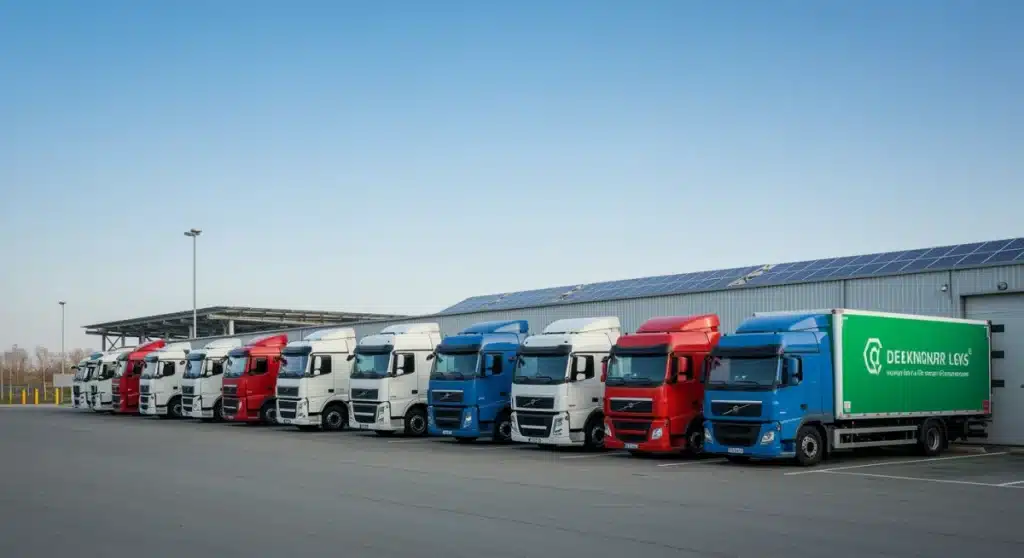
To effectively navigate the new EPA emissions standards, fleets must implement strategic changes now, focusing on technology adoption, operational adjustments, and proactive planning to achieve full compliance by the January 2025 deadline.
As the January 2025 deadline rapidly approaches, understanding and preparing for the new EPA Emissions Standards is critical for all fleet operators. These updated regulations represent a significant shift towards cleaner air and more sustainable transportation, impacting everything from vehicle procurement to daily operational strategies. For fleets across the United States, proactive planning and strategic investment are no longer optional but essential for continued operation and long-term success.
Understanding the New EPA Emissions Standards
The Environmental Protection Agency (EPA) has rolled out stringent new emissions standards designed to significantly reduce harmful pollutants from heavy-duty vehicles. These regulations aim to improve air quality, particularly in urban areas, and mitigate the health impacts associated with vehicle emissions. For fleet managers, grasping the specifics of these standards is the foundational step toward achieving compliance.
These new rules target various pollutants, including nitrogen oxides (NOx) and particulate matter (PM), setting aggressive reduction targets that necessitate advanced engine technologies and alternative fuel adoption. The scope extends beyond just new vehicles, influencing maintenance practices and the lifespan of existing fleet assets.
Key Components of the Regulations
The EPA’s new standards are comprehensive, touching upon several critical aspects of heavy-duty vehicle operation and manufacturing. Understanding these components is crucial for developing an effective compliance strategy.
- Stricter NOx Limits: The regulations impose significantly lower limits on nitrogen oxide emissions, requiring manufacturers to develop more efficient aftertreatment systems.
- Extended Emissions Warranty: Manufacturers are now required to provide longer warranties on emission control components, ensuring their durability and performance over time.
- Enhanced Testing Procedures: New testing protocols, including in-use emissions testing, are designed to ensure vehicles meet standards not just in laboratory settings but also under real-world operating conditions.
- Idle Reduction Requirements: Specific provisions encourage or mandate technologies and practices that reduce engine idling, thereby cutting down on unnecessary emissions and fuel consumption.
These components collectively push the industry towards more sustainable practices, demanding innovation from manufacturers and adaptability from fleet operators. Ignoring these changes could lead to substantial penalties and operational disruptions.
In essence, the new EPA emissions standards represent a pivotal moment for the transportation sector. They underscore a commitment to environmental protection while challenging fleets to evolve their operational models. A thorough understanding of these regulations is the first and most vital step in preparing for the January 2025 deadline.
Step 1: Conduct a Comprehensive Fleet Assessment
Before any significant changes can be implemented, fleets must undertake a detailed assessment of their current vehicle inventory and operational practices. This initial step provides a clear picture of where the fleet stands in relation to the new EPA standards and identifies potential areas for improvement.
A comprehensive assessment goes beyond merely counting vehicles; it involves analyzing emission levels, fuel types, vehicle age, and current maintenance schedules. This data will serve as the baseline for developing a targeted compliance strategy.
Evaluating Current Vehicle Performance
Understanding the emission profiles of your existing vehicles is paramount. This involves reviewing manufacturer specifications, maintenance records, and potentially conducting emissions testing on older models. Identifying which vehicles are most at risk of non-compliance allows for prioritized action.
- Review Vehicle Specifications: Check the emissions certifications for each vehicle in your fleet, paying close attention to model year and engine type.
- Analyze Maintenance Records: Ensure all emission control systems (e.g., DPFs, SCR systems) are regularly maintained and functioning optimally. Poor maintenance can lead to increased emissions.
- Consider Telematics Data: Utilize data from telematics systems to monitor fuel efficiency, idling times, and engine performance, which can indirectly indicate emission levels.
This evaluation helps pinpoint vehicles that might require upgrades, replacements, or more intensive maintenance to meet the upcoming standards. It also highlights opportunities for early adoption of cleaner technologies.
Beyond individual vehicles, the assessment should also encompass operational strategies. Route optimization, driver behavior, and load management all play a role in overall fleet emissions. By scrutinizing these elements, fleets can uncover efficiencies that contribute to both compliance and cost savings.
Ultimately, a thorough fleet assessment provides the necessary intelligence to make informed decisions. It lays the groundwork for strategic investments and operational adjustments, ensuring that compliance efforts are both effective and economically sound.
Step 2: Invest in Cleaner Vehicle Technologies
With a clear understanding of current fleet status, the next crucial step is to strategically invest in cleaner vehicle technologies. This involves considering a range of options, from upgrading existing vehicles to acquiring new, low-emission models. The January 2025 deadline makes this a pressing concern for fleet managers.
The market offers various solutions designed to meet or exceed the new EPA standards, including advanced diesel engines, natural gas vehicles, and a growing array of electric and hybrid options. Choosing the right technology depends on specific operational needs, route characteristics, and budget constraints.
Exploring Advanced Engine Systems and Alternative Fuels
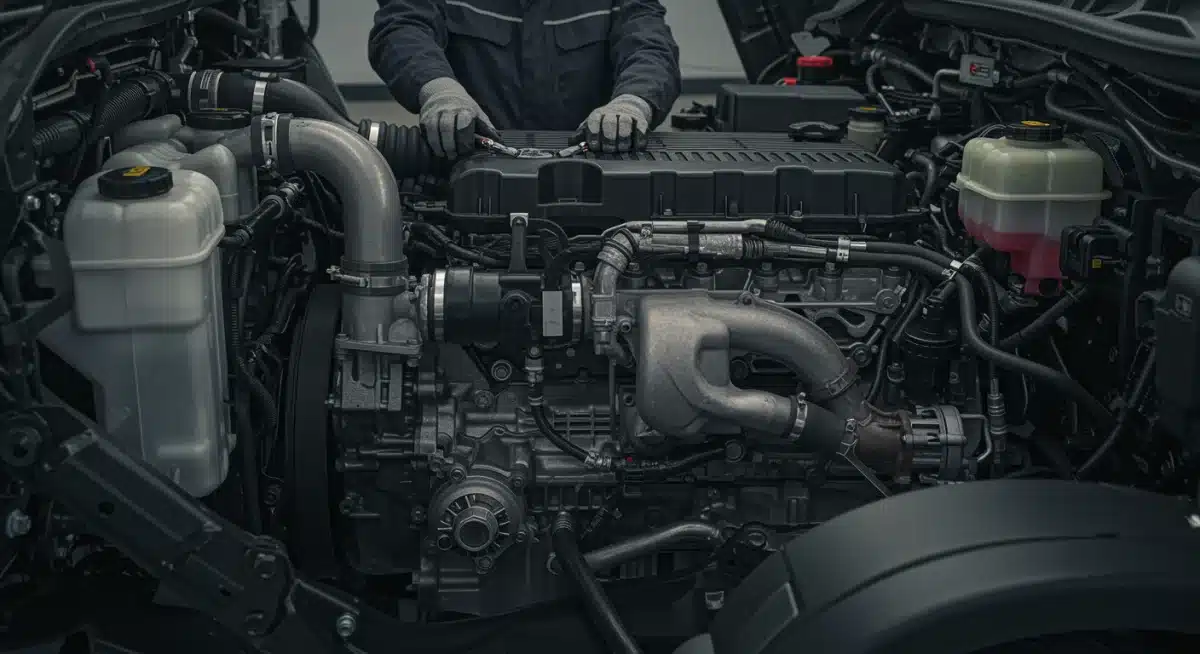
Modern diesel engines equipped with advanced aftertreatment systems (such as Selective Catalytic Reduction – SCR, and Diesel Particulate Filters – DPF) are significantly cleaner than their predecessors. These technologies are often the most straightforward upgrade path for fleets relying heavily on diesel.
- Advanced Diesel Technology: Focus on vehicles with the latest generation of emission control systems that meet current and future NOx and PM targets.
- Natural Gas Vehicles (NGVs): Compressed Natural Gas (CNG) and Liquefied Natural Gas (LNG) vehicles offer substantial emission reductions, especially in urban environments. Infrastructure availability is a key consideration.
- Electric Vehicles (EVs): While the initial investment can be higher, electric trucks and vans produce zero tailpipe emissions, aligning perfectly with long-term sustainability goals. Consider range, charging infrastructure, and duty cycles.
Beyond new vehicle acquisitions, fleets can also explore retrofitting options for eligible older vehicles. While not always as effective as new technologies, retrofits can extend the life of existing assets while improving their environmental performance, offering a bridge to full compliance.
The decision to invest in cleaner technologies should be a data-driven one, weighing the upfront costs against long-term operational savings, potential incentives, and, most importantly, compliance requirements. Early adoption can also provide a competitive advantage, positioning the fleet as a leader in sustainable transportation.
Ultimately, investing in advanced and alternative fuel vehicles is not just about meeting regulatory requirements; it’s about future-proofing your fleet, reducing fuel costs, and enhancing your company’s environmental stewardship.
Step 3: Optimize Fleet Operations and Maintenance
Achieving compliance with the new EPA emissions standards extends beyond vehicle technology; it also heavily relies on optimizing daily fleet operations and implementing robust maintenance programs. Even the cleanest vehicles can become high emitters if not operated and maintained correctly. This step focuses on maximizing efficiency and minimizing environmental impact through smart management practices.
Operational optimization involves reviewing routes, driver behavior, and idling policies to reduce fuel consumption and emissions. Effective maintenance, on the other hand, ensures that emission control systems function as intended throughout the vehicle’s lifespan.
Implementing Best Practices for Emissions Reduction
Fleets can significantly reduce their environmental footprint by adopting operational strategies that prioritize efficiency. These strategies not only aid in compliance but also lead to substantial cost savings.
- Route Optimization: Utilize advanced logistics software to plan the most efficient routes, reducing mileage, fuel consumption, and travel time.
- Driver Training: Educate drivers on eco-driving techniques, such as smooth acceleration, anticipating traffic, and minimizing harsh braking, all of which reduce emissions.
- Idle Reduction Policies: Implement strict policies to minimize engine idling, leveraging automatic engine shut-off systems or driver incentives.
Beyond operational adjustments, a proactive and comprehensive maintenance schedule is non-negotiable. Emission control components are complex and require regular inspection and servicing to prevent malfunctions that could lead to non-compliance and costly repairs.
For instance, Diesel Particulate Filters (DPFs) need periodic cleaning or replacement, and Selective Catalytic Reduction (SCR) systems require proper Diesel Exhaust Fluid (DEF) levels and functioning injectors. Neglecting these systems can result in increased emissions, reduced fuel efficiency, and eventually, vehicle downtime.
By integrating these operational and maintenance best practices, fleets can ensure that their vehicles consistently meet EPA standards. This holistic approach not only addresses regulatory demands but also fosters a culture of efficiency and environmental responsibility within the organization.
Step 4: Leverage Data and Telematics for Monitoring
In the era of advanced technology, data and telematics systems have become indispensable tools for fleet managers aiming to achieve and maintain EPA compliance. These systems provide real-time insights into vehicle performance, emissions, and driver behavior, enabling proactive management and informed decision-making.
Leveraging telematics effectively allows fleets to continuously monitor their environmental footprint, identify potential issues before they escalate, and demonstrate compliance with regulatory bodies. The January 2025 deadline emphasizes the need for robust monitoring capabilities.
Utilizing Telematics for Real-time Emissions Tracking
Modern telematics platforms offer a wealth of data that can be directly applied to emissions management. From fuel consumption rates to engine diagnostic codes, these systems provide a comprehensive view of how vehicles are performing on the road.
- Fuel Efficiency Monitoring: Track fuel consumption patterns across the fleet to identify inefficient vehicles or driving habits that contribute to higher emissions.
- Engine Diagnostic Alerts: Receive immediate notifications for engine faults or emission control system malfunctions, allowing for timely repairs.
- GPS Tracking and Route Analysis: Analyze routes for inefficiencies, such as excessive mileage or prolonged idling in congested areas, which impact emissions.
- Driver Performance Metrics: Monitor driving behaviors like speeding, harsh braking, and aggressive acceleration, which can significantly increase fuel use and emissions.
The data collected through telematics can be invaluable for reporting purposes, providing concrete evidence of a fleet’s commitment to reducing emissions. This transparency can be crucial during compliance audits and for demonstrating environmental stewardship to stakeholders.
Furthermore, telematics data can inform future investment decisions. By understanding which vehicle types or operational practices yield the best emission reductions, fleets can make more strategic choices when acquiring new vehicles or implementing new policies.
In conclusion, integrating data and telematics into fleet management is a powerful step towards meeting the new EPA standards. It transforms emissions management from a reactive task into a proactive, data-driven process, ensuring sustained compliance and operational excellence.
Step 5: Stay Informed and Adapt to Evolving Regulations
The regulatory landscape for emissions is constantly evolving, and the January 2025 deadline is just one milestone in an ongoing journey towards cleaner transportation. For fleets, staying informed about new developments and being prepared to adapt are crucial for long-term compliance and sustainability.
The EPA, along with state and local agencies, frequently updates regulations, introduces new incentives, and publishes guidance documents. Proactive engagement with these updates ensures that fleets remain ahead of the curve, avoiding potential penalties and leveraging available support.
Continuous Learning and Strategic Adaptation
Fleet managers should establish reliable channels for receiving regulatory updates and actively participate in industry discussions. This helps in understanding not just the letter of the law, but also its spirit and future direction.
- Subscribe to EPA and State Environmental Newsletters: Direct communication from regulatory bodies is the most accurate source of information.
- Engage with Industry Associations: Organizations like the American Trucking Associations (ATA) provide valuable insights, advocacy, and resources regarding new regulations.
- Attend Webinars and Workshops: Participate in educational opportunities that delve into the specifics of new emissions technologies and compliance strategies.
- Consult with Experts: Work with environmental consultants or legal advisors specializing in transportation regulations to ensure comprehensive understanding and adherence.
Beyond simply monitoring changes, fleets must also cultivate a culture of adaptability. This means being open to adopting new technologies, adjusting operational models, and re-evaluating investment strategies as new information becomes available.
For example, while electric vehicles are a key focus now, future innovations in hydrogen fuel cells or other propulsion systems could emerge as viable alternatives. A flexible strategic plan allows fleets to incorporate these advancements seamlessly.
By committing to continuous learning and strategic adaptation, fleets can not only meet the immediate demands of the January 2025 EPA emissions standards but also position themselves as leaders in the sustainable transportation movement, ready for whatever the future holds.
| Key Step | Brief Description |
|---|---|
| Fleet Assessment | Evaluate current vehicles and operations against new EPA standards to identify compliance gaps. |
| Cleaner Technology Investment | Acquire or upgrade to low-emission vehicles, including advanced diesel, natural gas, or electric options. |
| Operational Optimization | Implement efficient routes, driver training, and strict maintenance to reduce fuel consumption and emissions. |
| Data & Telematics | Utilize real-time data for monitoring emissions, identifying issues, and ensuring continuous compliance. |
Frequently Asked Questions About EPA Emissions Standards
The new EPA standards primarily target significant reductions in nitrogen oxides (NOx) and particulate matter (PM) from heavy-duty vehicles. These pollutants contribute to smog, acid rain, and various respiratory illnesses, making their reduction crucial for public health and environmental quality.
Existing fleets will need to assess their current vehicles for compliance, potentially requiring upgrades to emission control systems, more stringent maintenance, or the accelerated replacement of older, non-compliant vehicles. Operational adjustments like route optimization and idle reduction will also become more critical.
Yes, various federal, state, and local programs offer financial incentives for fleets adopting cleaner technologies. These can include tax credits, grants for purchasing electric or alternative fuel vehicles, and subsidies for upgrading emission control equipment. Researching available programs is highly recommended.
Telematics systems provide real-time data on fuel consumption, engine performance, and diagnostic codes, which are vital for monitoring emissions. They help identify inefficiencies, track compliance, and provide data for reporting, enabling proactive management of a fleet’s environmental footprint.
Non-compliance can result in significant financial penalties, including fines for each violation. Furthermore, it could lead to operational restrictions, reputational damage, and increased scrutiny from regulatory bodies, impacting a fleet’s ability to operate effectively and profitably.
Conclusion
The January 2025 deadline for new EPA emissions standards marks a pivotal moment for the fleet industry in the United States. Navigating these changes successfully requires a proactive, multi-faceted approach. By conducting thorough fleet assessments, strategically investing in cleaner vehicle technologies, optimizing operations and maintenance, leveraging data from telematics, and staying diligently informed about evolving regulations, fleets can not only achieve compliance but also position themselves for a more sustainable and efficient future. Embracing these steps now is not merely about avoiding penalties, but about contributing to a healthier environment and securing a competitive edge in a rapidly changing transportation landscape.