Electric Vehicle Battery Recycling: A Comprehensive Guide
Electric vehicle battery recycling is crucial for sustainable transportation, offering responsible disposal methods and resource recovery to minimize environmental impact and support a circular economy.
As electric vehicles (EVs) gain popularity, the question of what happens to their batteries at the end of their lifespan becomes increasingly important. Electric vehicle battery recycling addresses this concern, offering solutions for responsible disposal and resource recovery, essential for a sustainable future.
Why Electric Vehicle Battery Recycling Matters
Electric vehicle (EV) battery recycling is essential for environmental sustainability and resource conservation. The increasing adoption of EVs necessitates responsible management of end-of-life batteries to mitigate environmental impacts and recover valuable materials.
Recycling EV batteries helps reduce the demand for raw materials, minimizes pollution, and supports a circular economy. Proper recycling processes ensure that hazardous materials are handled safely and that valuable components are reused, contributing to a more sustainable future.
Environmental Benefits of Recycling
Recycling EV batteries offers significant environmental advantages. It reduces the need for mining new materials, which can have detrimental impacts on ecosystems and communities. Additionally, it lowers the carbon footprint associated with manufacturing new batteries.
Resource Conservation
EV batteries contain valuable materials such as lithium, cobalt, nickel, and manganese. Recycling these batteries allows for the recovery and reuse of these materials, conserving natural resources and reducing the reliance on environmentally damaging mining practices.
- Reduces the need for resource extraction.
- Conserves valuable and finite materials.
- Minimizes environmental pollution.
Recycling also reduces the energy consumption associated with producing new materials. The energy required to recycle existing materials is often significantly less than the energy needed to extract and process virgin resources.
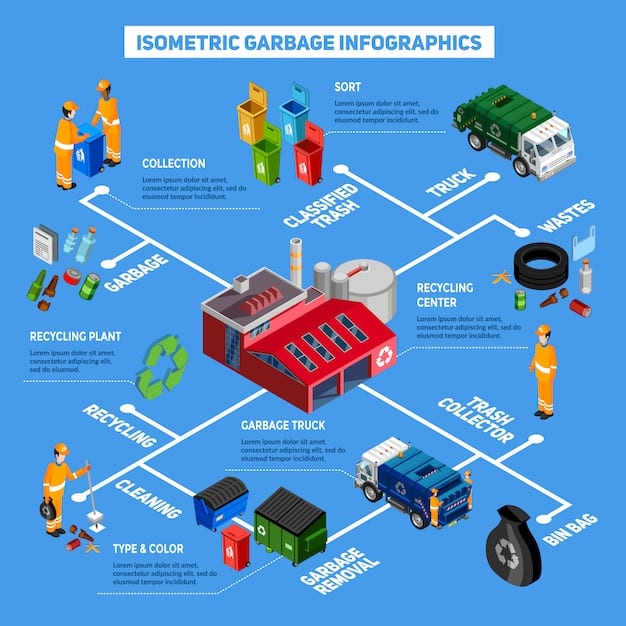
Electric vehicle battery recycling plays a pivotal role in fostering a sustainable and circular economy. By addressing the environmental concerns associated with battery disposal and promoting material recovery, recycling contributes to a more sustainable future for the automotive industry and beyond.
Current State of EV Battery Recycling Technology
The technologies used in electric vehicle (EV) battery recycling are rapidly evolving to improve efficiency and reduce environmental impact. These methods aim to recover valuable materials and manage hazardous substances effectively.
Current recycling technologies include pyrometallurgy, hydrometallurgy, and direct recycling. Each method has its advantages and disadvantages, depending on the battery chemistry and the desired level of material recovery.
Pyrometallurgy
Pyrometallurgy involves high-temperature smelting processes to recover metals from EV batteries. This method is capable of processing a wide range of battery chemistries and can handle batteries with minimal pre-processing.
Hydrometallurgy
Hydrometallurgy uses chemical leaching to extract valuable materials from EV batteries. This method typically involves shredding the batteries and then dissolving the materials in chemical solutions to separate and recover the desired metals.
- Effective for recovering high-purity materials.
- Can be energy-intensive and generate chemical waste.
- Requires careful management of hazardous substances.
Direct recycling, also known as “battery-to-battery” recycling, aims to recover battery materials without altering their chemical composition. This method can preserve the performance characteristics of the original materials, making them suitable for reuse in new batteries.
Advancements in EV battery recycling technologies are focused on increasing material recovery rates, reducing energy consumption, and minimizing waste generation. These innovations are essential for making battery recycling more economically viable and environmentally sustainable.

Challenges in Electric Vehicle Battery Recycling
Electric vehicle (EV) battery recycling faces several challenges that need to be addressed to improve its efficiency and scalability. These challenges include technological limitations, economic viability, and regulatory frameworks.
One of the primary challenges is the variety of battery chemistries used in EVs. Different battery types require different recycling processes, making it difficult to establish standardized and cost-effective recycling facilities.
Technological Hurdles
Existing recycling technologies have limitations in terms of material recovery rates and energy consumption. Improving these technologies to maximize resource recovery and minimize environmental impact is crucial.
Economic Viability
The economic viability of EV battery recycling depends on factors such as the cost of collection, transportation, and processing, as well as the market value of recovered materials. Making recycling economically attractive is essential for its widespread adoption.
- High initial investment for recycling facilities.
- Fluctuating market prices for recovered materials.
- Need for optimized collection and transportation logistics.
Another challenge is the lack of standardized regulations and policies for EV battery recycling. Clear and consistent guidelines are needed to ensure responsible disposal and promote the development of a robust recycling industry.
Overcoming these challenges requires collaboration between researchers, industry stakeholders, and policymakers to develop innovative technologies, establish sustainable business models, and create supportive regulatory frameworks. Addressing these issues will unlock the full potential of EV battery recycling.
How to Responsibly Dispose of Your EV Battery
Responsible disposal of electric vehicle (EV) batteries is crucial for protecting the environment and ensuring the safe handling of hazardous materials. Proper disposal methods help prevent pollution and promote resource recovery.
The first step in responsible disposal is to understand the regulations and guidelines in your local area. Many regions have specific requirements for handling and recycling EV batteries to ensure compliance with environmental standards.
Locate Certified Recycling Facilities
Look for certified recycling facilities that specialize in EV battery recycling. These facilities have the expertise and equipment to safely dismantle and process batteries, recovering valuable materials and managing hazardous components.
Follow Manufacturer Guidelines
Follow the manufacturer’s guidelines for battery disposal. Many EV manufacturers have take-back programs or partnerships with recycling facilities to ensure that batteries are handled responsibly.
- Contact the EV manufacturer for recycling options.
- Ensure proper packaging and transportation of batteries.
- Avoid storing batteries for extended periods to prevent safety risks.
If you are unable to find a local recycling facility or manufacturer take-back program, contact your local waste management authority for guidance. They can provide information on approved disposal methods and collection points in your area.
By following these steps, you can ensure that your EV battery is disposed of responsibly, minimizing its environmental impact and contributing to a more sustainable future.
The Role of Government and Regulations in EV Battery Recycling
Government policies and regulations play a critical role in promoting electric vehicle (EV) battery recycling and ensuring responsible disposal practices. These measures help create a framework that supports a sustainable and circular economy.
Regulations can mandate the collection and recycling of EV batteries, set standards for recycling processes, and provide incentives for companies to invest in recycling technologies. These policies help address the environmental and economic challenges associated with battery disposal.
Extended Producer Responsibility (EPR)
Extended Producer Responsibility (EPR) schemes hold manufacturers accountable for the end-of-life management of their products. In the context of EV batteries, EPR can require manufacturers to finance and organize the collection, recycling, and disposal of batteries.
Recycling Targets and Standards
Governments can set recycling targets and standards to ensure that a certain percentage of EV batteries are recycled and that recycling processes meet specific environmental criteria. These targets help drive innovation and investment in recycling technologies.
- Establish clear definitions for battery recycling.
- Provide incentives for achieving recycling targets.
- Enforce compliance with recycling standards.
Incentives such as tax breaks, subsidies, and grants can encourage companies to invest in EV battery recycling infrastructure and technologies. These financial incentives help make recycling more economically viable and attractive.
Effective government policies and regulations are essential for creating a level playing field, promoting responsible disposal practices, and fostering a sustainable EV battery recycling industry. Collaboration between governments, industry stakeholders, and researchers is crucial for developing and implementing these policies.
Future Trends in Electric Vehicle Battery Recycling
The future of electric vehicle (EV) battery recycling is expected to be shaped by several key trends, including technological advancements, increasing recycling capacity, and evolving regulatory landscapes. These developments will enhance the efficiency and sustainability of battery recycling processes.
Technological innovations will drive improvements in material recovery rates, energy consumption, and waste management. New recycling methods, such as direct recycling and advanced hydrometallurgical processes, will play a significant role in maximizing resource recovery.
Advancements in Recycling Technologies
Research and development efforts are focused on developing more efficient and environmentally friendly recycling technologies. These advancements will enable the recovery of a wider range of materials and reduce the environmental impact of recycling processes.
Increase in Recycling Capacity
As the number of EVs on the road continues to grow, there will be a corresponding increase in demand for battery recycling capacity. Investments in new recycling facilities and the expansion of existing facilities will be necessary to meet this demand.
- Development of large-scale recycling facilities.
- Improved collection and transportation networks.
- Increased collaboration between industry stakeholders.
The regulatory landscape for EV battery recycling is expected to evolve, with governments implementing stricter regulations and providing greater incentives for recycling. These policy changes will help promote responsible disposal practices and foster a sustainable recycling industry.
These future trends will collectively contribute to a more sustainable and circular economy for EV batteries. By embracing innovation, expanding recycling capacity, and implementing supportive policies, we can ensure that EV batteries are managed responsibly and that valuable resources are recovered for reuse.
| Key Point | Brief Description |
|---|---|
| ♻️ Environmental benefits | Reduces mining, pollution, and carbon footprint. |
| 💰 Economic viability | Recovers valuable materials like lithium and cobalt. |
| 🛡️ Responsible disposal | Prevents hazardous materials from contaminating the environment. |
| 🏛️ Government role | Policies and regulations promote and ensure responsible recycling. |
FAQ
▼
EV battery recycling is important to reduce the environmental impact of EVs by recovering valuable materials, reducing waste, and preventing hazardous materials from entering the environment.
▼
Valuable materials such as lithium, cobalt, nickel, and manganese can be recovered from EV batteries through recycling, which can then be used in new batteries or other applications.
▼
EV batteries are recycled using methods such as pyrometallurgy, hydrometallurgy, and direct recycling, each with its advantages and limitations depending on the battery chemistry.
▼
Challenges include the variety of battery chemistries, technological limitations, economic viability, and the need for standardized regulations to ensure efficient and sustainable recycling.
▼
Governments play a crucial role through policies and regulations that mandate recycling, set standards, and provide incentives to companies to invest in recycling technologies, fostering a sustainable industry.
Conclusion
Electric vehicle battery recycling is crucial for a sustainable future, offering significant environmental and economic benefits. By addressing the challenges and embracing advancements in recycling technologies, we can ensure the responsible disposal and resource recovery of EV batteries, contributing to a circular economy and a cleaner environment.