New Tax Incentives: Boosting Electric Truck Fleets to 20% by 2030
New Tax Incentives: Boosting Electric Truck Fleets to 20% by 2030
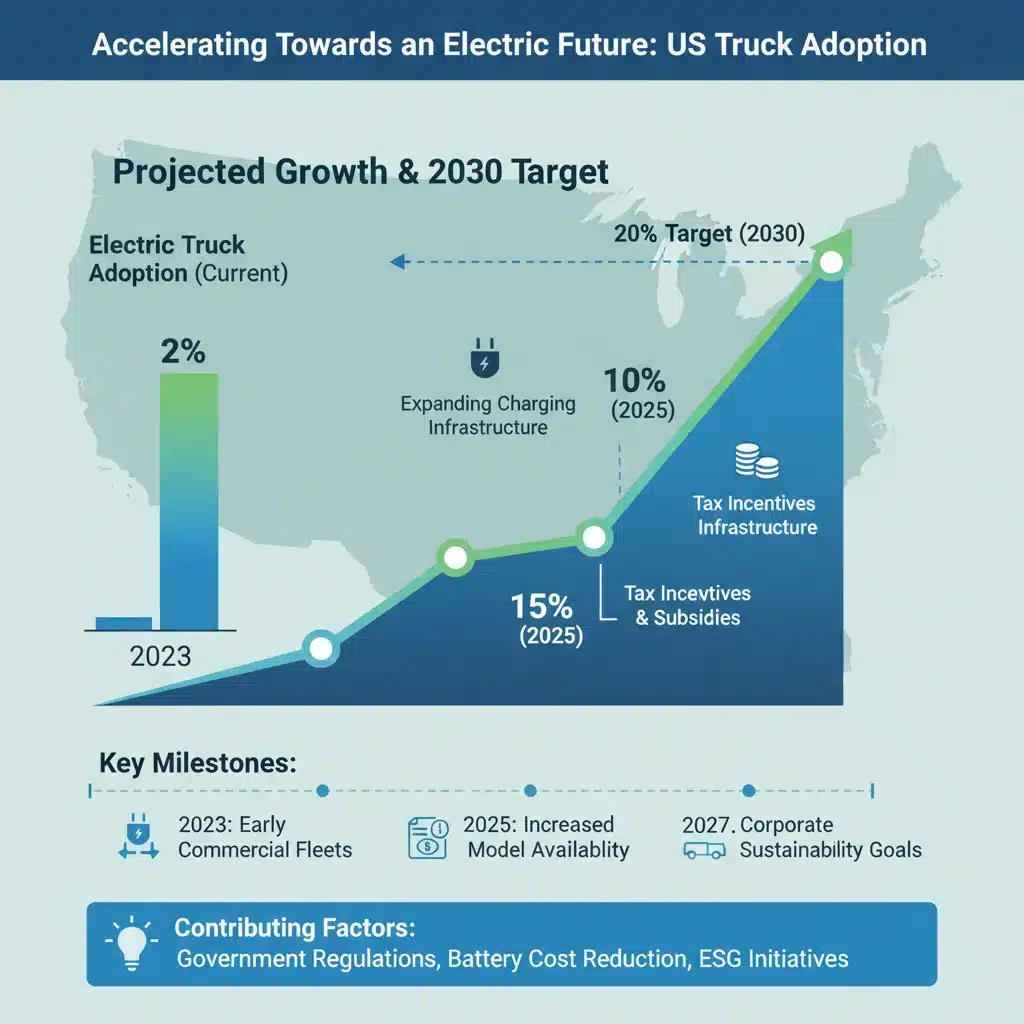
The landscape of commercial transportation is on the cusp of a transformative shift, driven by a confluence of environmental imperatives, technological advancements, and now, significant legislative support. A Congressional Committee has recently unveiled a groundbreaking proposal: a suite of new tax incentives specifically designed to accelerate the adoption of electric truck fleets across the United States. This ambitious initiative sets a clear target: achieving a 20% adoption rate for electric trucks by the year 2030. This move is not merely a nudge towards greener transport; it’s a powerful push, signaling a serious commitment at the highest levels to decarbonize the freight sector and foster sustainable economic growth.
The implications of such a policy are vast, touching every aspect of the logistics and transportation industry, from small independent operators to large national corporations. For years, the high upfront cost and perceived operational complexities have been significant barriers to the widespread electrification of commercial fleets. These new electric truck incentives aim to dismantle those barriers, making the transition not just environmentally responsible, but also economically viable and strategically advantageous for businesses. This article delves deep into the specifics of these proposed incentives, explores the challenges and opportunities they present, and examines the potential ripple effects on the American economy and environment.
The Rationale Behind the 20% by 2030 Target
The decision to target a 20% electric truck adoption rate by 2030 is rooted in a comprehensive analysis of both environmental urgency and economic opportunity. The transportation sector remains one of the largest contributors to greenhouse gas emissions and air pollution. Heavy-duty trucks, in particular, account for a disproportionate share of these emissions, impacting air quality in urban areas and contributing to climate change. Moving towards electric truck fleets is a critical step in mitigating these environmental harms, leading to cleaner air, reduced carbon footprints, and improved public health outcomes.
Beyond environmental benefits, there’s a strong economic case for electrification. While the initial investment in electric trucks can be higher, their operational costs are significantly lower due to cheaper electricity compared to diesel and reduced maintenance requirements. The Congressional Committee’s proposal recognizes that these long-term savings, combined with strategic electric truck incentives, can create a powerful economic engine. It’s about fostering a new industry, creating green jobs, and positioning the U.S. as a leader in sustainable logistics. The 2030 target is ambitious but achievable, reflecting a calculated balance between aspiration and practicality, designed to spur innovation and investment without overwhelming the existing infrastructure.
Key Components of the Proposed Electric Truck Incentives
While the full details of the legislative package are still being ironed out, preliminary reports suggest a multi-faceted approach to electric truck incentives. These are designed to address various pain points for fleet operators considering the switch to electric vehicles (EVs). Understanding these components is crucial for businesses looking to capitalize on this opportunity.
Direct Purchase Tax Credits for Electric Trucks
One of the most impactful incentives is expected to be direct tax credits for the purchase of new electric trucks. These credits could significantly offset the higher upfront cost of electric models compared to their diesel counterparts. The size of these credits will likely vary based on the vehicle class (e.g., light-duty, medium-duty, heavy-duty) and battery capacity. For instance, a heavy-duty electric semi-truck could qualify for a substantial credit, making its total cost of ownership (TCO) more competitive from day one. This direct financial relief is often the primary driver for early adoption.
Infrastructure Development Grants and Tax Deductions
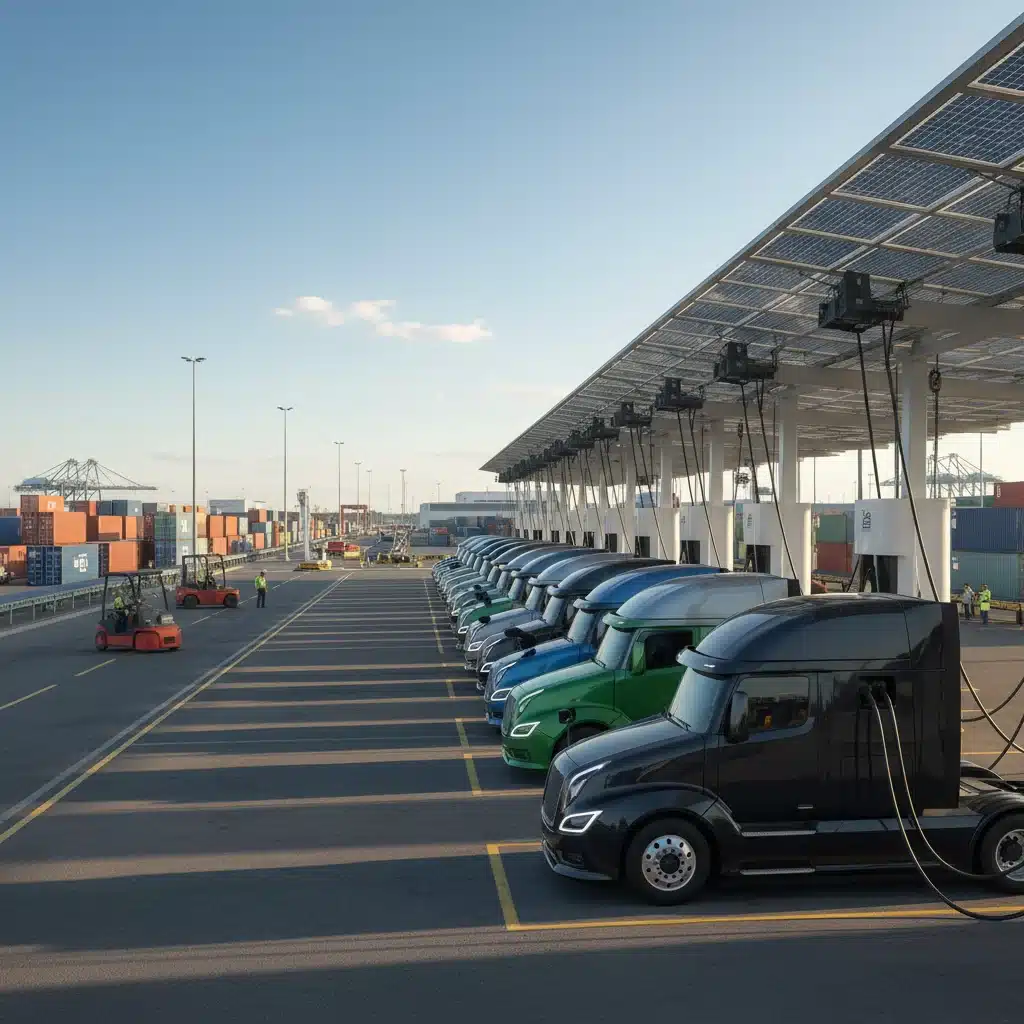
The transition to electric truck fleets isn’t just about the vehicles; it’s also about the charging infrastructure. The proposed incentives are expected to include grants and accelerated tax deductions for businesses investing in charging stations. This could cover the costs associated with purchasing and installing Level 2 chargers, DC fast chargers, and even the necessary grid upgrades to support large-scale charging depots. Without robust and accessible charging infrastructure, the widespread adoption of electric trucks would be severely hampered. These incentives aim to build the backbone of an electrified logistics network, ensuring that fleet operators have the necessary support to power their new vehicles.
Research and Development (R&D) Tax Credits
To further innovation within the electric truck sector, the proposal may also include enhanced R&D tax credits. These credits would encourage manufacturers to develop more efficient batteries, faster charging technologies, and more robust electric truck models. This not only benefits the industry by fostering technological advancement but also provides fleet operators with better, more affordable options in the long run. Investing in R&D ensures that the U.S. remains at the forefront of electric vehicle technology, creating a virtuous cycle of innovation and adoption.
Fleet Conversion Assistance Programs
Recognizing that transitioning an entire fleet is a complex undertaking, the committee is also considering programs to provide technical assistance and financial aid for fleet conversion. This could include funding for feasibility studies, workforce training for mechanics and drivers, and assistance with route optimization for electric vehicles. Such programs would help bridge the knowledge gap and operational challenges that often deter businesses from making the switch, making the process smoother and more efficient.
The Economic Impact: A Win-Win Scenario
The implementation of these electric truck incentives is poised to generate significant economic benefits across multiple sectors. Firstly, it will stimulate demand for electric trucks, boosting manufacturing jobs in the automotive industry and related supply chains. As production scales up, the cost of electric trucks is expected to decrease further, making them even more accessible.
Secondly, the focus on charging infrastructure will create jobs in construction, electrical engineering, and energy management. The need for smart grid solutions and renewable energy integration to power these charging stations will also drive investment in the clean energy sector. This creates a powerful synergy between transportation and energy, accelerating the transition to a sustainable economy.
Furthermore, businesses that adopt electric truck fleets stand to benefit from reduced operational costs. The lower fuel expenses (electricity vs. diesel) and decreased maintenance requirements translate into higher profit margins and increased competitiveness. This can free up capital for other investments, leading to overall economic growth. The 20% by 2030 target, therefore, isn’t just an environmental goal; it’s an economic strategy designed to foster innovation, create jobs, and enhance the competitiveness of American businesses.
Addressing the Challenges: Paving the Way for Success
While the prospects are exciting, the path to 20% electric truck adoption by 2030 is not without its challenges. The Congressional Committee’s proposal aims to address many of these head-on, but fleet operators and policymakers must remain vigilant in overcoming potential hurdles.
Range Anxiety and Charging Infrastructure
One of the primary concerns for fleet operators is range anxiety – the fear that an electric truck won’t have enough charge to complete its route. This is closely tied to the availability and reliability of charging infrastructure. While the proposed incentives will boost infrastructure development, ensuring a dense network of high-speed charging stations across all major freight corridors will be crucial. This requires careful planning, coordination between federal and state agencies, and collaboration with utility companies to ensure grid capacity can meet the increased demand. Solutions like dynamic charging routes and battery swapping stations could also play a role in alleviating these concerns.
Upfront Cost and Financing
Despite tax credits, the initial purchase price of electric trucks can still be a significant barrier, especially for smaller businesses. The incentives need to be substantial enough to make the total cost of ownership compelling from the outset. Additionally, innovative financing solutions, such as green loans, leasing options, and public-private partnerships, will be vital in making electric trucks more accessible. Education on the long-term savings associated with EVs will also be key to shifting perspectives from upfront cost to total cost of ownership.
Battery Technology and Performance
While battery technology has advanced rapidly, ongoing improvements in energy density, charging speed, and durability are essential for heavy-duty applications. Cold weather performance and battery degradation over time are also considerations. Continued R&D, supported by the proposed incentives, will be critical in pushing the boundaries of what electric truck batteries can achieve, ensuring they meet the rigorous demands of commercial operations.
Workforce Training and Skill Development
The transition to electric truck fleets requires a skilled workforce capable of maintaining and repairing these complex vehicles. Mechanics trained on internal combustion engines will need to be retrained in EV diagnostics, high-voltage safety, and battery management systems. Similarly, drivers may need training on optimizing routes for charging, regenerative braking, and understanding the unique performance characteristics of electric trucks. The proposed fleet conversion assistance programs will be crucial in addressing this skill gap, ensuring a smooth transition for the labor force.
Grid Capacity and Renewable Energy Integration
A significant increase in electric truck charging will place additional demands on the national electricity grid. Ensuring that the grid can handle this surge in demand, particularly during peak hours, is a major undertaking. Furthermore, to maximize the environmental benefits, it is imperative that the electricity powering these trucks comes from renewable sources. The incentives should ideally be coupled with policies that promote investment in solar, wind, and other clean energy technologies to create a truly sustainable transportation ecosystem.
The Role of Technology and Innovation
Technology will be a central pillar in achieving the 20% electric truck adoption target. Beyond improved battery technology, advancements in several areas will be critical:
- Telematics and Fleet Management Systems: Sophisticated telematics systems specifically designed for electric trucks will help fleet managers monitor battery status, optimize charging schedules, predict maintenance needs, and plan efficient routes, minimizing downtime and maximizing operational efficiency.
- Vehicle-to-Grid (V2G) Technology: As electric truck fleets grow, V2G technology could allow parked trucks to feed excess energy back into the grid, providing stability and even generating revenue for fleet operators. This turns the fleet into a distributed energy resource, a powerful concept for grid resilience.
- Automated Charging Solutions: Robotic charging arms and autonomous parking systems could streamline the charging process in large depots, reducing labor costs and improving efficiency.
- Lightweight Materials: The use of advanced lightweight materials in truck manufacturing can reduce overall vehicle weight, extending range and improving energy efficiency, further enhancing the appeal of electric trucks.
The tax incentives for R&D will play a pivotal role in accelerating these technological breakthroughs, keeping the U.S. at the forefront of the electric vehicle revolution.

Impact on Different Stakeholders
The proposed electric truck incentives will have varied impacts on different stakeholders within the transportation ecosystem:
Fleet Operators
For fleet operators, the incentives represent a significant opportunity to modernize their fleets, reduce operating costs, and enhance their brand image as environmentally responsible companies. Early adopters stand to gain a competitive advantage, attracting eco-conscious clients and potentially benefiting from lower insurance premiums. However, they will also face the initial challenges of integrating new technology, retraining staff, and adapting operational procedures.
Truck Manufacturers
Manufacturers of electric trucks will see a surge in demand, driving investment in production capacity and R&D. This will foster innovation and competition, leading to a wider variety of models and improved performance. Traditional truck manufacturers will need to accelerate their transition to electric powertrains to remain competitive.
Energy Providers
Utility companies will experience increased demand for electricity, particularly in areas with high concentrations of freight activity. This requires significant investment in grid upgrades, renewable energy generation, and smart charging solutions. It presents both a challenge and a massive opportunity for growth in the energy sector.
Environmental Advocates
Environmental groups will likely hail these incentives as a crucial step towards cleaner air and a reduction in greenhouse gas emissions. The 20% target provides a concrete benchmark for progress, aligning with broader climate goals.
The General Public
The public stands to benefit from improved air quality, especially in urban areas heavily trafficked by commercial vehicles. Reduced noise pollution from electric trucks will also contribute to a better quality of life in communities located near logistics hubs and highways. Long-term, a more sustainable freight system contributes to a healthier planet for future generations.
Looking Ahead: The Road to 2030 and Beyond
The Congressional Committee’s proposal for new tax incentives for electric truck fleets, targeting 20% adoption by 2030, marks a pivotal moment for the transportation industry. It signals a clear intent to accelerate the transition to sustainable logistics, backed by substantial financial and legislative support. While the journey will undoubtedly present challenges, the comprehensive nature of the proposed incentives – addressing everything from direct purchase costs to infrastructure and R&D – provides a robust framework for success.
For businesses, now is the time to start planning. Understanding the nuances of these electric truck incentives, evaluating potential fleet conversion strategies, and engaging with technology providers and energy companies will be crucial. The early movers who strategically embrace these changes will be best positioned to reap the economic benefits and contribute to a cleaner, more sustainable future.
The 2030 target is not just a number; it represents a commitment to innovation, environmental stewardship, and economic resilience. As the legislative process unfolds and the incentives take shape, the United States is poised to lead the charge in electrifying commercial transportation, setting a powerful example for the rest of the world.
Conclusion
The proposed tax incentives for electric truck fleets, with their ambitious 20% adoption target by 2030, represent a bold and necessary step towards a sustainable future for commercial transportation. By directly addressing the financial and infrastructural barriers, these electric truck incentives aim to unlock the immense potential of electric vehicles in the logistics sector. The economic ripple effects—from job creation and industrial growth to operational savings for businesses—are poised to be transformative. While challenges remain in grid capacity, workforce training, and technological advancement, the comprehensive nature of the proposed legislation, coupled with ongoing innovation, provides a clear roadmap for success.
Fleet operators, manufacturers, and policymakers alike must collaborate to ensure the effective implementation of these incentives. The shift to electric truck fleets is not merely an environmental obligation; it is an economic opportunity that promises cleaner air, quieter communities, and a more resilient, efficient, and competitive transportation industry for the United States. The journey to 2030 is set to be one of profound change and significant progress, driven by a shared vision of a greener, more electrified future.