Electric cargo bike infrastructure: a sustainable future
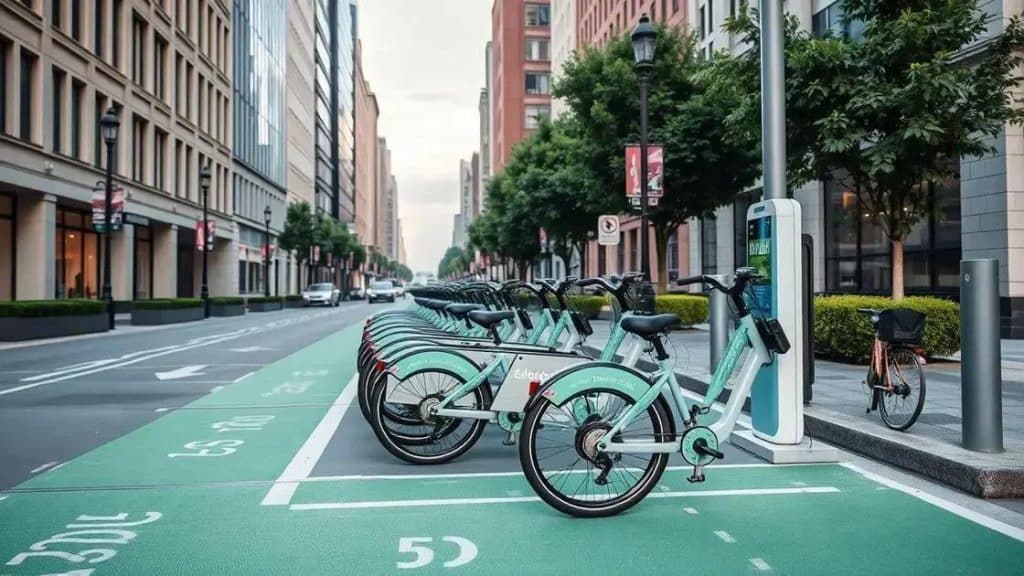
Electric cargo bike infrastructure includes dedicated bike lanes, convenient charging stations, and secure parking, essential for promoting safe and efficient use in urban areas.
Electric cargo bike infrastructure is shaping the future of urban mobility. Have you ever thought about how this innovation can transform your city’s transport system? Let’s dive in!
What is electric cargo bike infrastructure?
Electric cargo bike infrastructure refers to a network designed to support the use of these innovative bicycles in urban areas. It includes dedicated bike lanes, charging stations, and parking spaces. With the rise of e-cargo bikes, it’s essential to create an environment that encourages their use.
Key Elements
Several components make up effective electric cargo bike infrastructure. These elements help improve safety and convenience for riders.
- Dedicated bike lanes: Protect cyclists from traffic and enhance safety.
- Charging stations: Provide accessible locations for recharging electric bikes.
- Bike parking facilities: Offer secure spaces to leave bikes when not in use.
- Signage and information: Help cyclists navigate safely and efficiently.
Implementing these elements can significantly improve the appeal of electric cargo bikes. Cities can model their infrastructure after those in places where these bikes are widely used. This includes studying how they have integrated bike lanes and services.
Moreover, providing cyclists with clear guidelines on how to use the lanes can enhance safety. Training and community outreach programs can promote better awareness about electric cargo bikes. They can help residents understand the benefits of reducing vehicle congestion.
The Benefits of Better Infrastructure
Investing in electric cargo bike infrastructure doesn’t just aid riders; it benefits cities as well. For instance, reducing traffic congestion is a notable advantage. As more people opt for electric bikes, fewer cars are on the road. This leads to cleaner air and less noise pollution.
Additionally, these bikes are cost-effective. Their maintenance costs are lower than those for cars. By offering incentives for businesses to adopt e-cargo bikes, cities can boost local economies while promoting sustainability.
Benefits of electric cargo bikes for cities

Electric cargo bikes offer numerous advantages for cities. They represent a sustainable transportation solution that can reduce congestion and pollution. As urban areas grow, adopting these bikes can enhance mobility without compromising the environment.
Environmental Impact
One major benefit of electric cargo bikes is their positive impact on the environment. By replacing traditional delivery vehicles, they help cut down greenhouse gas emissions. This contribution is significant in the fight against climate change and improving air quality.
- Reduced carbon emissions: Electric cargo bikes produce minimal emissions compared to cars and trucks.
- Less traffic congestion: Fewer cars on the road means reduced congestion, leading to smoother traffic flow.
- Improved urban air quality: With less pollution, cities can enjoy cleaner air, resulting in better public health.
Moreover, electric cargo bikes enhance the livability of urban environments. They encourage a shift towards a greener lifestyle. When people see these bikes on the streets, it creates awareness about sustainability and promotes eco-friendly practices.
Economic Benefits
In addition to environmental advantages, electric cargo bikes also bring economic benefits to cities. Their operational costs are lower compared to traditional delivery methods. This is appealing for businesses looking to save money while still providing excellent service.
Using these bikes can also accelerate delivery times, as they can navigate traffic more easily than larger vehicles. As cities extend their bike lanes, companies can reach customers faster, improving customer satisfaction.
Furthermore, electric cargo bikes promote local businesses by allowing them to operate in areas where vehicle access is limited or restricted. This offers entrepreneurs more flexibility in their operations, encouraging innovation and growth in urban settings.
Key components of effective infrastructure
Building effective electric cargo bike infrastructure requires several key components. Each of these elements plays an important role in ensuring safety and functionality for users. Well-planned infrastructure can significantly enhance the adoption of electric cargo bikes in cities.
Safe and Accessible Bike Lanes
At the heart of electric cargo bike infrastructure are dedicated bike lanes. These lanes must be designed to ensure the safety of cyclists, separated from vehicle traffic whenever possible. Proper lane markings and signage help guide riders, making their journeys smoother.
- Separated lanes: Protect cyclists from motor vehicles, reducing accidents.
- Clear signage: Informs riders about lane rules and upcoming hazards.
- Regular maintenance: Ensures bike lanes remain safe and accessible.
Access to safe lanes encourages more people to use electric cargo bikes, promoting a cycle-friendly environment. The availability of well-maintained bike lanes is crucial for gaining public trust in this mode of transport.
Convenient Charging Stations
Another essential component is charging stations strategically placed throughout urban areas. These stations allow riders to recharge their bikes easily. Considerations for location are key; they should be near popular destinations and accessible to all cyclists.
Having ample charging points not only supports electric cargo bike users but also reassures potential riders about the practicality of using these bikes. This builds confidence in their ability to complete longer trips without worrying about running out of battery.
Secure Parking Facilities
Providing secure parking facilities is also vital. Electric cargo bikes often have a higher value than regular bicycles, making security a critical concern. Designated parking areas should be available in busy commercial districts and residential areas.
- Bike racks: Offer secure locking options for stress-free parking.
- Supervised lots: Provide additional security measures, such as surveillance.
- Weather protection: Sheltered parking helps preserve bike components.
Encouraging users to park their bikes safely can also reduce theft and damage, fostering a more vibrant cycling culture. With these components in place, cities can see a larger integration of electric cargo bikes into daily life.
Challenges in developing electric cargo bike networks

Developing a network for electric cargo bikes comes with its own set of challenges. These issues can hinder the widespread adoption of this efficient mode of transport. Understanding these challenges is vital for cities looking to create effective electric cargo bike networks.
Infrastructure Limitations
One major challenge involves current infrastructure limitations. Many cities lack the necessary bike lanes or charging stations required to support electric cargo bikes. Without a robust infrastructure, riders may feel unsafe, which discourages use.
- Insufficient bike lanes: Many roads are not designed with cyclists in mind, making it dangerous for bike users.
- Lack of charging stations: Scarcity of charging options makes long trips difficult.
- Poor maintenance: Existing bike lanes may be in disrepair, which can lead to accidents.
These infrastructure issues must be tackled to create a cycling-friendly environment. Cities need to invest in building and maintaining dedicated lanes to facilitate safe travel for electric cargo bike users.
Public Awareness and Education
Another challenge is the lack of public awareness and education regarding electric cargo bikes. Many people are unfamiliar with how these bikes operate. This lack of knowledge can lead to misconceptions and resistance to adoption.
Conducting outreach programs and providing clear information can help. Educating the public about the benefits and usage of electric cargo bikes will encourage more people to consider them as a viable transport option. Moreover, highlighting real-life success stories can build credibility and inspire confidence in potential riders.
Policy and Regulatory Hurdles
Policy and regulatory hurdles also pose significant challenges. In many areas, there are no specific regulations governing electric cargo bikes. This can create confusion regarding where these bikes can ride and park.
- Lack of regulations: Absence of clear policies leads to uncertainty among users.
- Parking restrictions: Inconsistent rules can discourage use in certain areas.
- Funding issues: Municipalities may struggle to obtain funding for necessary infrastructure changes.
Establishing clear regulations and supportive policies is crucial for enabling the growth of electric cargo bike networks. Collaboration between local governments and stakeholders will help address these challenges effectively.
FAQ – Frequently Asked Questions about Electric Cargo Bikes
What are the main benefits of using electric cargo bikes in cities?
Electric cargo bikes reduce traffic congestion, lower emissions, and promote sustainable transportation options.
What infrastructure is necessary for electric cargo bikes?
Key infrastructure includes dedicated bike lanes, convenient charging stations, and secure parking facilities for users.
How can cities overcome challenges in developing electric cargo bike networks?
Cities can focus on improving infrastructure, raising public awareness, and establishing clear regulations to support electric cargo bike use.
Why is public awareness important for electric cargo bikes?
Educating the public about the benefits of electric cargo bikes helps to increase adoption and acceptance, making cities more bike-friendly.