E-bike commuter programs in metropolitan areas: a green solution
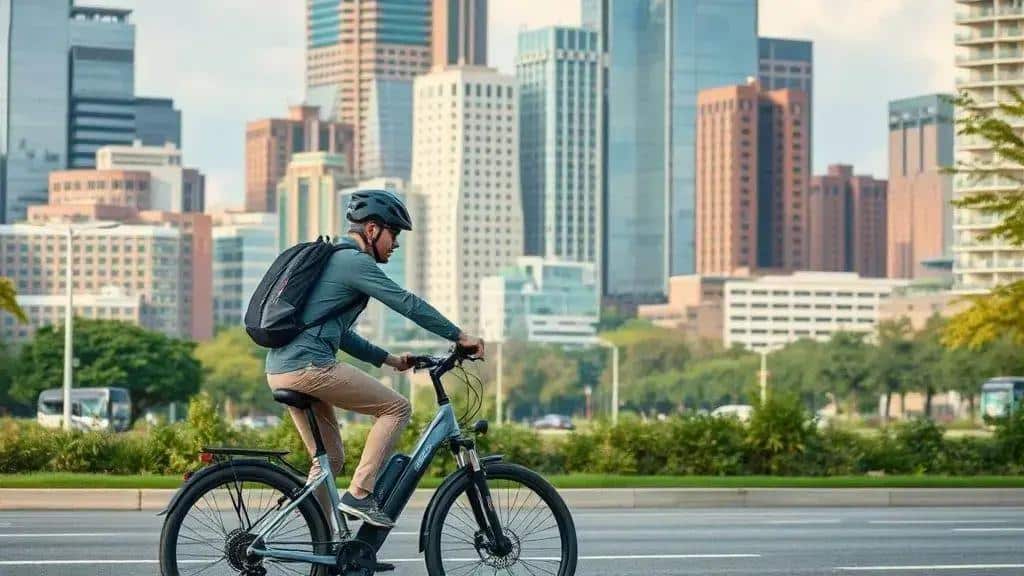
E-bike commuter programs significantly enhance urban transportation by providing sustainable, cost-effective, and health-promoting alternatives, while addressing challenges such as safety, weather, and battery maintenance.
E-bike commuter programs in metropolitan areas are becoming an attractive option for urban dwellers seeking efficient and eco-friendly transportation. Have you ever considered how an e-bike could transform your daily commute?
What are e-bike commuter programs?
E-bike commuter programs are innovative initiatives designed to promote the use of electric bicycles as a viable transportation option in urban areas. These programs aim to reduce traffic congestion and lower carbon emissions while providing an affordable and efficient mode of travel.
One key aspect of e-bike commuter programs is their ability to cater to various types of commuters. Whether you’re a student heading to class or a professional commuting to work, these programs offer flexibility and convenience. Cities worldwide are adopting different models to encourage e-bike usage.
How e-bike commuter programs work
Typically, municipalities or organizations partner with bike-sharing companies to facilitate e-bike access. Users can easily rent e-bikes for short trips, often utilizing smartphone apps for convenience. Some programs allow users to subscribe for monthly or annual access, making it more cost-effective than owning a bike.
Benefits of participating in e-bike programs
- Improved health: Riding e-bikes promotes physical fitness as users engage in active transportation.
- Environmental impact: E-bike programs help reduce greenhouse gas emissions, contributing to cleaner air.
- Cost-effective: Using an e-bike can save money on gas and parking fees.
- Enhanced mobility: E-bikes can navigate congested city streets more easily than cars, improving commute times.
As cities continue to grow, the demand for efficient transportation solutions increases. E-bike commuter programs present an appealing alternative that meets the needs of modern commuters while supporting sustainability goals.
Benefits of using e-bikes for commuting
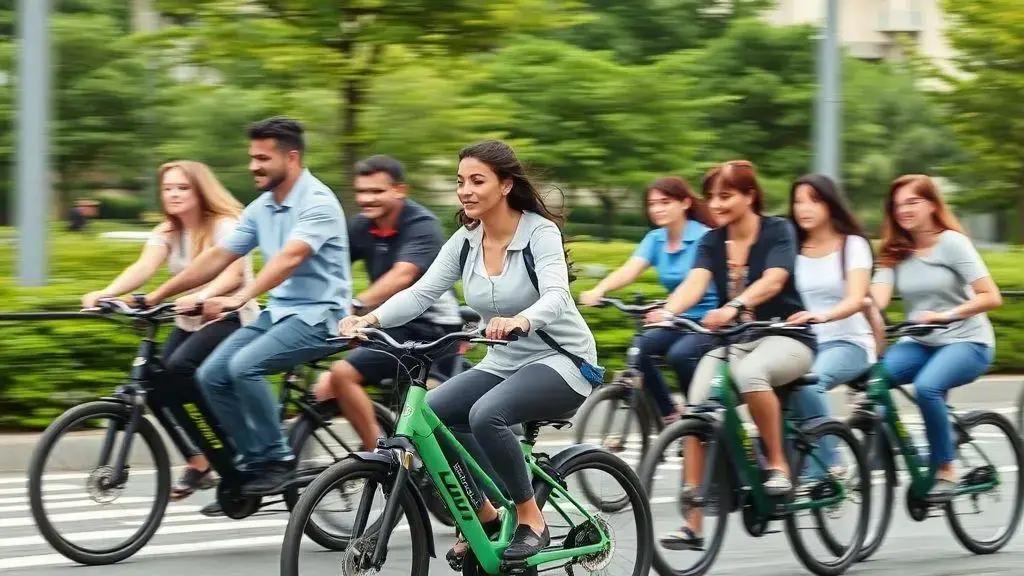
Using e-bikes for commuting offers numerous advantages that significantly enhance the daily travel experience. With the integration of electric bicycles into urban travel, commuters find a blend of efficiency and sustainability that traditional vehicles can’t match.
One of the primary benefits is health improvement. While e-bikes provide assistance, they still require pedaling, which engages the rider in physical activity. This simple fact can contribute to better cardiovascular health and increased fitness levels.
Cost Savings
Commuting on an e-bike can lead to substantial savings for users. Compared to driving a car, e-bike users save on fuel and parking costs. Moreover, maintenance costs for e-bikes are generally lower than those for cars, making them an economically sound option.
Environmental Impact
Another compelling reason to choose e-bikes is their positive effect on the environment. By reducing reliance on cars, e-fat bikes contribute to lower emissions and decreased air pollution. This change not only benefits the planet but also improves local air quality, creating healthier urban environments.
Time Efficiency
- Faster commuting: E-bikes allow riders to bypass traffic and navigate through congested areas more efficiently.
- Less waiting: With bike lanes and paths, e-bike users can minimize time spent waiting in traffic.
- Easy parking: E-bikes require less space and can be parked closer to destinations, saving additional time.
Ultimately, the rise of e-bikes as a commuting solution has reshaped how people think about transportation. As more individuals recognize these benefits, urban landscapes are adapting to accommodate this exciting change.
How cities implement e-bike initiatives
Cities around the world are embracing e-bike initiatives as a key part of their transportation strategies. These initiatives are designed to promote sustainable commuting and reduce traffic congestion. By integrating e-bikes into public transit systems, cities provide residents with more efficient travel options.
To implement e-bike programs successfully, cities often partner with local businesses and bike-sharing companies. This collaboration helps ensure that resources such as e-bikes and maintenance services are readily available to users. Through these partnerships, cities can create an extensive network of e-bike stations for convenient access.
Key Strategies for Implementation
When launching e-bike initiatives, cities typically follow several effective strategies. They begin by conducting surveys to assess the community’s interest and identify ideal locations for bike stations. These insights help in creating a user-friendly program tailored to commuters’ needs.
Creating Infrastructure
A vital aspect of implementing e-bike programs involves developing the necessary infrastructure. Cities need dedicated bike lanes to ensure safety for riders and encourage more users to opt for e-bikes. Proper signage, maintenance of bike paths, and secure parking facilities are also important components.
Community Engagement
- Awareness campaigns: Cities often run marketing campaigns to educate the public about e-bikes and their benefits.
- Free trials: Offering free trials can encourage residents to experience e-bikes firsthand, increasing interest.
- Feedback mechanisms: Gathering user feedback helps cities adjust programs based on real-world experiences.
Additionally, cities may offer incentives, such as discounts or subsidies, to promote e-bike usage. By making e-bikes more accessible and affordable, they help reduce barriers to adoption. The successful implementation of e-bike initiatives can transform the commuting landscape and support environmentally friendly transportation.
Challenges faced by e-bike commuters

Even though e-bikes offer great benefits, commuters still face several challenges on their daily rides. Understanding these challenges is important for improving the overall experience of e-bike users in urban environments.
One main challenge is safety. Many cities lack proper infrastructure such as dedicated bike lanes, which can put e-bike riders at risk. Without safe paths, cyclists often have to share roads with cars, leading to potential accidents. Having clear signage and visible bike routes is essential for making e-bike commuting safer.
Weather Conditions
Weather can also impact e-bike commuting. Rain, snow, and extreme heat can deter riders and make the commute uncomfortable. It is crucial for e-bike users to have access to secure storage for their bikes, as well as gear to help them cope with different weather conditions.
Battery Life and Maintenance
Another challenge involves the battery life of electric bikes. Commuters need to ensure their e-bikes are charged before a ride, as a dead battery can turn a convenient vehicle into a burden. Regular maintenance is also important to keep the e-bike in good condition. This includes checking tire pressure, brakes, and the electric system.
Cost Considerations
- Initial investment: While e-bikes save money over time, the upfront cost can be a barrier for many potential users.
- Maintenance costs: Regular upkeep may add to overall expenses, especially for more advanced models.
- Insurance: Some riders may consider obtaining insurance to protect their investment, increasing overall costs.
Additionally, some riders may feel uneasy about theft, particularly in densely populated areas with high crime rates. To counteract this, secure parking options and locks are necessary. Addressing these challenges will lead to a more enjoyable experience for e-bike commuters and can encourage even more people to adopt this sustainable method of transportation.
FAQ – Frequently Asked Questions about E-bike Commuting
What should I consider for safety while riding an e-bike?
It’s important to wear a helmet, use bike lanes, and stay visible to drivers to ensure your safety while riding.
How do I maintain my e-bike’s battery?
Regularly charge your battery before long rides and follow manufacturer guidelines for care to extend its lifespan.
What can I do about bad weather when commuting on an e-bike?
Invest in waterproof gear and avoid riding during severe weather conditions to ensure your safety and comfort.
Are e-bikes expensive to maintain?
While initial costs can be high, maintenance for e-bikes is generally lower than cars, and routine upkeep can prevent expensive repairs.