Drone fleet management for urban deliveries: the future is here
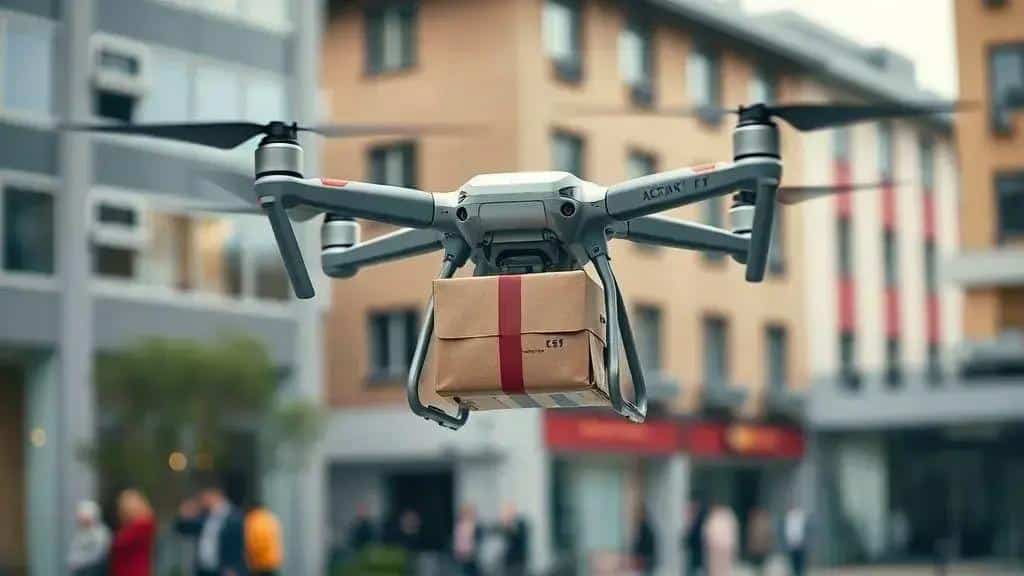
Drone fleet management for urban deliveries involves optimizing routes, ensuring regulatory compliance, and utilizing AI technology to enhance efficiency and speed while minimizing costs and maximizing safety.
Drone fleet management for urban deliveries is changing the logistics landscape. Have you ever wondered how packages reach your doorstep so quickly? Let’s dive into this transformational technology and explore its impact!
Understanding drone fleet management
Understanding drone fleet management is vital in the era of rapid logistics advancements. With the increase in demand for fast delivery services, managing fleets of drones becomes crucial for efficiency and reliability.
Companies need to focus on logistical solutions that help optimize their operations. The integration of drone delivery systems can significantly lower costs and enhance speed compared to traditional delivery methods.
Key Components of Drone Fleet Management
Effective drone fleet management involves several core components:
- Monitoring flight paths
- Scheduling maintenance
- Data analysis for optimization
- Regulatory compliance
By focusing on these key areas, businesses can ensure their drone operations run smoothly. Maintaining accurate data is essential for identifying potential inefficiencies.
Benefits of Efficient Management
Efficient management of drone fleets offers significant advantages. These include:
- Improved delivery speed
- Increased operational efficiency
- Cost savings through optimized routes
- Enhanced customer satisfaction
Each benefit contributes to creating a competitive edge in the delivery market. As more companies adopt drone fleet management, understanding its nuances becomes even more important.
With the rise of urban deliveries, drone technology is more critical than ever. Ensuring a well-organized fleet can facilitate prompt deliveries, ultimately benefitting consumers and businesses alike.
Benefits of using drones for urban deliveries
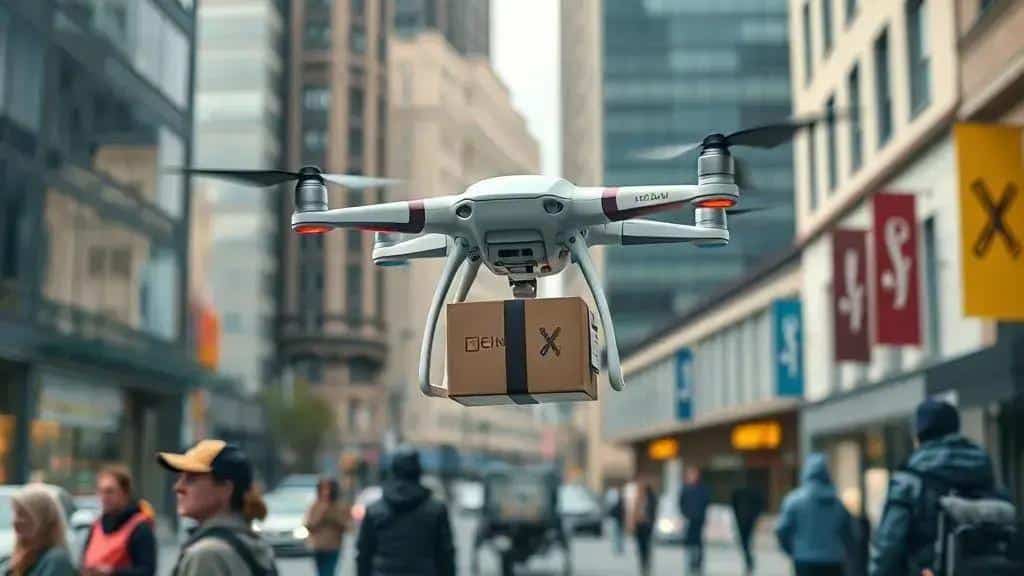
The benefits of using drones for urban deliveries are becoming increasingly clear as technology advances. As cities grow busier, businesses are searching for efficient ways to meet customer needs.
One major advantage of utilizing drones is the speed of delivery. Drones can bypass traffic and reach destinations much faster than traditional delivery vehicles. This can significantly enhance customer satisfaction as packages arrive in a timely manner.
Cost-Effectiveness
Another important benefit is the cost savings potential. Drones can reduce fuel expenses and labor costs. When properly managed, they can operate for longer periods, covering more ground in less time.
- Lower delivery costs
- Reduced vehicle maintenance expenses
- Minimized reliance on human labor
Furthermore, with fewer trucks on the road, there’s less congestion in urban areas. This reduction in traffic not only makes the environment cleaner, but also promotes better air quality.
Scalability and Flexibility
Drones also offer scalability. Businesses can quickly deploy more units during peak seasons without extensive training or infrastructure investment. This flexibility allows companies to respond agilely to market demands.
- Rapid deployment during busy periods
- Ability to reach hard-to-access locations
- Adaptation to various delivery types
In addition, drones have the ability to deliver essential items in emergencies, such as medical supplies or food. This capability highlights their usefulness beyond regular parcel delivery. With the benefits of drone technology becoming undeniable, many companies are eager to integrate them into their logistics systems.
Best practices for managing drone fleets
Managing a drone fleet effectively requires careful planning and execution. Companies need to adopt best practices to ensure smooth operations. One of the most important aspects is regular maintenance of each drone.
Implementing routine checks helps avoid mechanical failures. Establishing a maintenance schedule can keep drones in top shape and extend their lifespan. This proactive approach minimizes downtime and keeps the fleet ready for immediate deployments.
Flight Path Optimization
Another key practice is to optimize flight paths. By analyzing traffic patterns and environmental factors, companies can create efficient routes. This not only enhances delivery speed but also reduces energy consumption.
- Use data analytics to monitor flight efficiency
- Adjust paths based on real-time weather conditions
- Incorporate updated maps for accuracy
Additionally, training staff on the latest technological advancements is crucial. Knowledgeable operators can manage fleets more effectively and adapt to new features or regulations.
Regulatory Compliance
Adhering to local regulations is also essential. Understanding the laws surrounding drone usage, including air traffic control and restricted zones, helps avoid legal issues. Compliance ensures smoother operations and builds trust with stakeholders.
- Stay updated on changing regulations
- Register all drones with the appropriate authorities
- Educate the team about compliance standards
Moreover, data collection plays a vital role in fleet management. Tracking flight data enables companies to assess performance and identify areas for improvement. Analyzing this data can guide decision-making processes and lead to better outcomes.
Future trends in drone delivery systems
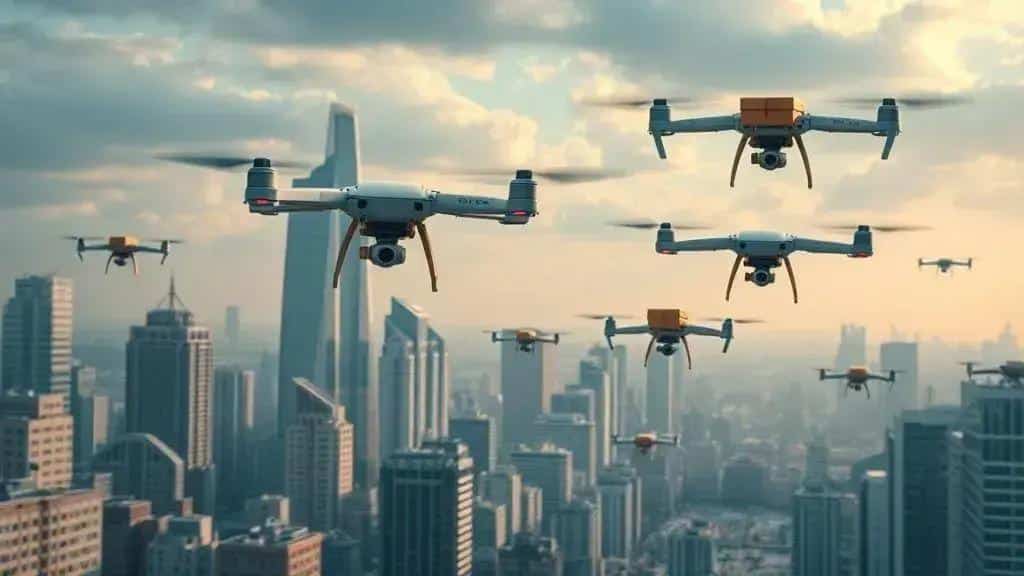
As technology evolves, the future trends in drone delivery systems are becoming increasingly innovative and exciting. Companies worldwide are looking for ways to enhance their delivery processes, making them faster and more reliable.
One prominent trend is the integration of artificial intelligence (AI) into drone systems. AI allows drones to make smarter decisions during flight. With advanced algorithms, these drones can analyze their surroundings and adjust routes in real-time.
Expansion of Drone Usage
Moreover, the scope of drone delivery is expanding. Initially focused on parcels, companies are now exploring delivery options for food, medical supplies, and even emergency services. This diversification highlights how adaptable drone technology can be.
- Delivering groceries directly to homes
- Transporting medical supplies to remote areas
- Providing emergency aid during disasters
The implementation of autonomous drones is also on the rise. These drones require less human intervention, allowing for more efficient operations. With automation, businesses can scale their delivery systems without significantly increasing costs.
Improved Safety Features
Another trend is the enhancement of safety features. As drone deliveries become more common, ensuring the safety of both drones and people on the ground is crucial. Therefore, manufacturers are developing technologies that help avoid collisions and navigate obstacles more effectively.
- Advanced sensor technologies
- Collision avoidance systems
- Automated emergency landing protocols
Furthermore, regulatory changes are shaping the future of drone deliveries. As governments establish clearer guidelines for drone operations, it will facilitate smoother integration into existing air traffic systems. Compliance with regulations will be vital for the growth of the industry.
FAQ – Frequently Asked Questions about Drone Delivery Systems
What are the benefits of using drones for deliveries?
Drones offer faster delivery times, cost savings, and can reach areas that are hard to access, enhancing overall logistics.
How do drones avoid collisions during delivery?
Drones use advanced sensor technology and algorithms to detect obstacles and adjust their flight paths in real-time for safety.
What types of products can be delivered by drones?
Drones can deliver a wide range of products including food, medical supplies, and retail packages, making them versatile for various needs.
How is regulation impacting drone deliveries?
Regulatory changes are establishing clearer guidelines for drone use, helping companies integrate drone delivery into their logistics more smoothly.