Drone delivery regulations US 2026: logistics guide
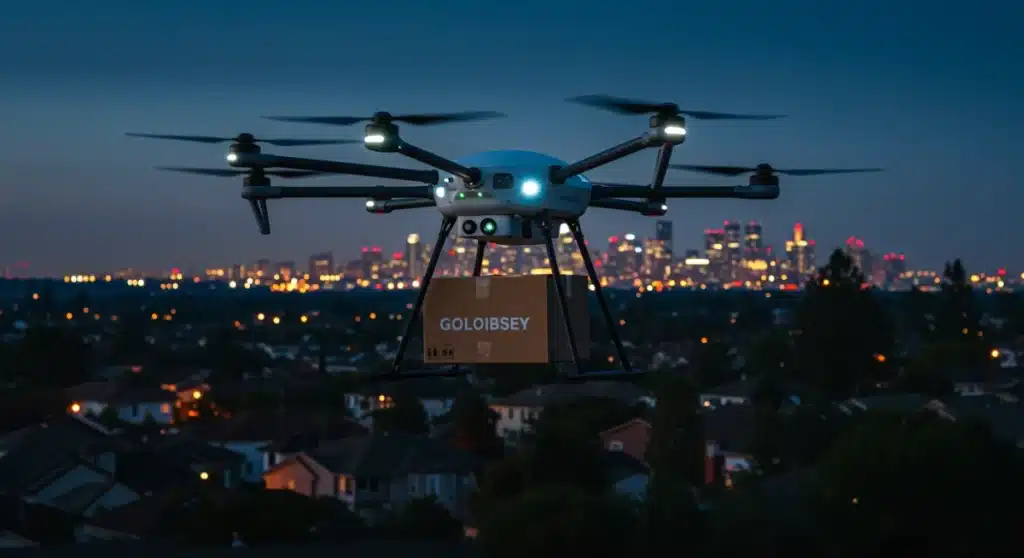
The latest drone delivery regulations in the U.S. for 2026 significantly impact logistics companies, necessitating a thorough understanding of evolving FAA frameworks to ensure compliant and efficient autonomous operations.
The landscape of logistics is undergoing a profound transformation, with autonomous technologies like drones poised to redefine how goods are transported. For logistics companies, understanding drone delivery regulations US for 2026 is not merely about compliance; it’s about seizing competitive advantage and navigating a complex, yet promising, future. The Federal Aviation Administration (FAA) continues to refine its framework, making it imperative for businesses to stay informed and adaptable.
Understanding the FAA’s evolving regulatory framework for 2026
The FAA remains the primary authority governing drone operations in U.S. airspace, and its regulatory framework is continually evolving to accommodate the rapid advancements in drone technology. For 2026, the focus is on integrating Unmanned Aircraft Systems (UAS) into the national airspace safely and efficiently, moving beyond experimental phases to widespread commercial deployment. This involves a delicate balance between fostering innovation and ensuring public safety, security, and privacy.
The FAA’s approach is characterized by a phased implementation strategy, introducing regulations incrementally as technology matures and operational experience grows. This ensures that new rules are practical and responsive to real-world challenges. Logistics companies must recognize that 2026 marks a pivotal year, with several key regulatory updates expected to solidify the operational parameters for drone delivery services across the nation.
Key regulatory pillars for commercial UAS operations
Several foundational elements underpin the FAA’s regulatory structure for drone deliveries. These pillars are designed to address various aspects of drone operation, from the aircraft itself to the personnel operating it and the airspace it traverses.
- Remote ID Requirement: Essential for identifying drones in flight, enhancing safety and security.
- Operations Over People and at Night: Specific rules enabling expanded operational capabilities under certain conditions.
- Type Certification: A more rigorous process for approving specific drone models for complex operations, including delivery.
- Air Carrier Certification (Part 135): The pathway for drone operators to conduct scheduled or unscheduled air transport of property.
These regulations aim to standardize operations, providing a clear pathway for logistics companies to scale their drone delivery services. Compliance with these pillars is non-negotiable for any entity planning to integrate drones into their supply chain, ensuring that every flight adheres to the highest safety standards and regulatory mandates.
In conclusion, the FAA’s 2026 regulatory framework for drone delivery is a dynamic and comprehensive set of guidelines. Logistics companies must invest in understanding these rules, not just for compliance, but as a strategic imperative to unlock the full potential of drone-based delivery services. Proactive engagement with these regulations will be key to successful integration and expansion.
Navigating Part 135 certification: a critical step for logistics
For any logistics company serious about implementing widespread drone delivery services, obtaining a Part 135 Air Carrier Certificate is a critical and often complex undertaking. This certification, typically associated with traditional air carriers, has been adapted by the FAA to accommodate UAS operations, signifying a drone operator’s ability to conduct air transportation services safely and reliably. It’s the gold standard for commercial drone delivery.
The Part 135 certification process is exhaustive, requiring applicants to demonstrate robust operational control, maintenance procedures, pilot training programs, and safety management systems. It’s designed to ensure that drone delivery operations meet the stringent safety standards expected of all air carriers. Companies should anticipate a significant investment of time and resources to prepare for and successfully navigate this certification, as it involves detailed documentation, inspections, and demonstrations of operational capability.
Understanding the certification requirements
The path to Part 135 certification is multi-faceted, demanding meticulous attention to detail across various operational domains. Logistics companies must not only develop comprehensive operational manuals but also prove their ability to execute these plans under real-world conditions.
- Operational Manuals: Detailed procedures for every aspect of flight, maintenance, and emergency response.
- Personnel Qualification: Ensuring pilots and maintenance staff meet FAA training and certification standards.
- Aircraft Airworthiness: Demonstrating that drones are designed, manufactured, and maintained to FAA standards.
- Safety Management System (SMS): A formal, system-wide approach to managing safety risks.
Achieving Part 135 certification is a testament to a logistics company’s commitment to safety and operational excellence. It opens the door to broader operational capabilities, including beyond visual line of sight (BVLOS) flights and operations over people, which are crucial for efficient and scalable drone delivery networks. Without this certification, drone delivery operations remain severely limited in scope and scale.
In essence, Part 135 certification is the cornerstone for establishing a legitimate and expansive drone delivery service. Logistics companies must view it as an investment in their future, enabling them to operate with the trust and regulatory backing essential for success in this burgeoning market.
Beyond visual line of sight (BVLOS) operations and their impact
The ability to conduct Beyond Visual Line of Sight (BVLOS) operations is arguably the most significant enabler for scalable drone delivery. Currently, most commercial drone operations are restricted to Visual Line of Sight (VLOS), meaning the remote pilot must maintain direct visual contact with the drone. This severely limits the range and efficiency of delivery services. BVLOS operations, however, allow drones to fly over much greater distances, opening up vast possibilities for urban, suburban, and rural deliveries.
For 2026, the FAA is expected to continue refining the pathways for BVLOS approvals. While blanket BVLOS waivers are rare, the agency is increasingly granting specific authorizations to operators who can demonstrate a proven safety case, often through advanced detect-and-avoid technologies and robust operational procedures. Logistics companies must prepare to invest in these technologies and develop sophisticated operational plans to secure BVLOS approvals.
Technologies enabling BVLOS safety
The safe execution of BVLOS flights relies heavily on cutting-edge technology that allows drones to operate autonomously and interact safely within shared airspace. These technologies are crucial for mitigating risks associated with mid-air collisions and unexpected ground hazards.
- Detect-and-Avoid Systems: Utilizing radar, lidar, and cameras to sense and avoid other aircraft and obstacles.
- Command and Control Link Reliability: Ensuring robust and secure communication between the ground station and the drone.
- Airspace Management Systems: Integrating with existing air traffic control systems to ensure deconfliction.
- Redundant Systems: Implementing backup systems for critical components to prevent single points of failure.
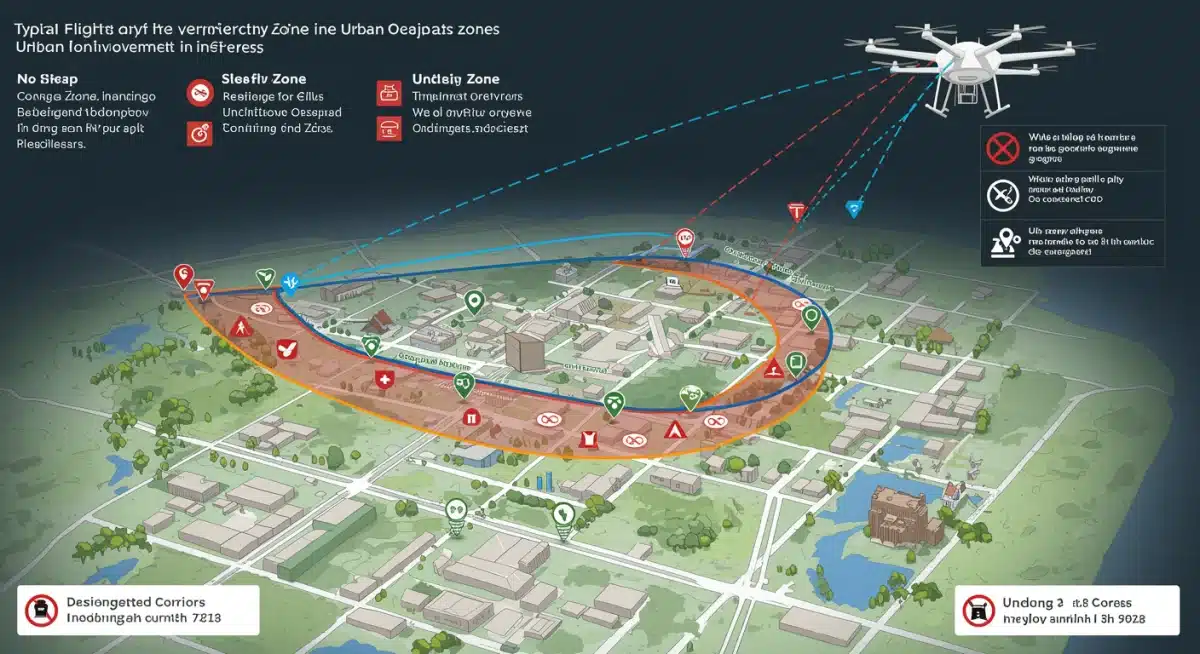

The successful implementation of BVLOS operations will fundamentally alter the economics and reach of drone delivery. Logistics companies that can secure these approvals will gain a significant competitive edge, enabling them to offer faster, more efficient, and more geographically expansive delivery services. It is a complex challenge, but one with immense rewards for those who master it.
To summarize, BVLOS operations are central to the future of drone delivery. Logistics companies must prioritize technological investment and rigorous operational planning to meet the FAA’s stringent safety requirements for these advanced flights, ultimately unlocking expansive delivery capabilities.
Addressing public perception and local regulations
While federal regulations set the baseline for drone operations, successful drone delivery integration also hinges on navigating public perception and localized regulations. Communities often have concerns regarding noise, privacy, and safety, which can significantly impact the acceptance and scalability of drone delivery services. Logistics companies cannot afford to overlook these ‘social license to operate’ considerations.
Local governments, driven by constituent concerns, may impose additional restrictions on drone operations, such as specific flight paths, operating hours, or even outright bans in certain areas. These local ordinances can vary widely from city to city or county to county, creating a patchwork of rules that logistics companies must meticulously track and comply with. Engaging with local communities and authorities proactively can help mitigate potential friction and build trust.
Strategies for community engagement and compliance
Building positive relationships with local stakeholders is crucial for the long-term viability of drone delivery services. A transparent and collaborative approach can transform potential opposition into community support.
- Community Outreach Programs: Informing residents about drone technology, safety measures, and benefits.
- Addressing Noise Concerns: Investing in quieter drone models and optimizing flight paths to minimize disturbance.
- Privacy Safeguards: Implementing strict data protection policies regarding camera footage and personal information.
- Collaboration with Local Authorities: Working with city planners and law enforcement to establish mutually agreeable operational parameters.
Ignoring public sentiment or local regulations can lead to significant delays, legal challenges, and damage to brand reputation. Logistics companies must adopt a holistic approach that integrates federal compliance with robust community engagement and adherence to local ordinances. This dual focus ensures not only regulatory compliance but also societal acceptance, which is equally vital for the sustained growth of drone delivery services.
Ultimately, successful drone delivery requires more than just FAA compliance; it demands winning over local communities and integrating operations seamlessly into the existing urban fabric. Proactive engagement and sensitivity to local concerns are paramount.
Cybersecurity and data privacy in drone operations
As drone delivery systems become more sophisticated and interconnected, the issues of cybersecurity and data privacy escalate in importance. Drones, like any network-connected device, are vulnerable to cyber threats, from hijacking and data breaches to denial-of-service attacks. For logistics companies, ensuring the integrity and security of their drone fleets and the data they collect is paramount, not just for operational reasons but also for maintaining customer trust and complying with privacy laws.
The FAA, alongside other federal agencies, is increasingly emphasizing robust cybersecurity protocols for UAS operations. This includes securing command and control links, protecting sensitive flight data, and safeguarding customer information collected during deliveries. Logistics companies must implement comprehensive cybersecurity frameworks that cover both the hardware and software aspects of their drone systems, as well as their ground control stations and data storage solutions.
Key cybersecurity considerations for drone delivery
A multi-layered approach to cybersecurity is essential to protect drone delivery operations from a wide array of potential threats. This involves technical safeguards, operational procedures, and continuous monitoring.
- Secure Communication Links: Encrypting data transmission between drones and ground control to prevent interception or jamming.
- Software and Firmware Integrity: Regular updates and vulnerability assessments to protect against exploits.
- Physical Security: Protecting drones and ground stations from unauthorized access or tampering.
- Data Encryption: Encrypting customer and operational data both in transit and at rest.
- Incident Response Plan: Developing clear protocols for responding to and mitigating cyber-attacks.
Beyond cybersecurity, data privacy is another critical concern. Drones equipped with cameras or sensors may inadvertently collect personal information. Compliance with privacy regulations such as the California Consumer Privacy Act (CCPA) or future federal privacy laws will be crucial. Logistics companies must establish clear data retention policies, obtain necessary consents, and anonymize data where possible to protect individual privacy.
In conclusion, cybersecurity and data privacy are not optional add-ons but fundamental requirements for reliable drone delivery. Logistics companies must invest in robust security measures and adhere to strict privacy protocols to protect their operations, their data, and their customers’ trust.
Economic implications and future market trends for 2026
The regulatory landscape for drone delivery in 2026 will profoundly shape its economic implications and future market trends. As regulations mature and BVLOS operations become more accessible, the cost-effectiveness and efficiency of drone delivery will significantly improve, driving wider adoption. Logistics companies that effectively navigate these regulations will be best positioned to capitalize on the burgeoning market opportunities.
The initial investment in drone technology, infrastructure, and regulatory compliance is substantial. However, as operational scales increase and efficiencies are realized, the per-delivery cost is expected to decrease, making drone delivery a viable and often superior alternative to traditional ground-based methods, especially for last-mile delivery. The ability to bypass traffic congestion, deliver to remote areas, and provide rapid service offers compelling economic advantages.
Market growth and investment outlook
The drone delivery market is projected for significant growth, attracting substantial investment as regulatory clarity emerges. This growth will be fueled by increasing consumer demand for faster delivery, technological advancements, and the expanding operational capabilities permitted by evolving regulations.
- Increased Efficiency: Faster delivery times and reduced operational costs compared to traditional methods.
- Expanded Reach: Ability to serve remote or difficult-to-access areas more effectively.
- Job Creation: Growth in areas like drone piloting, maintenance, software development, and regulatory compliance.
- Supply Chain Resilience: Drones offer an alternative delivery method, enhancing flexibility during disruptions.
For logistics companies, understanding these economic implications means recognizing the long-term value proposition of drone integration. It’s not just about delivering packages; it’s about optimizing resource allocation, reducing carbon footprints, and creating new service offerings. Early adopters who successfully establish compliant and efficient drone delivery networks will likely become market leaders, setting new benchmarks for speed and reliability in the logistics industry.
To summarize, the economic outlook for drone delivery in 2026 is highly positive, contingent on favorable regulatory developments. Logistics companies must strategically invest and adapt to leverage drones for enhanced efficiency, expanded market reach, and significant competitive advantages.
| Key Regulatory Area | Logistics Impact for 2026 |
|---|---|
| FAA Framework Evolution | Requires continuous monitoring and adaptation to new operational guidelines. |
| Part 135 Certification | Essential for scalable commercial drone delivery, demanding rigorous preparation. |
| BVLOS Operations | Unlocks long-range, efficient delivery; requires advanced tech and approvals. |
| Local & Public Acceptance | Crucial for operational viability and avoiding community-based restrictions. |
Frequently asked questions about drone delivery regulations
The Federal Aviation Administration (FAA) is the main regulatory authority for all drone operations, including delivery services, within the United States. They are responsible for developing and enforcing rules to ensure the safe integration of Unmanned Aircraft Systems (UAS) into national airspace, continually updating guidelines as technology evolves.
Part 135 certification is crucial because it allows drone operators to conduct scheduled or unscheduled air transport of property, essentially legitimizing commercial drone delivery operations. It demonstrates that a company meets stringent FAA safety and operational standards, enabling expanded services like Beyond Visual Line of Sight (BVLOS) flights.
BVLOS stands for Beyond Visual Line of Sight, meaning a drone operates without the remote pilot maintaining direct visual contact. This capability is vital for scalable drone delivery as it allows for longer-range and more efficient routes, significantly expanding the operational reach and economic viability of drone logistics services.
While federal regulations set the baseline, local governments can impose additional restrictions on drone operations concerning noise, privacy, and specific flight zones. Logistics companies must comply with both federal and local rules, often requiring community engagement and collaboration with city authorities to ensure smooth and accepted operations.
Critical cybersecurity measures for drone delivery include securing communication links, ensuring software and firmware integrity, protecting physical assets, encrypting data, and having a robust incident response plan. These steps are essential to prevent hacking, data breaches, and ensure the safe and reliable operation of drone fleets, maintaining customer trust.
Conclusion
The journey towards widespread drone delivery in the U.S. is undeniably complex, shaped by a dynamic regulatory environment that demands continuous attention and adaptation from logistics companies. For 2026, the FAA’s evolving framework, particularly surrounding Part 135 certification and BVLOS operations, represents both significant challenges and unparalleled opportunities. Success in this burgeoning field will hinge not only on technological prowess but also on a meticulous commitment to regulatory compliance, robust cybersecurity, and proactive community engagement. As the drone delivery sector matures, those logistics companies that strategically invest in understanding and adhering to these multifaceted regulations will be the ones that redefine the future of last-mile delivery, driving efficiency, sustainability, and innovation across the supply chain.