Innovation Alert: New Drone Delivery Regulations Expected by Q4 2026, Opening Up Air Logistics Opportunities
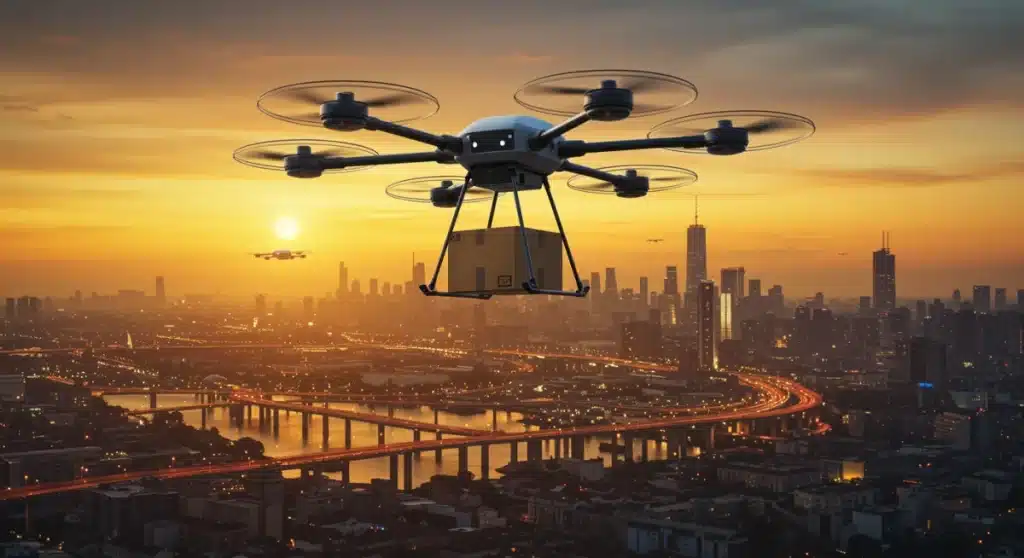
The landscape of logistics is on the cusp of a monumental transformation, driven by advancements in unmanned aerial systems (UAS) and the imminent establishment of comprehensive drone delivery regulations. Industry experts and governmental bodies alike are signaling a clear horizon: by Q4 2026, we anticipate a robust framework of rules that will not only legitimize but also accelerate widespread drone delivery operations. This isn’t merely an incremental change; it’s a paradigm shift poised to unlock unprecedented opportunities in air logistics, redefine supply chains, and revolutionize how goods move from origin to destination.
For years, the promise of drone delivery has been a tantalizing vision, hampered largely by the absence of clear, scalable regulatory guidelines. While technological capabilities have advanced at a breakneck pace, the legal and operational frameworks needed to integrate drones safely and efficiently into national airspace have lagged. This bottleneck, however, is rapidly dissolving. Governments worldwide, recognizing the immense economic potential and societal benefits, are now actively collaborating with industry stakeholders to craft regulations that address safety, security, privacy, and operational efficiency. The target date of Q4 2026 serves as a critical milestone, offering businesses and innovators a concrete timeline to prepare for this exciting new era.
This article delves deep into the expected impact of these forthcoming drone delivery regulations, exploring the vast opportunities they will create for businesses across various sectors. We will examine the critical components likely to be included in the new regulatory framework, discuss the challenges that still need to be addressed, and provide strategic insights for companies looking to leverage this emerging technology. From last-mile delivery to urgent medical supplies and industrial logistics, the implications are far-reaching. Understanding and preparing for these regulations now will be paramount for any organization aiming to maintain a competitive edge in the rapidly evolving world of air logistics.
The Current State of Drone Delivery: A Pre-Regulatory Landscape
Before diving into the future, it’s essential to understand where we stand today. Drone delivery, while operational in various pilot programs and niche applications, is still largely in its infancy from a widespread commercial perspective. Current operations are often limited by geographical constraints, payload capacities, and a patchwork of temporary waivers and exemptions granted by aviation authorities. These early ventures, however, have been invaluable, providing critical data and insights into the practicalities and challenges of integrating drones into the existing airspace.
Companies like Amazon, Wing (an Alphabet company), and Zipline have been at the forefront, demonstrating the viability of drone delivery for specific use cases. Amazon Prime Air has conducted test deliveries in various locations, showcasing the potential for rapid package delivery. Wing has established commercial services in several countries, delivering everyday items and food. Zipline has revolutionized medical logistics in remote areas, delivering blood, vaccines, and essential medicines with remarkable efficiency. These early successes underscore the technological readiness of drones for delivery tasks, highlighting that the primary hurdle has been regulatory, not technological.
The existing regulatory environment is characterized by a cautious, iterative approach. Aviation authorities, such as the FAA in the United States and EASA in Europe, have been developing rules incrementally, focusing on safety and ensuring drones do not interfere with traditional aviation. This has led to regulations for small UAS operations, remote pilot certification, and some provisions for beyond visual line of sight (BVLOS) flights, which are crucial for scalable delivery operations. However, a comprehensive, unified framework specifically tailored for high-volume, autonomous drone delivery across diverse urban and rural environments is still under development. This is precisely what the Q4 2026 target aims to address, providing the much-needed clarity and standardization that will allow the industry to truly take flight.
Anticipated Components of New Drone Delivery Regulations by Q4 2026
The forthcoming drone delivery regulations are expected to be comprehensive, addressing a wide array of operational, safety, and societal concerns. Drawing from ongoing discussions, white papers, and industry consultations, several key areas are likely to form the core of these new rules. Understanding these components is crucial for businesses to begin their strategic planning.
Airspace Integration and Traffic Management (UTM)
One of the most critical aspects will be the seamless integration of drone traffic into existing national airspace. This necessitates the development and implementation of robust Unmanned Aircraft System Traffic Management (UTM) systems. UTM will function similarly to air traffic control for manned aircraft, but specifically designed for the unique characteristics of drones. Key elements will include:
- Automated Flight Authorizations: Systems for requesting, approving, and managing drone flight plans in real-time.
- Dynamic Airspace Management: Mechanisms to dynamically allocate airspace, issue warnings, and reroute drones based on various factors like weather, temporary flight restrictions, and emergency situations.
- Conflict Resolution: Algorithms and protocols to prevent mid-air collisions between drones and with manned aircraft.
- Remote Identification: Mandatory systems that broadcast drone identification and location information, crucial for security and accountability.
Operational Standards and Certifications
To ensure safety and reliability, new drone delivery regulations will establish stringent operational standards. This will likely involve:
- Aircraft Certification: Drones designed for delivery will need to meet specific airworthiness standards, similar to manned aircraft. This includes requirements for structural integrity, propulsion systems, flight control software, and redundancy.
- Operator Certification: Beyond current remote pilot licenses, operators overseeing delivery fleets may require specialized certifications demonstrating proficiency in managing complex autonomous operations, emergency procedures, and regulatory compliance.
- Maintenance and Inspection Protocols: Detailed guidelines for routine maintenance, inspections, and repair of delivery drones to ensure their continued airworthiness.
- Performance-Based Standards: Regulations may shift towards performance-based standards, allowing for technological innovation while ensuring safety outcomes are met.
Safety and Risk Management
Safety will remain paramount. The new framework will likely include:
- Failure Mitigation: Requirements for redundant systems, emergency landing protocols, and parachute deployment systems to minimize risk in case of malfunction.
- Ground Risk Mitigation: Standards to ensure the safety of people and property on the ground, including safe delivery practices and minimum altitude requirements over populated areas.
- Cybersecurity Protocols: Protection against unauthorized access, hacking, and interference with drone operations and data.
Privacy and Data Protection
The use of drones for delivery raises significant privacy concerns, particularly regarding data collection (e.g., cameras) and potential surveillance. Regulations are expected to address:
- Data Minimization: Rules limiting the collection of personal data by delivery drones.
- Data Security: Requirements for protecting any collected data from breaches.
- Transparency: Guidelines on informing the public about drone operations in their vicinity.
Noise and Environmental Impact
As drone delivery scales, noise pollution and environmental footprint will become increasingly important considerations. Regulations may include:
- Noise Limits: Standards for drone noise levels, especially in residential areas.
- Emissions Standards: Encouragement or requirements for electric-powered drones to minimize carbon emissions.
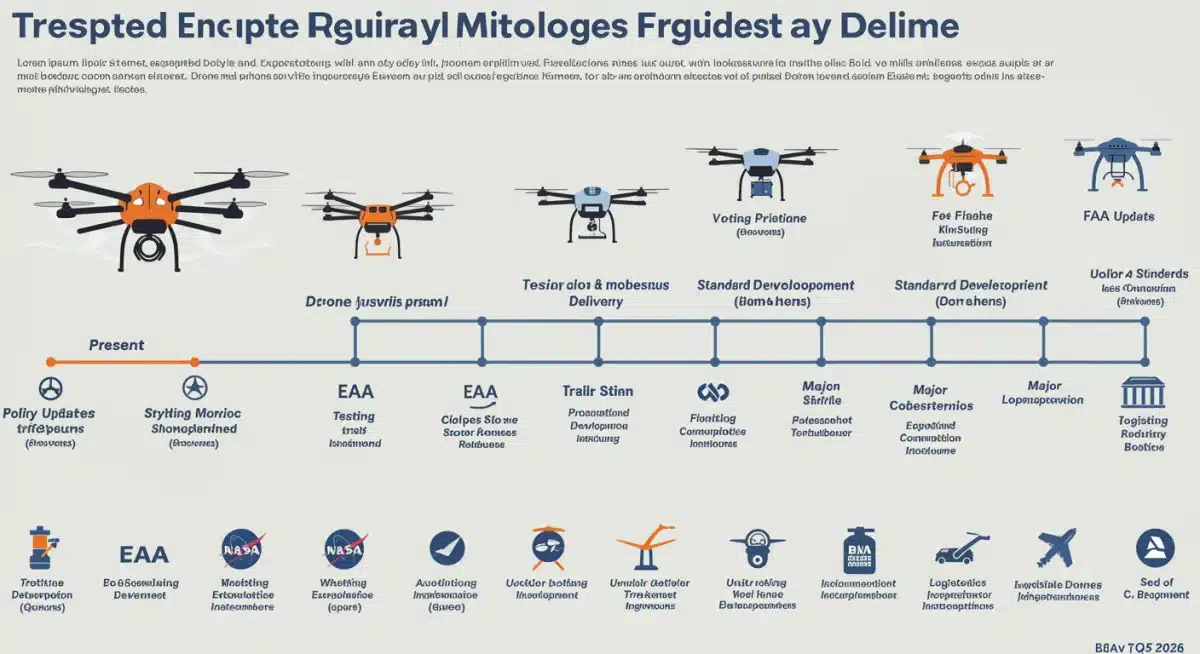
Opening Up Air Logistics Opportunities: The Economic Impact
The implementation of clear and comprehensive drone delivery regulations by Q4 2026 is set to unlock a multi-billion dollar market, transforming air logistics and creating vast economic opportunities across numerous sectors.
Last-Mile Delivery Revolution
This is arguably the most publicized and immediately impactful application. Drones can significantly reduce delivery times and costs, especially in congested urban areas and hard-to-reach rural locations. For e-commerce, this means:
- Faster Delivery: Same-day or even same-hour delivery becoming a standard, meeting consumer demand for instant gratification.
- Reduced Costs: Lower operational costs compared to traditional vehicle-based delivery, particularly for small, lightweight packages.
- Expanded Reach: Access to customers in remote areas previously uneconomical to serve.
- Increased Efficiency: Alleviating road traffic congestion and reducing carbon emissions associated with ground transportation.
Medical and Emergency Logistics
The ability of drones to bypass traffic and deliver critical items rapidly is a game-changer for healthcare and emergency services:
- Urgent Medical Supplies: Delivering blood, organs, vaccines, and vital medicines to hospitals and clinics, especially in emergencies or to remote locations.
- Disaster Relief: Providing essential supplies to areas cut off by natural disasters, where traditional logistics are impossible.
- Automated External Defibrillators (AEDs): Rapid deployment of AEDs to cardiac arrest victims, potentially saving lives.
Industrial and Enterprise Logistics
Beyond consumer delivery, drones offer significant advantages for various industries:
- Spare Parts Delivery: Rapid delivery of critical spare parts to industrial sites, reducing downtime and operational costs.
- Inspection and Maintenance: Drones can carry sensors for inspecting infrastructure (e.g., power lines, pipelines, wind turbines) and delivering small tools or components for repairs.
- Agriculture: Delivering pesticides, seeds, or monitoring equipment to specific areas, improving efficiency and reducing manual labor.
New Business Models and Job Creation
The drone delivery ecosystem will foster innovation and create entirely new business models:
- Drone Fleet Operators: Companies specializing in managing and operating large fleets of delivery drones.
- UTM Providers: Software and service companies developing and maintaining the traffic management systems.
- Drone Manufacturing and Maintenance: Increased demand for specialized delivery drones, components, and maintenance services.
- Training and Certification: New educational and training programs for drone pilots, operators, and maintenance technicians.
- Insurance and Legal Services: Development of specialized insurance policies and legal expertise for drone operations.
Challenges and Considerations for Widespread Adoption
While the future of drone delivery is bright, several challenges must be addressed for its widespread and successful adoption, even with new drone delivery regulations in place.
Public Acceptance and Perception
One of the biggest hurdles is gaining public trust and acceptance. Concerns about noise, privacy, and safety are legitimate and need to be proactively addressed through transparent communication, community engagement, and demonstrated reliability. The industry must work to educate the public about the benefits and safety measures in place.
Infrastructure Development
Scalable drone delivery requires more than just regulations and drones. It necessitates a robust supporting infrastructure, including:
- Landing and Take-off Zones: Designated and safe areas for drones to land and take off, especially in urban environments.
- Charging Stations: Networks of charging or battery-swapping stations to ensure continuous operation.
- Package Transfer Points: Automated systems for loading and unloading packages efficiently.
Technological Advancements and Standardization
While drone technology is advanced, continuous innovation is needed in areas such as:
- Battery Life and Payload Capacity: Extending flight ranges and carrying heavier loads.
- Sense-and-Avoid Systems: Enhancing the ability of drones to detect and avoid obstacles autonomously in complex environments.
- Standardization: Ensuring interoperability between different drone systems, UTM platforms, and ground infrastructure.
Economic Viability and Cost-Effectiveness
For drone delivery to truly scale, it must be economically viable. The initial investment in drones, infrastructure, and compliance with new regulations can be significant. Businesses will need to carefully analyze the cost-benefit ratio and identify use cases where drones offer a clear advantage over traditional methods.
Global Harmonization of Regulations
While individual nations are developing their own drone delivery regulations, global harmonization will be crucial for cross-border operations and fostering international trade. Disparate rules could create complexities and hinder the full potential of this technology.
Preparing for the Future: Strategies for Businesses and Innovators
With the Q4 2026 deadline for new drone delivery regulations on the horizon, businesses, logistics providers, and technology innovators must begin preparing now to capitalize on the emerging opportunities. Proactive engagement and strategic planning will be key to success.
Monitor Regulatory Developments Closely
Stay informed about the latest drafts, public comment periods, and final versions of regulations from relevant aviation authorities (e.g., FAA, EASA, CAA). Participate in industry forums and consultations to provide input and understand the evolving landscape. This continuous monitoring will allow for agile adaptation of business strategies.
Invest in Research and Development
Companies should invest in R&D to develop or adapt drone technology that aligns with anticipated regulatory requirements. This includes:
- Developing Compliant UAS: Designing drones that meet expected airworthiness, safety, and performance standards.
- UTM Integration: Exploring how existing logistics systems can integrate with future UTM platforms.
- Payload and Packaging Solutions: Innovating in package design and delivery mechanisms optimized for drone transport.
Form Strategic Partnerships
Collaboration will be vital. Businesses should consider partnering with:
- Drone Manufacturers: To secure access to compliant and advanced drone fleets.
- Technology Providers: For UTM solutions, AI-powered navigation, and data analytics.
- Logistics Companies: To integrate drone delivery into existing supply chains.
- Local Governments: For developing necessary ground infrastructure and obtaining local permits.

Pilot Programs and Testing
Where possible, engage in pilot programs under existing waivers or experimental authorizations. This hands-on experience provides invaluable insights into operational challenges, technological requirements, and the practical application of emerging rules. It also helps in building a safety record and demonstrating operational maturity.
Workforce Development and Training
The demand for skilled drone professionals will skyrocket. Companies should start planning for:
- Pilot Training: Ensuring current and future employees are certified and proficient in operating delivery drones under BVLOS conditions.
- Maintenance Technicians: Training staff to maintain and repair complex drone systems.
- Operations Managers: Developing expertise in managing automated drone fleets and complying with regulatory frameworks.
Address Public Concerns Proactively
Engage with communities where drone delivery is planned. Address concerns about noise, privacy, and safety through public demonstrations, information campaigns, and responsive feedback mechanisms. Building positive public perception early on will be crucial for smooth operational rollout.
Review Insurance and Legal Frameworks
Work with legal and insurance experts to understand the evolving liability landscape and secure appropriate coverage for drone operations. The new drone delivery regulations will undoubtedly impact these areas, and preparedness is key.
The Road Ahead: A Transformative Journey
The anticipation of comprehensive drone delivery regulations by Q4 2026 marks a pivotal moment in the history of logistics and transportation. It signifies a collective commitment from governments and industries to harness the immense potential of unmanned aerial systems for the benefit of commerce, healthcare, and society at large.
The journey will not be without its complexities. Integrating hundreds of thousands, if not millions, of autonomous drones into shared airspace safely and efficiently is a monumental task. It requires continuous technological innovation, robust regulatory enforcement, and sustained public engagement. However, the benefits – faster deliveries, reduced costs, enhanced accessibility, and environmental advantages – are too significant to ignore.
As we move closer to 2026, the focus will shift from “if” drone delivery will become mainstream to “how” it will be implemented at scale. Businesses that embrace this transformation, investing in compliant technology, skilled personnel, and strategic partnerships, will be best positioned to lead the charge. The era of widespread air logistics, powered by drones, is not a distant dream but a tangible reality rapidly approaching. The time to prepare is now, ensuring that your organization is ready to navigate and thrive in this exciting new chapter of global supply chains.