Drone-based inventory scanning: a game changer for businesses

Drone-based inventory scanning leverages advanced technology to enhance efficiency, accuracy, and real-time data integration in inventory management, making it a vital tool for modern businesses.
Drone-based inventory scanning is changing the way businesses manage their stock. Imagine a world where inventory checks are quick and efficient, enhancing accuracy while saving you precious time. Ready to explore this exciting innovation?
Understanding drone-based inventory scanning
Understanding drone-based inventory scanning is crucial for businesses looking to improve efficiency and accuracy in their stock management. This cutting-edge technology drastically reduces the time and labor involved in traditional inventory checks, maximizing productivity.
How Drone-Based Inventory Scanning Works
At its core, drone-based inventory scanning uses drones equipped with cameras and sensors to capture detailed images and data of stock levels. The drones fly over warehouse shelves and stock piles, quickly gathering information about product quantities and conditions. This data is then analyzed using software that reports back to inventory management systems.
Key Benefits of Using Drones
- Increased Accuracy: Drones minimize human errors during inventory counts.
- Time Savings: What once took hours can now be completed in minutes.
- Enhanced Safety: Drones can access hard-to-reach areas, reducing the risk of accidents.
- Data Integration: Automated data inputs streamline the restocking process.
Integrating drone-based inventory scanning into your operations can elevate your business’s efficiency significantly. Not only do these drones speed up the inventory process, but they also provide more reliable data. Companies that adopt this technology often experience reduced operational costs and improved supply chain management.
Furthermore, with real-time data collection, businesses can respond to inventory needs promptly. If a stock item is running low, automated alerts can trigger reordering processes, preventing shortages. This responsiveness is crucial in today’s fast-paced market.
Choosing the Right Drone Solution
There are several factors companies should consider when selecting a drone-based inventory scanning solution. It’s essential to evaluate the type of drones, the software capabilities, and overall integration with your existing systems. Additionally, consider the training requirements for staff, as proper operation of drones is fundamental to successful implementation.
As businesses continue to adapt to the fast-changing landscape of logistics and inventory management, understanding the mechanics and advantages of drone-based inventory scanning will be vital for remaining competitive. By embracing this technology, you can revolutionize your inventory processes, ensuring accuracy and efficiency in every aspect of your operation.
Benefits of using drones for inventory management
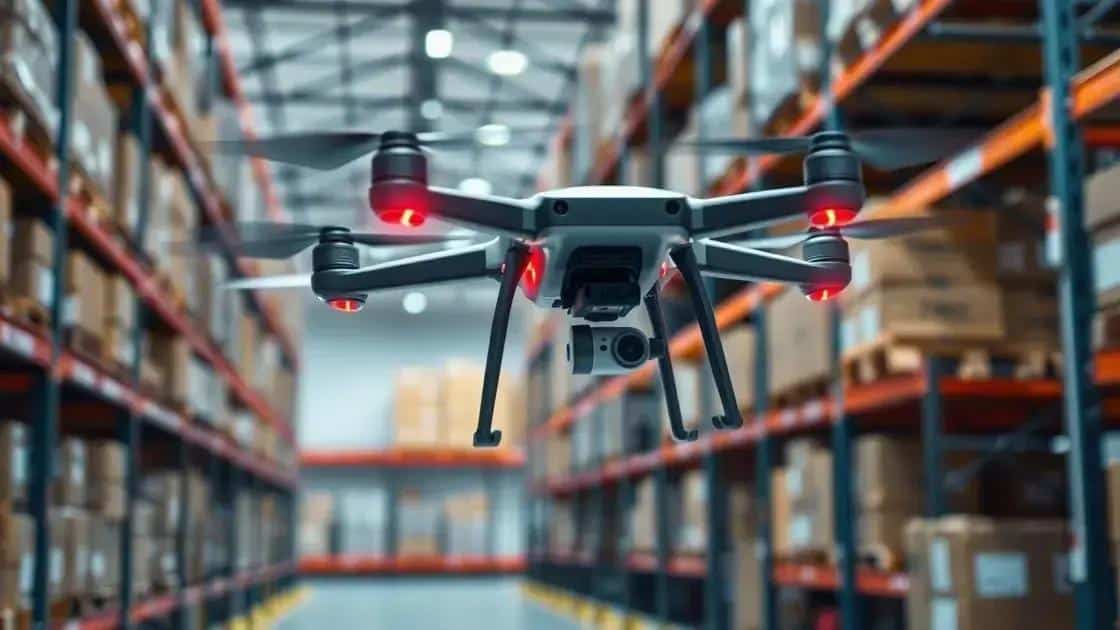
The benefits of using drones for inventory management are substantial, making this technology an exciting option for businesses. Drones streamline the inventory process, offering speed and accuracy in ways that traditional methods cannot.
Improved Accuracy in Inventory Counts
Using drones leads to a remarkable reduction in human error during stock counts. Drones are equipped with advanced sensors and cameras, enabling them to capture precise data. This ensures that what is recorded in the system matches the actual stock present in the warehouse.
Time Efficiency
One key advantage is the significant time savings. Drones can complete inventory checks much faster than employees manually counting items. This efficiency allows staff to focus on more strategic tasks that can further enhance business operations.
- Speed: Drones can scan an entire warehouse in a fraction of the time it takes for a manual count.
- Real-Time Data: Drones provide immediate access to inventory data, which helps in making quicker business decisions.
- Cost Reduction: Less time spent on inventory means lower labor costs for businesses.
- Safety: Drones can reach high shelves without risking employee safety.
An additional advantage is the integration capability of drones with existing inventory management systems. This allows businesses to update their stock levels seamlessly as data is collected, improving the overall efficiency of inventory management processes. When a drone identifies low stock, alerts can be automated to trigger restocking processes, further streamlining operations.
The use of drones also enhances visibility and transparency throughout the supply chain. Stakeholders can easily access inventory data, making it easier to manage stock levels and customer demands. This connectivity boosts confidence in forecasting and planning.
Adapting to Future Needs
As industries evolve, businesses must adapt to stay competitive. Adopting drone-based inventory management not only meets current demands but also prepares your operations for future advancements in technology. This adaptability ensures that your business remains agile and capable of responding swiftly to changing market conditions.
How to implement drone scanning in your business
Implementing drone scanning in your business requires careful planning and execution to ensure a smooth transition. Understanding the steps involved can help you leverage this technology effectively for inventory management.
Assessing Your Needs
The first step in implementation is to assess your specific needs. Consider the size of your warehouse, the types of products you manage, and the frequency of inventory checks. This assessment will guide you in selecting the right drone model and equipment that fits your operations.
Choosing the Right Drone
There are various types of drones available, each designed for different purposes. When selecting a drone, look for features such as:
- Camera Quality: High-resolution cameras produce clearer images.
- Flight Time: Longer battery life allows for extended scanning sessions.
- Payload Capacity: Ensure the drone can carry necessary equipment.
- GPS Accuracy: Reliable GPS improves scanning precision.
Once you have chosen your drone, ensure it complies with local regulations regarding drone usage. This includes understanding no-fly zones, necessary permits, and safety protocols to follow during operations.
Training Your Team
Training is essential for effective drone scanning. Your team needs to understand how to operate the drones safely and efficiently. This includes learning how to interpret data gathered by the drones and integrate it into your inventory management systems. Consider hands-on training sessions that allow team members to practice in a controlled environment.
Moreover, it’s important to educate your team about the benefits of using drone scanning. When employees see how drones can enhance productivity, they are more likely to embrace the technology.
Integrating with Existing Systems
A crucial part of the implementation process is integrating the drone data with your existing inventory management system. Ensure that your software can accept data inputs from the drone effectively. This integration streamlines the workflow, allowing you to update inventory levels in real time and respond quickly to stock needs.
Continuous monitoring is critical after implementation. Regularly review the drone’s performance and make adjustments as needed. This might involve software updates or drone maintenance to optimize operations, ensuring that the technology remains beneficial.
Future trends in drone technology for inventory
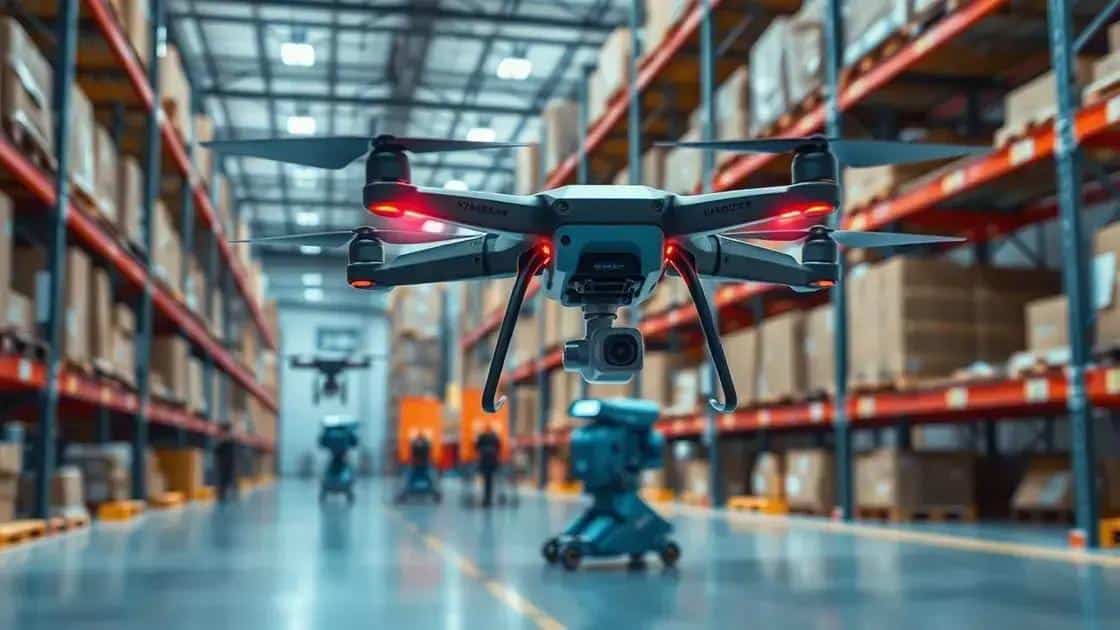
Future trends in drone technology for inventory promise exciting advancements that can further revolutionize the way businesses manage their stock. As technology evolves, drones will become more integrated into everyday operations, enhancing speed and efficiency.
Increased Autonomy
One significant trend is the movement toward increased autonomy in drone operations. Future drones will likely be able to perform inventory scans without much human intervention. With advanced AI algorithms, they can navigate complex warehouse layouts and make real-time decisions on the fly.
Enhanced Data Analytics
Another crucial trend is the improvement in data analytics capabilities. Drones will not only capture inventory data but also analyze it to provide actionable insights. Businesses can expect detailed reports on inventory trends, helping them make informed decisions.
- Predictive Analytics: Drones may forecast stock needs based on past data and trends.
- Real-Time Stock Updates: Immediate feedback will enhance inventory accuracy.
- Integration with IoT: Drones may communicate with other IoT devices for smarter operations.
As drones become more advanced, they will likely feature improved sensors that can assess not only quantities but also the conditions of products. This could save time and reduce waste by ensuring that damaged goods are spotted and addressed quickly.
Collaboration with Robotics
Another exciting development is the collaboration between drones and robotics in warehouses. Robots may be used alongside drones, handling the physical movement of stock while drones monitor and report on inventory health. This combination could create a highly efficient inventory management system.
The trend toward sustainability is also likely to influence the future of drone technology for inventory. Companies will develop eco-friendly drones that use less energy and minimize their carbon footprint. These greener options will align well with global sustainability goals.
In conclusion, staying up to date with these trends is essential for businesses aiming to maintain a competitive edge. Integrating new technologies can enhance operational efficiency and customer satisfaction while keeping businesses agile in an ever-evolving market.
FAQ – Frequently Asked Questions about Drone Technology for Inventory Management
What are the main benefits of using drones for inventory management?
Drones improve efficiency, accuracy, and provide real-time data, helping businesses manage their inventory more effectively.
How do drones enhance inventory accuracy?
Drones capture precise measurements and images of items, significantly reducing human errors during stock counts.
What should I consider when implementing drone technology?
Consider factors such as the size of your warehouse, the type of drone needed, and training for staff on safe operations.
How can drones integrate with existing inventory systems?
Drones can be connected to inventory management software, updating stock levels automatically as they scan items.