Corporate Fleet Electrification: A Transformative Shift Towards Green Logistics
In a landmark announcement that signals a pivotal moment for global sustainability, more than 50 of the world’s leading corporations have publicly committed to an ambitious goal: electrifying 75% of their vast logistics fleets by the year 2030. This monumental pledge represents a significant acceleration in the transition towards sustainable transportation and underscores a growing corporate understanding of the critical role they play in combating climate change. The move towards Corporate Fleet Electrification is not merely a trend; it is a strategic imperative that promises to reshape the landscape of global commerce and environmental responsibility.
The implications of such a widespread commitment are profound, extending far beyond the immediate reduction in carbon emissions. It promises to catalyze innovation in electric vehicle (EV) technology, stimulate investment in charging infrastructure, and foster new economic opportunities within the green economy. This article delves into the intricacies of this pledge, exploring the motivations behind it, the challenges that lie ahead, and the transformative impact it is expected to have on industries worldwide.
The Driving Force Behind Corporate Fleet Electrification
The decision by these corporate giants to embrace Corporate Fleet Electrification is multifaceted, driven by a convergence of environmental, economic, and regulatory factors. Environmentally, the urgency to address climate change and reduce greenhouse gas emissions is paramount. Transportation, particularly heavy-duty logistics, is a significant contributor to global carbon footprints. By transitioning to electric vehicles, these corporations aim to drastically cut their operational emissions, contributing to cleaner air and healthier communities.
Economically, the business case for electric fleets is becoming increasingly compelling. While the initial capital investment for EVs can be higher than their fossil-fuel counterparts, the long-term operational savings are substantial. Electric vehicles typically boast lower fuel costs, reduced maintenance expenses due to fewer moving parts, and potential access to various government incentives and tax credits. These financial advantages, coupled with a desire to future-proof their operations against fluctuating fuel prices and carbon taxes, make electrification an attractive proposition.
Furthermore, consumer and investor pressure for corporate social responsibility (CSR) is escalating. Modern consumers are increasingly conscious of a company’s environmental impact, often favoring brands that demonstrate a genuine commitment to sustainability. Similarly, investors are increasingly screening companies for their ESG (Environmental, Social, and Governance) performance, with sustainable practices often correlating with long-term financial stability and growth. Therefore, embracing Corporate Fleet Electrification is also a strategic move to enhance brand reputation, attract ethical investors, and meet evolving stakeholder expectations.
The Pledge: A Closer Look at the 75% Target by 2030
The commitment to electrify 75% of logistics fleets by 2030 is particularly ambitious, especially given the current state of electric vehicle technology and infrastructure for heavy-duty applications. This target signifies a bold leap rather than incremental change. It suggests that these corporations are not just looking to dabble in electric vehicles but are planning a fundamental overhaul of their transportation networks.
The ‘logistics fleets’ encompass a wide range of vehicles, from last-mile delivery vans to regional and potentially long-haul trucks. Achieving 75% electrification across such a diverse fleet will require significant investment in vehicle procurement, charging infrastructure development, and workforce training. This collective goal also creates a powerful market signal, indicating a strong demand for more advanced, cost-effective, and robust electric commercial vehicles, which will undoubtedly spur innovation within the automotive industry.
The year 2030 is also a critical benchmark for many global climate targets, including those outlined in the Paris Agreement. By aligning their fleet electrification goals with these broader environmental objectives, these corporations are positioning themselves as leaders in the fight against climate change, setting a precedent for others to follow. This coordinated effort among multiple industry leaders could create a domino effect, encouraging more companies to adopt similar targets and accelerate the global transition to electric transportation.
Challenges and Hurdles in Corporate Fleet Electrification
While the commitment to Corporate Fleet Electrification is commendable, the path to achieving 75% electrification by 2030 is not without its challenges. Several significant hurdles need to be addressed to ensure the successful implementation of these ambitious plans.
Infrastructure Development
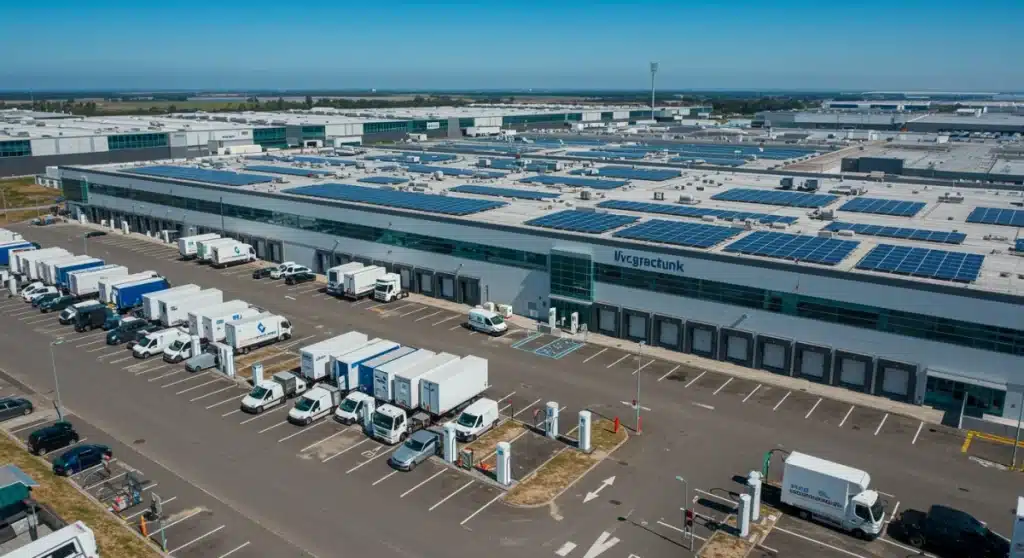
Perhaps the most pressing challenge is the development of adequate charging infrastructure. Large logistics fleets require extensive and reliable charging solutions that can support hundreds or even thousands of vehicles daily. This includes not only the physical charging stations but also upgrades to electrical grids, sophisticated energy management systems to handle peak demand, and potentially on-site renewable energy generation to power these charging hubs. The sheer scale and complexity of this infrastructure build-out will require significant investment and coordinated effort between corporations, energy providers, and local governments.
Vehicle Availability and Cost
While the market for electric passenger vehicles has matured considerably, the availability of a full range of heavy-duty electric commercial vehicles that meet the specific operational requirements of diverse logistics fleets is still evolving. Companies need electric trucks and vans with sufficient range, payload capacity, and charging speeds to match the demands of their delivery routes. Furthermore, the upfront cost of these vehicles remains a barrier for some, despite the long-term operational savings. Continued innovation and economies of scale are needed to bring down vehicle prices and increase their accessibility.
Battery Technology and Range Anxiety
Battery technology is central to the performance of electric vehicles. For logistics operations, battery longevity, energy density (to maximize range), and charging speed are critical. Companies often face ‘range anxiety,’ concerns that electric vehicles may not be able to complete their routes without needing to recharge, leading to operational inefficiencies. Advances in battery technology, including solid-state batteries and faster charging solutions, will be crucial in overcoming this challenge and expanding the practical application of electric fleets.

Grid Capacity and Energy Management
The widespread adoption of electric fleets will place significant demands on existing electrical grids. Managing this increased load, especially during peak charging times, will necessitate smart grid technologies, demand-side management strategies, and potentially localized energy storage solutions. Corporations will need to work closely with utility companies to ensure that their charging needs can be met without compromising grid stability or incurring exorbitant energy costs.
Workforce Training and Adaptation
Transitioning to electric fleets also requires a skilled workforce capable of operating, maintaining, and repairing these new vehicles. Mechanics will need specialized training in electrical systems, battery management, and software diagnostics. Drivers may also need to adapt to different driving dynamics and charging routines. Investing in training programs and upskilling existing employees will be vital for a smooth transition.
The Benefits of Embracing Corporate Fleet Electrification
Despite the challenges, the benefits of Corporate Fleet Electrification are compelling and far-reaching, offering significant advantages for businesses, the environment, and society as a whole.
Environmental Impact and Emissions Reduction
The most immediate and impactful benefit is the drastic reduction in greenhouse gas emissions and local air pollutants. Electric vehicles produce zero tailpipe emissions, leading to cleaner air in urban areas and a significant reduction in a company’s overall carbon footprint. This directly contributes to global efforts to combat climate change and improves public health outcomes, particularly in communities located near logistics hubs and busy transportation corridors.
Operational Cost Savings
As mentioned earlier, the long-term operational cost savings are a major draw. Reduced fuel costs, especially with the volatility of fossil fuel prices, provide greater budget predictability. Lower maintenance requirements for EVs, which have fewer moving parts and require no oil changes, translate into significant savings on parts and labor over the vehicle’s lifespan. These savings can offset the initial investment and improve a company’s bottom line.
Enhanced Brand Reputation and Customer Loyalty
Companies that prioritize sustainability and proactively adopt green technologies like electric fleets often see a boost in their brand reputation. This resonates with environmentally conscious consumers and can lead to increased customer loyalty and market share. Being perceived as a leader in sustainability can also attract top talent, as employees increasingly seek out companies that align with their values.
Innovation and Competitive Advantage
Embracing Corporate Fleet Electrification often pushes companies to innovate in other areas, such as route optimization, energy management, and supply chain efficiency. This drive for innovation can lead to new operational efficiencies and a competitive edge in the marketplace. Early adopters also gain valuable experience and expertise in managing electric fleets, positioning them as industry leaders as the transition accelerates.
Regulatory Compliance and Future-Proofing
With increasingly stringent environmental regulations being enacted globally, investing in electric fleets helps companies stay ahead of the curve and ensures compliance with future emissions standards. This proactive approach can mitigate risks associated with potential carbon taxes, emission penalties, and the eventual phasing out of internal combustion engine vehicles, effectively future-proofing their logistics operations.
Strategies for Successful Corporate Fleet Electrification
To successfully achieve the ambitious 75% electrification target by 2030, corporations will need to adopt comprehensive and strategic approaches. Here are key strategies vital for effective Corporate Fleet Electrification:
Pilot Programs and Phased Rollouts
Instead of an immediate, full-scale overhaul, many companies are starting with pilot programs to test electric vehicle performance, assess charging infrastructure needs, and gather data on operational costs and efficiencies. A phased rollout allows for learning and adaptation, enabling companies to scale up their electrification efforts based on real-world experience and optimize their strategies.
Strategic Partnerships
Collaboration will be crucial. Corporations are forming strategic partnerships with EV manufacturers, charging infrastructure providers, energy companies, and technology firms. These partnerships can facilitate access to cutting-edge technology, streamline infrastructure development, and ensure a reliable supply of renewable energy to power electric fleets. Working with local governments and urban planners can also help address grid integration challenges and secure necessary permits.
Investment in Charging Infrastructure
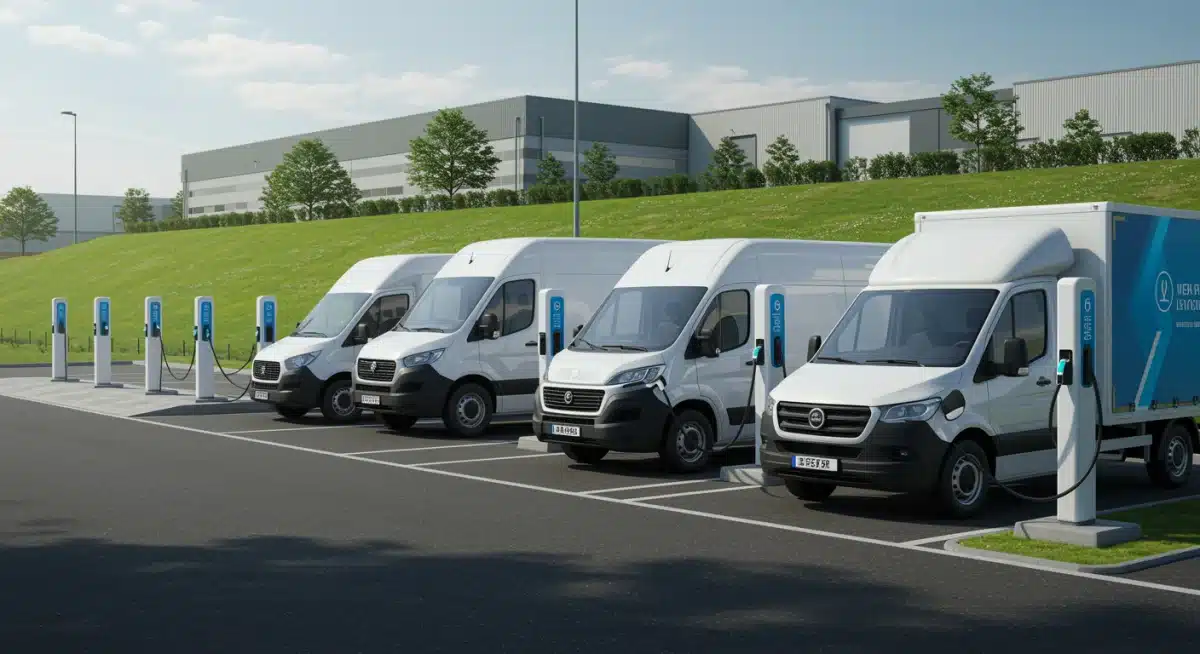
A dedicated and substantial investment in robust charging infrastructure is non-negotiable. This includes not only Level 2 and DC fast chargers at depots but also potential en-route charging solutions for longer hauls. Companies are exploring smart charging systems that optimize charging times to take advantage of off-peak electricity rates and minimize grid strain. Integrating renewable energy sources like solar panels at charging depots can further enhance sustainability and reduce operational costs.
Data-Driven Decision Making
Leveraging data analytics will be essential for optimizing fleet operations. Telematics data from electric vehicles can provide insights into route efficiency, battery performance, energy consumption, and charging patterns. This data can inform decisions on vehicle procurement, route planning, charging schedules, and maintenance strategies, ensuring maximum efficiency and cost-effectiveness of the electric fleet.
Employee Engagement and Training
Engaging employees, particularly drivers and maintenance staff, in the transition process is critical. Providing comprehensive training on operating electric vehicles, understanding charging protocols, and performing specialized maintenance will ensure a smooth transition and foster a sense of ownership. Employee feedback can also be invaluable in identifying and addressing practical challenges.
The Future of Green Logistics and Corporate Responsibility
The commitment by over 50 major corporations to electrify 75% of their logistics fleets by 2030 marks a significant milestone in the journey towards sustainable business practices and green logistics. This collective effort is poised to accelerate the development and adoption of electric vehicle technology, drive investment in renewable energy infrastructure, and set new benchmarks for corporate environmental responsibility.
As these corporations move forward with their Corporate Fleet Electrification initiatives, the ripple effects will be felt across industries. It will inspire smaller businesses to consider similar transitions, create a more robust market for electric commercial vehicles, and ultimately contribute to a healthier planet. The vision of cleaner, quieter, and more efficient logistics operations is becoming a tangible reality, demonstrating that environmental stewardship and economic prosperity can indeed go hand in hand.
The coming years will be crucial in observing the progress and impact of these pledges. Success will depend on sustained commitment, continuous innovation, strategic partnerships, and a willingness to adapt to emerging technologies and evolving market conditions. However, the bold step taken by these corporate leaders provides a powerful testament to the transformative potential of collective action in addressing one of the most pressing challenges of our time: building a sustainable future for all.
Conclusion: A New Era for Sustainable Transportation
The announcement from over 50 major corporations to electrify a significant portion of their logistics fleets by 2030 is more than just news; it’s a declaration of a new era. An era where Corporate Fleet Electrification is not just an aspiration but a concrete, measurable goal. This commitment reflects a mature understanding of environmental responsibility and the undeniable economic benefits associated with sustainable practices. It also highlights the growing realization that businesses have a crucial role to play in shaping a greener future.
The journey to 75% electrification by 2030 will undoubtedly present its share of complexities, from the massive undertaking of infrastructure development to the ongoing evolution of battery technology. Yet, the collective will and resources of these leading companies, coupled with the accelerating pace of technological innovation, provide a strong foundation for success. The benefits, including drastically reduced emissions, significant operational cost savings, enhanced brand reputation, and a more resilient supply chain, far outweigh the challenges.
Ultimately, this ambitious pledge serves as a powerful beacon, inspiring other corporations, governments, and individuals to accelerate their own efforts towards sustainability. It demonstrates that large-scale, impactful change is not only possible but is actively being pursued by those at the forefront of global commerce. As we move closer to 2030, the transformation of corporate logistics fleets into electric powerhouses will stand as a testament to human ingenuity and a collective commitment to a healthier, more sustainable world. This is not merely an investment in electric vehicles; it is an investment in the future of our planet and the well-being of generations to come.