Cold Chain Logistics: Reducing Spoilage in the US by 5% with New Tech
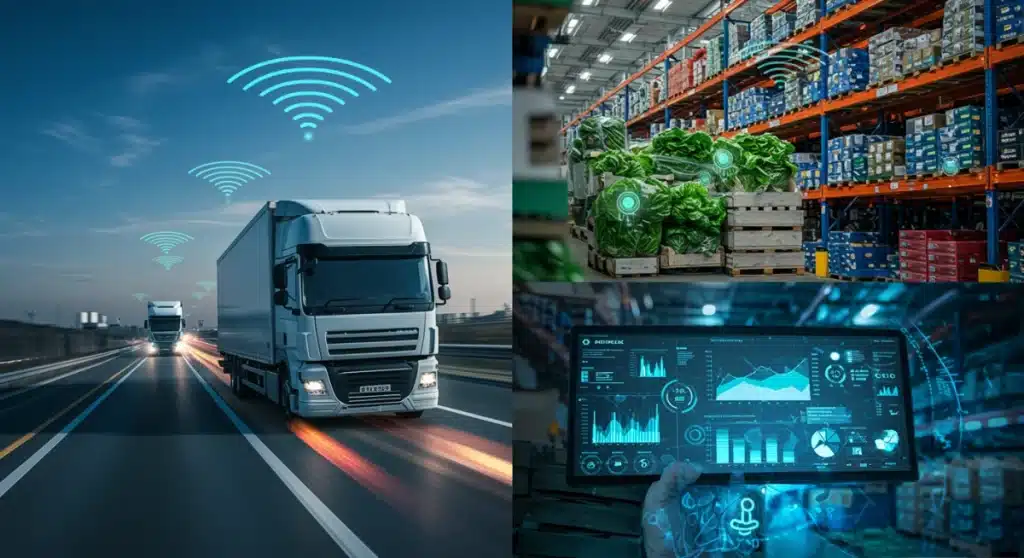
The integrity of the cold chain is paramount for a vast array of industries, from pharmaceuticals and chemicals to, most notably, food and beverages. In the United States, the sheer scale of the food supply chain alone means that any inefficiency or spoilage translates into significant economic losses and environmental impact. Recognizing this critical challenge, the industry is setting ambitious targets, with a particular focus on achieving a 5% reduction in spoilage by 2026 through the strategic adoption of new technologies. This goal is not merely aspirational; it is a vital step towards enhancing food security, reducing waste, and bolstering the overall resilience and sustainability of the nation’s supply chain. The journey toward this objective is multifaceted, involving a blend of innovative technological solutions, refined operational practices, and a collaborative spirit across all stakeholders in the cold chain.
The current landscape of cold chain logistics in the U.S. is complex, characterized by diverse geographical challenges, varying product requirements, and a labyrinth of regulations. Traditional methods, while foundational, often fall short in providing the real-time visibility and proactive control needed to mitigate risks effectively. This is where the integration of cutting-edge technologies becomes indispensable. From the farm gate to the consumer’s table, every segment of the cold chain stands to benefit from advancements that offer greater precision, transparency, and responsiveness. The drive to reduce spoilage by 5% represents a collective commitment to overcoming these challenges, leveraging the power of innovation to create a more efficient, reliable, and sustainable cold chain infrastructure.
This article will delve into the transformative power of new technologies in optimizing cold chain logistics. We will explore how solutions like the Internet of Things (IoT), Artificial Intelligence (AI), and blockchain are not just buzzwords but practical tools that are reshaping how temperature-sensitive goods are handled, transported, and stored. Furthermore, we will examine the critical role of data analytics, advanced packaging, and sustainable practices in achieving the ambitious 2026 spoilage reduction target. By understanding these innovations and their applications, businesses can better navigate the evolving landscape of cold chain management, ensuring product quality, minimizing waste, and contributing to a more sustainable future.
The Economic and Environmental Imperative for Cold Chain Optimization
The motivation behind the ambitious goal of reducing spoilage in the U.S. cold chain by 5% by 2026 is deeply rooted in both economic necessity and environmental responsibility. The economic implications of spoilage are staggering. Annually, billions of dollars worth of temperature-sensitive products, particularly food, are lost due to inadequate cold chain management. These losses are absorbed at various points along the supply chain – by producers, transporters, retailers, and ultimately, consumers through higher prices. For businesses, this translates to reduced profitability, increased operational costs, and damage to brand reputation. The direct financial impact is undeniable, but the ripple effects extend much further, affecting market stability and competitiveness.
Beyond the immediate financial costs, the environmental footprint of cold chain spoilage is equally compelling. Wasted food, for instance, represents a colossal squandering of resources, including water, land, and energy used in its production, processing, and transportation. When food spoils and is discarded, it often ends up in landfills, where it decomposes and releases methane, a potent greenhouse gas that contributes significantly to climate change. Reducing spoilage by 5% would therefore not only alleviate economic pressures but also make a substantial contribution to environmental sustainability, aligning with broader national and global efforts to combat climate change and conserve natural resources. This dual imperative underscores the urgency and importance of effective cold chain optimization.
Furthermore, the COVID-19 pandemic highlighted the vulnerabilities and critical importance of a robust cold chain. The global distribution of vaccines, many of which required ultra-cold storage, underscored the need for resilient and efficient temperature-controlled logistics. This experience accelerated investment and innovation in the sector, emphasizing that a well-functioning cold chain is not just about preventing financial losses but also about safeguarding public health and ensuring the availability of essential goods during crises. The 5% spoilage reduction target, therefore, reflects a strategic commitment to building a more resilient, efficient, and sustainable cold chain infrastructure capable of meeting future challenges.
Leveraging IoT for Unprecedented Visibility and Control in Cold Chain Optimization
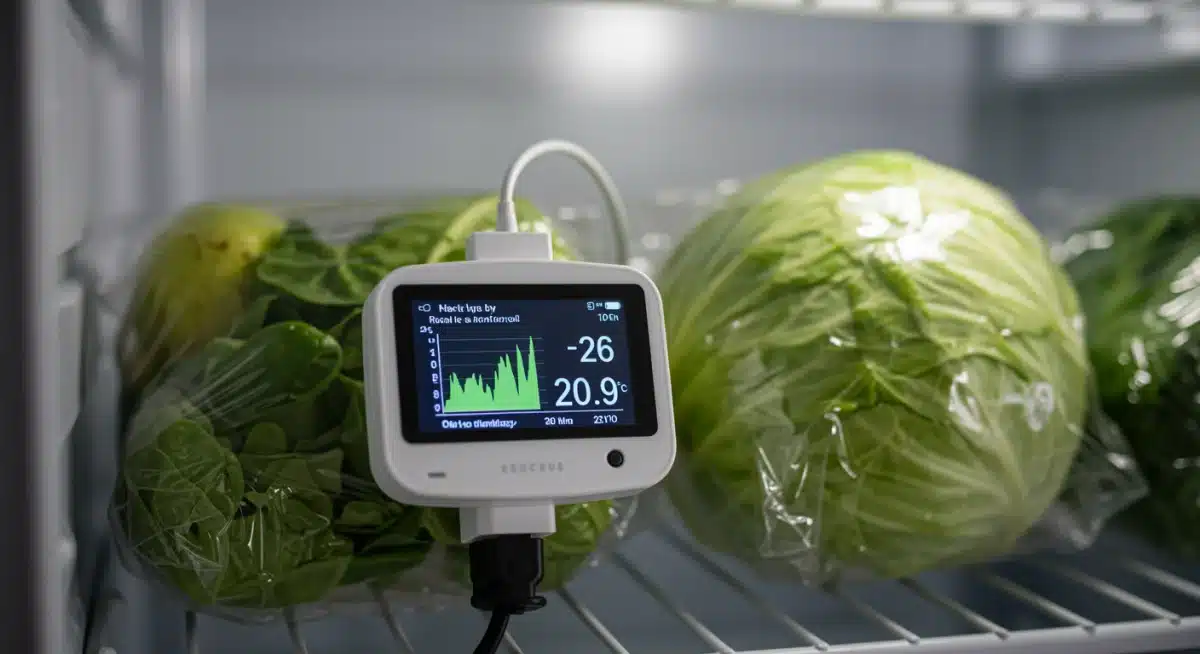
The Internet of Things (IoT) stands at the forefront of technological advancements driving cold chain optimization. IoT devices, essentially smart sensors and trackers, are revolutionizing how temperature-sensitive goods are monitored and managed throughout their journey. These devices can be embedded directly into packaging, containers, and vehicles, continuously collecting and transmitting critical data such as temperature, humidity, light exposure, and even shock. This constant stream of information provides unprecedented real-time visibility into the conditions of products, from the moment they leave the production facility until they reach their final destination.
The power of IoT lies in its ability to enable proactive rather than reactive management. Instead of discovering spoilage upon arrival, logistics managers can receive instant alerts if conditions deviate from predefined parameters. For example, if the temperature inside a refrigerated truck begins to rise above a safe threshold, an alert can be triggered, allowing for immediate intervention. This could involve adjusting refrigeration settings, rerouting the shipment to a closer facility for inspection, or even initiating a controlled recall before widespread spoilage occurs. Such capabilities are crucial for achieving the 5% spoilage reduction target by minimizing losses due to environmental fluctuations or equipment malfunctions.
Beyond simple alerts, IoT data can be aggregated and analyzed to identify patterns and predict potential risks. By understanding which routes or storage points are more prone to temperature excursions, companies can optimize their logistics networks, improve equipment maintenance schedules, and train personnel more effectively. This predictive analytical capability transforms cold chain management from a series of isolated events into a data-driven, continuously improving system. The integration of IoT sensors also fosters greater accountability across the supply chain, as detailed, immutable records of environmental conditions are maintained, providing a clear audit trail for compliance and quality assurance. This level of granular control and insight is indispensable for modern cold chain optimization.
The Role of Artificial Intelligence (AI) in Predictive Analytics and Route Optimization
While IoT provides the raw data, Artificial Intelligence (AI) is the engine that transforms this data into actionable insights, playing a pivotal role in cold chain optimization. AI algorithms can process vast quantities of data from IoT sensors, weather forecasts, traffic conditions, historical performance, and even market demand to make highly accurate predictions and recommendations. This predictive power is instrumental in preventing spoilage before it even occurs, moving beyond reactive responses to proactive management strategies.
One of the most significant applications of AI in cold chain logistics is predictive analytics for spoilage. By analyzing historical temperature data, transit times, and product characteristics, AI models can predict the likelihood of spoilage for specific shipments under various conditions. This allows logistics providers to prioritize sensitive cargo, adjust handling procedures, or even choose alternative routes that minimize exposure to adverse conditions. For instance, if a perishable product has a known sensitivity to temperature fluctuations and the AI predicts a high probability of such an event on a particular route, an alternative, more stable route can be recommended, directly contributing to the 5% spoilage reduction goal.
AI also excels in route optimization, a critical component of efficient cold chain management. Traditional route planning often relies on static maps and historical data, which can quickly become outdated. AI-powered systems, however, can dynamically optimize routes in real-time by considering live traffic updates, weather patterns, road closures, and even the remaining shelf life of the products being transported. This ensures that goods arrive at their destination not only on time but also having maintained optimal conditions throughout their journey. By minimizing transit times and avoiding delays, AI significantly reduces the risk of temperature excursions and, consequently, spoilage.
Furthermore, AI can enhance inventory management within cold storage facilities. By predicting demand fluctuations and optimizing storage layouts based on product sensitivity and turnaround times, AI minimizes dwell times and ensures that products are rotated efficiently, preventing items from expiring before they are shipped. The ability of AI to learn and adapt from continuous data input means that these systems become increasingly intelligent and effective over time, constantly refining their recommendations and contributing to sustained improvements in cold chain efficiency and spoilage reduction.
Blockchain for Enhanced Transparency and Traceability
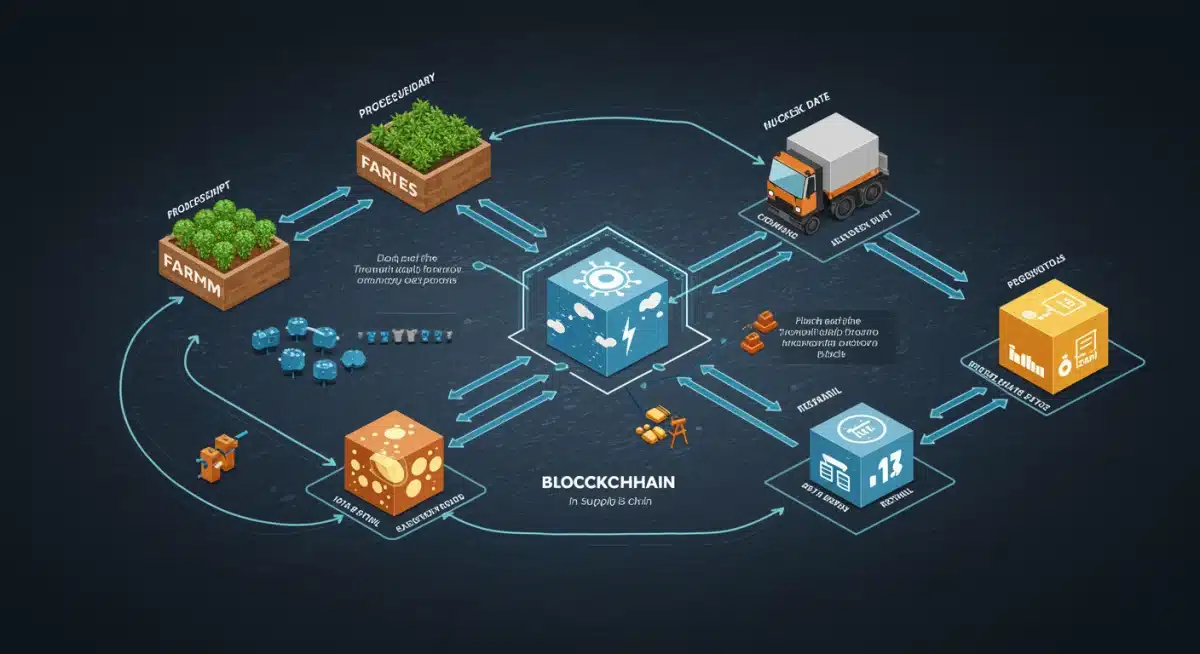
In the complex web of global supply chains, ensuring the authenticity, safety, and integrity of temperature-sensitive goods is a major challenge. Blockchain technology offers a groundbreaking solution by providing an immutable, transparent, and distributed ledger that records every transaction and event in the cold chain. This enhanced transparency and traceability are crucial for building trust, improving accountability, and ultimately contributing to the goal of 5% spoilage reduction by allowing for rapid identification and rectification of issues.
For cold chain logistics, blockchain can record every step a product takes, from its origin to its destination. This includes details such as harvesting dates, processing information, temperature readings from IoT sensors at various checkpoints, transit times, and even quality control checks. Each piece of information is encrypted and added as a ‘block’ to the chain, creating a permanent and verifiable record that cannot be altered. This means that all stakeholders – producers, carriers, distributors, retailers, and even consumers – can access a single, consistent version of the truth regarding a product’s journey and conditions.
The primary benefit of blockchain in this context is its ability to pinpoint exactly where and when an issue occurred. If a batch of products is found to be spoiled, blockchain records can quickly reveal the specific segment of the cold chain where temperature deviations or other problems arose. This allows for targeted interventions, whether it’s addressing a faulty refrigeration unit, retraining personnel at a particular facility, or identifying a problematic transport partner. This rapid issue identification minimizes the scope of potential recalls, reduces waste, and protects consumer safety, directly supporting cold chain optimization efforts.
Moreover, blockchain fosters greater accountability among supply chain participants. Knowing that all actions are recorded on an immutable ledger encourages adherence to best practices and compliance with temperature requirements. Smart contracts, an extension of blockchain technology, can automatically trigger payments or penalties based on predefined conditions recorded on the chain, such as successful delivery within specified temperature ranges. This automation reduces administrative overhead and disputes, streamlining operations and further enhancing the efficiency and reliability of the cold chain, bringing us closer to that 5% spoilage reduction target.
Advanced Packaging Solutions and Sustainable Practices
While digital technologies like IoT, AI, and blockchain are revolutionizing cold chain management, physical innovations in packaging and a commitment to sustainable practices are equally essential for achieving the 5% spoilage reduction goal. Advanced packaging solutions are designed to provide superior insulation, extend shelf life, and protect products from physical damage and environmental factors during transit and storage.
Innovations in packaging include phase-change materials (PCMs) that absorb and release thermal energy to maintain a stable temperature range for extended periods without external power. Vacuum insulation panels (VIPs) offer significantly better thermal performance than traditional insulation materials, allowing for smaller, lighter, and more efficient cold chain containers. Smart packaging, which integrates sensors and indicators directly into the packaging material, can provide visual cues about product freshness or whether critical temperature thresholds have been breached, offering an additional layer of assurance to retailers and consumers.
Beyond technological enhancements, the adoption of sustainable practices throughout the cold chain is critical. This includes optimizing refrigeration systems for energy efficiency, transitioning to renewable energy sources for cold storage facilities, and implementing strategies to reduce refrigerant leaks, which are potent greenhouse gases. Furthermore, rethinking packaging materials to be recyclable, biodegradable, or reusable reduces environmental impact and aligns with broader corporate social responsibility objectives. The pursuit of cold chain optimization is not just about efficiency; it’s about building a future-proof system that is environmentally conscious.
The synergy between advanced packaging and sustainable operations contributes directly to spoilage reduction. Better insulation means less energy consumption to maintain desired temperatures and a reduced risk of temperature excursions. Sustainable sourcing and waste reduction strategies minimize the overall environmental footprint of the cold chain, while also enhancing product integrity. By integrating these practices, businesses can achieve significant gains in both operational efficiency and environmental stewardship, making the 5% spoilage reduction by 2026 a more attainable and impactful goal.
Data Analytics and Predictive Maintenance for Cold Chain Optimization
The sheer volume of data generated by IoT sensors, combined with historical operational data, presents an invaluable resource for cold chain optimization. Data analytics, powered by sophisticated algorithms, is the key to extracting meaningful insights from this data, moving beyond simple monitoring to predictive maintenance and continuous improvement. This proactive approach is fundamental to achieving the ambitious 5% spoilage reduction target by preventing equipment failures and optimizing operational efficiency.
Predictive maintenance, enabled by data analytics, is a game-changer for refrigeration units and other temperature-sensitive equipment. Instead of adhering to fixed maintenance schedules or waiting for equipment to fail (reactive maintenance), sensors continuously monitor the performance of assets like compressors, fans, and thermostats. AI algorithms analyze this data to detect subtle anomalies or deviations from normal operating parameters that might indicate impending failure. This allows maintenance teams to schedule repairs or replacements precisely when they are needed, before a breakdown occurs, thereby preventing costly downtime and potential spoilage of valuable cargo.
Beyond equipment maintenance, data analytics provides a holistic view of cold chain performance. By analyzing data from various sources – including transit times, temperature logs, delivery success rates, and even customer feedback – businesses can identify bottlenecks, inefficiencies, and areas of high risk within their supply chain. For example, data might reveal that certain routes consistently experience temperature fluctuations at specific times of day, prompting adjustments in scheduling or insulation for those routes. This continuous feedback loop allows for ongoing optimization and refinement of cold chain processes.
Furthermore, data analytics can inform strategic decisions, such as warehouse location planning, fleet sizing, and the selection of logistics partners. By understanding the true costs and risks associated with different operational choices, companies can make data-driven decisions that enhance efficiency, reduce costs, and minimize spoilage. The ability to forecast demand more accurately, optimize inventory levels, and predict potential disruptions also contributes significantly to a more resilient and less wasteful cold chain. Therefore, robust data analytics capabilities are not just an advantage but a necessity for any organization committed to leading in cold chain optimization.
Regulatory Compliance and Industry Standards in the Evolving Cold Chain
The advancements in cold chain technology and the drive for spoilage reduction are inextricably linked with the evolving landscape of regulatory compliance and industry standards. In the U.S., various federal and state regulations govern the handling, storage, and transportation of temperature-sensitive goods, particularly food and pharmaceuticals. Adherence to these standards is not only a legal requirement but also a critical component of maintaining product quality, ensuring consumer safety, and fostering public trust. The new technologies discussed are instrumental in simplifying compliance and raising overall industry benchmarks.
Regulations such as the Food Safety Modernization Act (FSMA) in the U.S. place a strong emphasis on preventative controls and traceability, particularly for food products. The ability of IoT sensors to provide continuous, verifiable temperature data and blockchain to create an immutable record of a product’s journey significantly aids compliance with these stringent requirements. Logistics providers can easily demonstrate that critical control points were monitored and maintained within specified limits, reducing the risk of regulatory penalties and enhancing their reputation as reliable partners.
Beyond government regulations, industry-specific standards and certifications (e.g., Good Distribution Practices for pharmaceuticals) often dictate best practices for cold chain management. These standards typically evolve to incorporate new technological capabilities and address emerging challenges. Companies that proactively adopt advanced cold chain technologies are often better positioned to meet or exceed these evolving standards, giving them a competitive edge and signaling a commitment to excellence. This alignment with high standards directly supports the goal of reducing spoilage, as robust compliance typically translates into better handling and storage practices.
Moreover, the data generated by advanced cold chain systems can be used to generate comprehensive audit trails and reports, simplifying the process of demonstrating compliance during inspections. This transparency not only benefits the businesses involved but also provides greater assurance to consumers about the safety and quality of the products they purchase. As the industry strives for a 5% reduction in spoilage by 2026, the synergy between technological innovation, stringent regulatory adherence, and proactive industry standards will be key to establishing a truly optimized and trustworthy cold chain.
The Future Outlook: Continuous Innovation and Collaboration
The journey towards achieving a 5% reduction in cold chain spoilage by 2026 is an ongoing testament to continuous innovation and the power of collaborative effort. The technologies discussed – IoT, AI, blockchain, advanced packaging, and sophisticated data analytics – are not static solutions but evolving fields that promise even greater efficiencies and capabilities in the years to come. The future of cold chain logistics in the U.S. will be characterized by further integration, enhanced autonomy, and an even stronger emphasis on sustainability.
We can anticipate the development of more sophisticated and miniaturized IoT sensors, potentially integrated directly into individual product units, providing hyper-granular data. AI algorithms will become even more adept at predictive modeling, perhaps even anticipating equipment failures or spoilage risks days or weeks in advance with remarkable accuracy. Blockchain networks will likely expand to encompass a broader range of supply chain participants, creating a truly interconnected and transparent ecosystem for temperature-sensitive goods. Furthermore, autonomous vehicles and drones, equipped with advanced cold storage capabilities, could revolutionize last-mile delivery, especially in challenging environments, further minimizing transit times and human error.
Crucially, the success of cold chain optimization hinges on robust collaboration across the entire supply chain. This includes producers, logistics providers, technology developers, retailers, and regulatory bodies. Sharing data, best practices, and technological insights will be vital to creating a harmonized and resilient cold chain network. Industry consortia and public-private partnerships will play an increasingly important role in driving research, setting new standards, and facilitating the widespread adoption of innovative solutions. The collective commitment to reducing spoilage is a shared responsibility that yields benefits for all stakeholders, from economic gains to environmental protection and enhanced consumer trust.
In conclusion, the goal of reducing cold chain spoilage in the U.S. by 5% by 2026 is not merely a target; it is a strategic imperative that is reshaping the logistics industry. By embracing and integrating new technologies, fostering a culture of data-driven decision-making, and committing to sustainable practices, the cold chain is evolving into a more intelligent, resilient, and efficient system. This transformation promises not only substantial economic benefits but also a significant positive impact on food security, public health, and environmental sustainability, paving the way for a more responsible and future-proof global supply chain.