
Supply Chain Disruptions Q4 2025: Impact on US Shipping Costs
This exclusive report delves into the significant supply chain disruptions of Q4 2025, revealing how they directly caused a 7% surge in U.S. consumer shipping costs by January 2026. Explore the contributing factors and the ripple effect on the economy.

USDOT $5 Billion Grant: Fueling Smart City Logistics 2026
The US Department of Transportation (USDOT) has unveiled a monumental $5 billion infrastructure grant program for Smart City Logistics in 2026. This initiative aims to revolutionize urban freight, enhance operational efficiency, and significantly contribute to sustainable city development. Discover the program's impact and how it will shape the future of urban logistics.
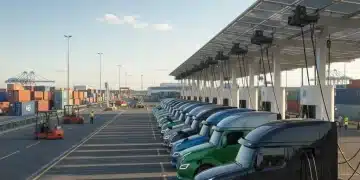
New Tax Incentives: Boosting Electric Truck Fleets to 20% by 2030
A Congressional Committee has proposed significant new tax incentives to drive the adoption of electric truck fleets, aiming for a 20% market share by 2030. This initiative seeks to revolutionize commercial transportation, offering substantial benefits and addressing key challenges facing fleet operators.

AI-Powered Route Optimization: 10% Delivery Time Reduction in US Metros
Early 2026 data reveals a significant 10% reduction in urban delivery times across major US metro areas, primarily driven by advanced AI-powered route optimization. This article explores the technology, its impact on logistics, and what this means for the future of urban deliveries.
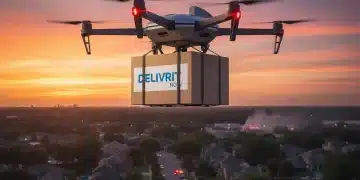
NTSB Urges Stricter Drone Delivery Regulations After US Incidents
Following recent incidents, the National Transportation Safety Board (NTSB) has issued urgent recommendations for enhanced drone delivery regulations in the United States. This article delves into the NTSB's concerns, proposed safety measures, and the potential impact on the burgeoning drone logistics industry.
US Logistics Giants Join Forces: Hydrogen Fueling Network Expansion
Leading US logistics firms have announced a landmark joint venture to develop a national hydrogen fueling network, aiming for 50 stations by 2028. This initiative marks a significant step towards decarbonizing the freight industry.
FAA Airspace Management: UAM Protocols Effective January 2026
The FAA is implementing new airspace management protocols for Commercial Urban Air Mobility (UAM) by January 2026. This comprehensive update aims to integrate eVTOLs and other advanced air vehicles safely into existing airspace, addressing critical operational and technological challenges for a new era of urban air travel.
US Ports Lead Green Shipping: 15% Rise in Sustainable Fuel Adoption Q4 2025
US ports are spearheading a green revolution in maritime logistics, with a 15% surge in sustainable fuel adoption during Q4 2025. This national trend underscores a commitment to decarbonization, driven by regulatory pressures, technological advancements, and increasing corporate responsibility.

Federal Agencies Report 25% Surge in Logistics Cyber Threats Since 2026
Federal agencies have reported a significant 25% increase in cyber threats targeting logistics networks since early 2026. This brief examines the escalating risks, common attack methods, and essential measures required to bolster the resilience of critical supply chain infrastructure.

Navigating Supply Chain Reshoring: Boosting Domestic Manufacturing
Supply chain reshoring is rapidly reshaping global economics, promising an 8% increase in domestic manufacturing output by 2026. This article delves into the drivers, benefits, and challenges of bringing production back home, offering insights for businesses and policymakers.