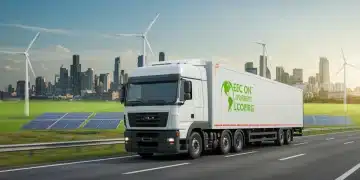
Carbon offset ride-sharing models: a sustainable future

Carbon offset ride-sharing models reduce carbon emissions by allowing users to share rides while financing environmental projects, promoting sustainable transportation practices.
Carbon offset ride-sharing models are gaining traction as environmentally conscious options in urban transportation. Have you ever thought about how your daily commute could contribute to a healthier planet? Let’s dive into this innovative approach.
Understanding carbon offset ride-sharing
Understanding carbon offset ride-sharing is essential as we move toward a more sustainable future. These models aim to reduce the carbon footprint associated with transportation by promoting the use of shared rides.
Carbon offset programs encourage rideshare companies to invest in projects that lower greenhouse gas emissions. Individuals can contribute by selecting options that allow them to offset their ride’s emissions, turning everyday travel into an opportunity for positive environmental impact. This concept is gaining traction as more people seek to engage in eco-friendly travel.
How Does Carbon Offsetting Work?
To grasp the importance of carbon offset ride-sharing, it’s helpful to understand how carbon offsetting works. Users pay a fee that goes toward environmental initiatives. Some initiatives include:
- Reforestation projects that absorb carbon dioxide.
- Investments in renewable energy sources.
- Support for sustainable agriculture practices.
By participating in these programs, riders actively contribute to reducing overall emissions while enjoying the convenience of ride-sharing services.
Benefits of Carbon Offset Ride-Sharing
There are numerous advantages to utilizing carbon offset ride-sharing models. Primarily, they help raise awareness about the environmental impacts of transportation. Moreover, these rides can:
- Encourage users to make eco-conscious travel choices.
- Boost the credibility of rideshare companies committed to sustainability.
- Create a community of environmentally-conscious travelers.
This shift not only benefits the environment but also enhances user experience, appealing to the growing market of eco-aware consumers. Carpooling and ridesharing not only reduce traffic congestion but also maximize vehicle use, which can further lower emissions.
As we embrace carbon offset ride-sharing, we pave the way for a future where convenience and sustainability go hand in hand. The decision to choose an eco-friendly ride can lead to substantial improvements in air quality and a reduction in carbon emissions, becoming a crucial part of our daily lives.
Benefits of carbon offset models

The benefits of carbon offset models are significant as they contribute to a greener planet while promoting sustainable practices. These models play a crucial role in combating climate change, making it essential to understand their impact.
One of the primary advantages is that they help reduce carbon emissions. By investing in projects that neutralize greenhouse gases, individuals and businesses can significantly lower their environmental footprint. This reduction aids in mitigating the effects of global warming, which affects everyone on the planet.
Economic Incentives
In addition to environmental benefits, carbon offset models offer several economic incentives:
- Cost savings from potential tax breaks for environmentally friendly practices.
- Improved company reputation leading to increased customer loyalty.
- Access to new markets that prioritize sustainability.
These financial advantages make the adoption of carbon offset initiatives appealing to businesses and individuals alike.
Encouraging Sustainable Practices
Utilizing carbon offset models encourages not only individual but also community-wide sustainable practices. Organizations that actively participate in these models tend to foster a culture of environmental responsibility. They inspire employees and customers to consider their own impacts on the environment. Educational campaigns about sustainability can thrive within such cultures, increasing awareness about ecological issues.
As the demand for eco-friendly options grows, businesses that invest in carbon offset initiatives can differentiate themselves in competitive markets. This process fosters a paradigm shift towards sustainability, benefiting society as a whole while reinforcing ecological values.
Challenges in the implementation of ride-sharing
Implementing ride-sharing models comes with several challenges that stakeholders must navigate. Understanding these hurdles is crucial for creating effective solutions that promote sustainable transportation.
One significant challenge is the regulatory environment. Different regions have varied rules governing ride-sharing services. These regulations can create barriers for companies trying to enter the market. Adapting to these laws often requires time and resources, making expansion difficult.
Safety and Trust Issues
Another critical concern lies in ensuring the safety of both drivers and passengers. Riders need to trust their drivers, while drivers must feel secure with their passengers. This relationship is vital for the success of ride-sharing models. Some ways to address safety issues include:
- Implementing background checks for drivers.
- Providing in-app safety features like emergency contacts.
- Encouraging users to leave reviews to build trust.
These measures can help build confidence among users, but they require ongoing effort and investment.
Market Competition
The ride-sharing industry is highly competitive. Numerous companies vie for users’ attention, making it challenging to establish a loyal customer base. Businesses must differentiate their services through unique features or pricing strategies. Additionally, they often need to invest in marketing to keep their services visible to potential customers.
Technological challenges also play a role in the implementation process. Companies must continually update their apps to ensure smooth user experiences. This requires a dedicated tech team and consistent funding to stay ahead of market expectations. Ensuring compatibility across various devices adds another layer of complexity.
Future trends in sustainable transportation
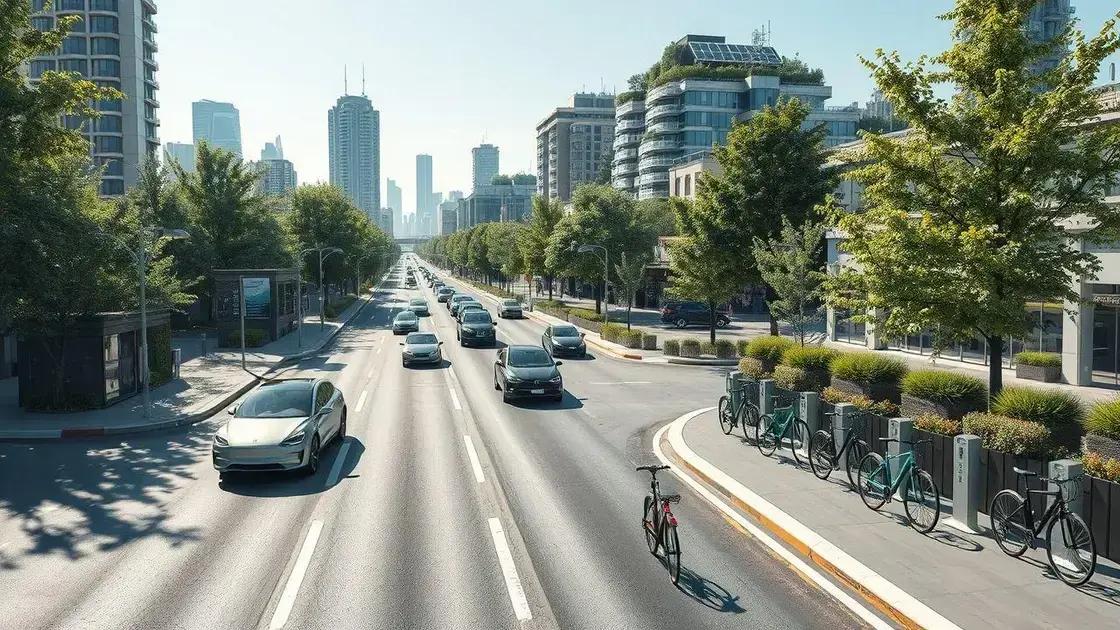
Future trends in sustainable transportation point towards innovative solutions that prioritize both environmental health and efficiency. As cities grow and populations increase, the need for eco-friendly transport options becomes more pressing.
One exciting development is the rise of electric vehicles (EVs). More consumers are choosing EVs, thanks to advancements in battery technology. These vehicles produce zero tailpipe emissions, which helps reduce air pollution and dependency on fossil fuels. Many governments are also providing incentives to encourage more people to switch to electric transportation.
Shared Mobility Solutions
Shared mobility solutions are becoming increasingly popular. These include services like bike-sharing and car-sharing that reduce the number of vehicles on the road. By allowing multiple users to share a single vehicle, these programs help lower emissions and traffic congestion. Many cities are implementing infrastructure to support these services, such as dedicated bike lanes and car-sharing parking spots.
- Enhanced public transportation networks for easier access.
- Integration of ride-sharing apps with public transit systems.
- Promotion of walking and biking as viable options.
These initiatives make it easier for people to select sustainable travel options, fostering a culture of eco-conscious commuting.
Autonomous Vehicles
Another key trend is the development of autonomous vehicles. Self-driving cars have the potential to revolutionize how we think about travel. They can optimize driving patterns to reduce fuel consumption and emissions. Moreover, autonomous technology can be integrated with existing ride-sharing models to create efficient, on-demand transportation networks.
As technology evolves, we can expect to see more innovations that enhance the sustainability of our transportation systems. Integration of renewable energy sources, like solar and wind, in powering public transport can further decrease the carbon footprint of these services.
In summary, carbon offset ride-sharing models offer numerous benefits for both individuals and the environment. They help reduce carbon emissions, promote community engagement, and encourage sustainable transportation. Despite the challenges in implementing these models, the future holds exciting possibilities. Incorporating electric vehicles, shared mobility solutions, and embracing technology can drive us toward a greener future. It’s essential for everyone to consider their role in this transition and actively participate in making sustainable choices today.
FAQ – Common Questions about Carbon Offset Ride-Sharing Models
What are carbon offset ride-sharing models?
They are transportation services that help balance out carbon emissions by funding environmental projects, promoting sustainable travel.
How do I benefit from using these models?
You actively participate in reducing your carbon footprint while enjoying the convenience of shared transportation.
What are some challenges in implementing ride-sharing?
Challenges include regulatory hurdles, safety concerns, and competition in the market that can impact service availability.
What future trends should I look for in sustainable transportation?
Expect to see more electric vehicles, shared mobility options, and advancements in autonomous technology aimed at enhancing eco-friendly travel.