Breaking news on shipping delays: what to know now
Shipping delays are primarily caused by port congestion, labor shortages, and global supply chain disruptions, significantly impacting both consumers and businesses.
In today’s fast-paced world, breaking news on shipping delays is more than just an inconvenience; it can impact your daily life. Have you noticed longer wait times for your online orders? This article sheds light on the reasons behind these delays and what you can do about it.
Current state of shipping delays
The current state of shipping delays is a significant concern for many. As our world becomes more interconnected, these delays impact everyone, from giant corporations to individual consumers. Understanding the reasons behind these delays is crucial for navigating today’s economic landscape.
Recent Trends in Shipping Delays
Shipping delays have surged over the past year. Factors such as port congestion and labor shortages have contributed to this growing issue. In recent months, we witnessed:
- A record number of ships waiting to dock at major ports.
- Increased transit times for goods traveling internationally.
- Rising shipping costs due to heightened demand.
The ripple effect of these delays can be felt across various sectors. For instance, industries ranging from electronics to clothing are facing challenges in maintaining stock levels. Consumers may find themselves waiting longer for orders that used to arrive promptly.
Impact on Different Industries
Every industry is affected by the shipping delays. Here are a few examples of how specific sectors are coping:
- Retail: Many retailers are struggling to keep shelves stocked, leading to limited product availability.
- Automotive: Parts shortages have delayed vehicle manufacturing, causing longer wait times for car purchases.
- Food and Beverage: Fresh produce is particularly vulnerable, with transportation issues impacting availability.
As consumers, we might feel frustrated, but it’s essential to remember that companies are working hard to find solutions. By staying informed, you can better understand the challenges in the supply chain and how they may affect you.
Causes behind the delays in shipping
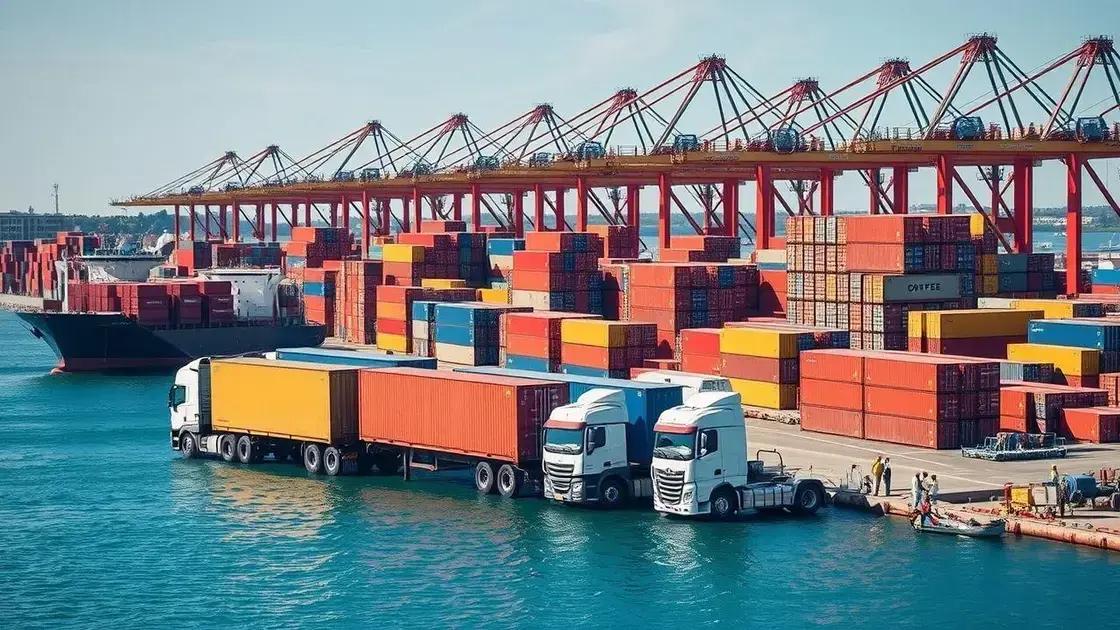
Understanding the causes behind the delays in shipping helps us grasp the complex nature of global trade. Various factors contribute to these disruptions, affecting delivery times and overall efficiency.
Port Congestion
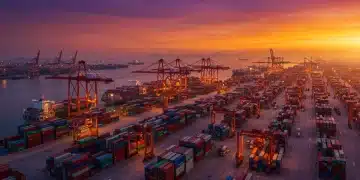
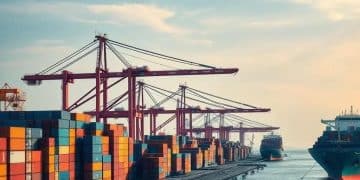
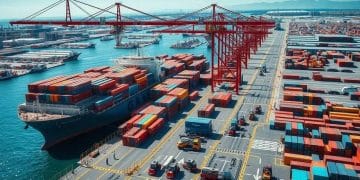
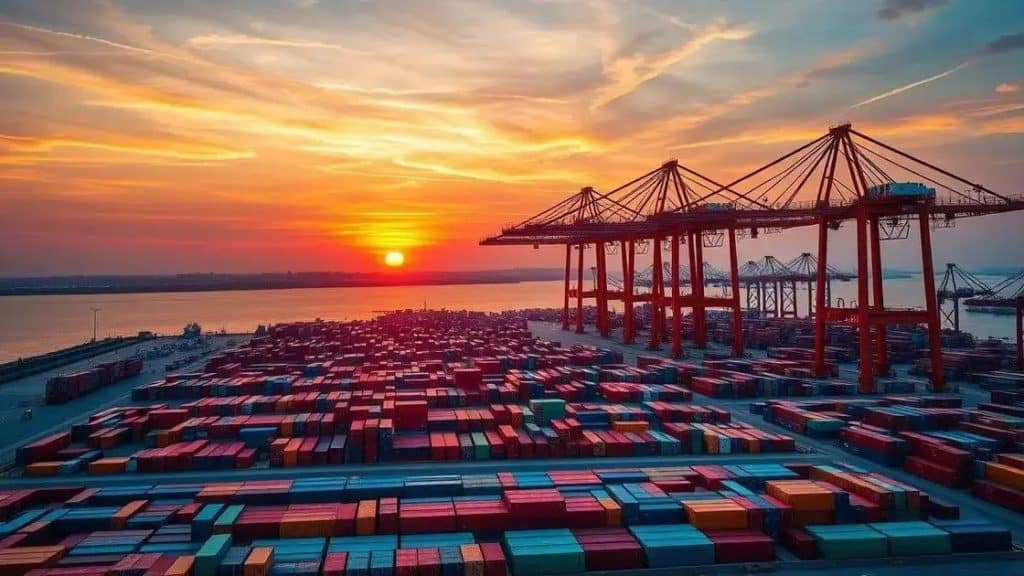
One of the primary reasons for shipping delays is severe congestion at ports. With the increase in e-commerce, more ships than ever are arriving at major ports. This congestion leads to:
- Longer waiting times for ships to dock.
- Limited unloading capacity due to fewer available workers.
- Increased operational costs for shipping companies.
The backlog creates a domino effect, causing delays in deliveries worldwide. As goods pile up, service levels drop, and customers often face frustrating wait times.
Labor Shortages
Another significant factor is labor shortages in various sectors related to shipping. The pandemic has made it difficult to maintain a stable workforce. This results in:
- Fewer dock workers available to unload and process shipments.
- Delays in transportation as drivers are hard to find.
- Higher wages demanded by workers in short supply.
These labor challenges greatly impact the entire supply chain, leading to considerable delays in getting products from ships to consumers.
Supply Chain Disruptions
Furthermore, global supply chain disruptions play a crucial role in shipping delays. Factors such as natural disasters, political instability, and trade restrictions can halt shipping operations. When disruptions occur, companies often face:
- Increased costs for rerouting shipments.
- Limited availability of essential parts and materials.
- Extended lead times for consumers waiting for products.
The connectivity of global supply chains means that issues in one part of the world can have far-reaching effects. By analyzing these causes, we can better understand the complexities that lead to shipping delays.
How delays affect consumers and businesses
The effects of shipping delays on consumers and businesses can be quite significant. Whether you’re ordering a new gadget or running a large company, the delays can change how you operate.
Impact on Consumers
Consumers often feel the immediate impact of shipping delays. They may face longer wait times for essential items, leading to frustration and dissatisfaction. For instance, when expected delivery dates are missed, customers might:
- Cancel orders and seek alternatives.
- Suffer inconveniences if the item was crucial for an occasion.
- Experience increased anxiety over the reliability of online shopping.
These delays can create a ripple effect, reducing customer loyalty and affecting trust in brands. When customers cannot count on timely deliveries, they may choose different retailers in the future.
Impact on Businesses
For businesses, the consequences of shipping delays are equally serious. Delays can lead to production issues, especially in industries that depend on just-in-time inventory systems. Companies may experience:
- Higher operational costs due to storing excess inventory.
- Lost sales opportunities as products are unavailable.
- Disruption in the supply chain that complicates planning.
This chaotic situation can result in a loss of competitive edge in the market. It can also lead to reputational damage, as clients and consumers may no longer view a brand as dependable. Such challenges highlight the importance of efficient logistics and transparent communication with customers.
Looking ahead: potential solutions to shipping issues
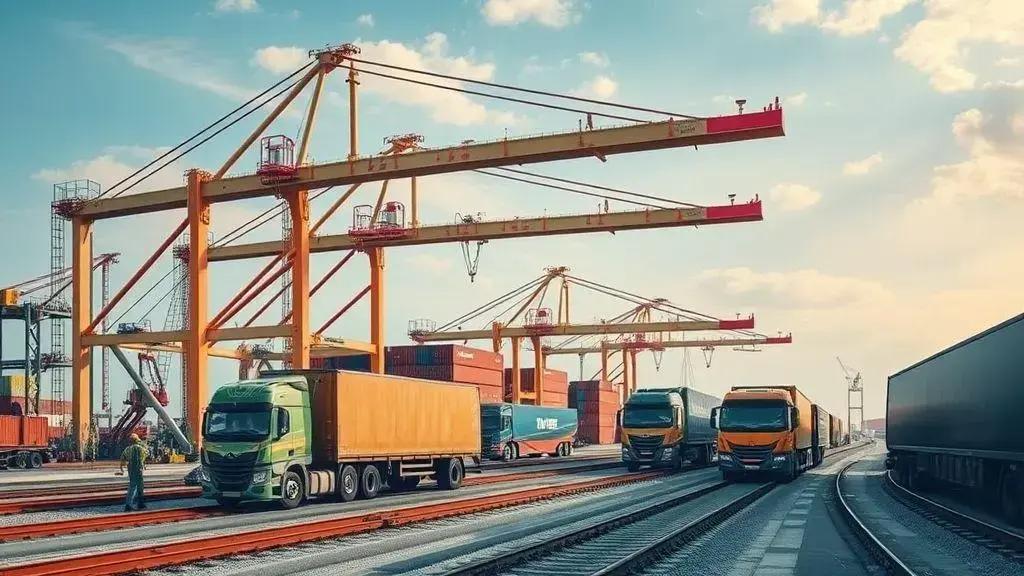
Looking ahead, addressing the shipping issues that lead to delays requires a multifaceted approach. Various potential solutions can be implemented to improve the situation, benefiting both consumers and businesses.
Enhancing Port Efficiency
One key area for improvement is increasing the efficiency of ports. By adopting advanced technologies, ports can reduce turnaround times for ships. Solutions may include:
- Implementing automated systems for loading and unloading.
- Expanding port infrastructure to handle more traffic.
- Improving communication systems between ships and port operators.
These changes can streamline operations and decrease waiting times, leading to faster transit of goods.
Investing in Workforce Training
Another solution involves investing in training programs for the workforce. Skilled workers are necessary to manage shipping logistics effectively. Companies can:
- Offer training sessions on new technologies and procedures.
- Attract and retain talent by providing competitive wages.
- Collaborate with educational institutions to create tailored programs.
By enhancing the skills of employees, businesses can better address the challenges posed by shipping delays.
Utilizing Alternative Transportation Methods
Exploring alternative transportation methods can also ease the burden on traditional shipping routes. Options might include:
- Increased use of rail transport for inland deliveries.
- Leveraging drones for small package deliveries in urban areas.
- Considering air freight for time-sensitive shipments.
These alternatives can help distribute goods more efficiently, particularly when roads and ports are congested. By proactively implementing these solutions, the shipping industry can work towards a more resilient future.
FAQ – Frequently Asked Questions about Shipping Delays
What are the main causes of shipping delays?
The main causes include port congestion, labor shortages, and global supply chain disruptions.
How do shipping delays affect consumers?
Consumers face longer wait times for their orders, leading to frustration and potential cancellations.
What can businesses do to mitigate shipping delays?
Businesses can improve port efficiency, invest in worker training, and explore alternative transportation methods.
Are there innovative solutions for shipping challenges?
Yes, leveraging technology and collaborating across sectors can lead to more effective logistics and reduced delays.