Breaking news on logistics startups: what’s changing
Breaking news on logistics startups highlights the integration of advanced technologies, a focus on sustainability, and the challenges entrepreneurs face, shaping the future of the logistics industry.
Breaking news on logistics startups is not just a buzzword; it’s a glimpse into the rapidly evolving world of supply chain management. Have you noticed how new companies are reshaping logistics? Stay with us as we uncover the latest developments in this dynamic field.
Recent trends in logistics startups
In recent years, the world of logistics startups has seen remarkable changes. New technologies and innovative approaches are transforming how goods are stored, tracked, and delivered. These trends are not just exciting; they are essential for keeping pace with the fast-moving market.
Embracing Automation
One of the key trends in logistics startups is the use of automation. Companies are increasingly adopting automated systems to streamline their operations. This can help reduce costs and improve accuracy in delivery.
- Automated warehousing: Robots manage inventory and packing.
- Delivery drones: Unmanned aerial vehicles are speeding up last-mile delivery.
- Software solutions: AI-powered tools help optimize routes and schedules.
As automation unfolds, businesses can operate more efficiently, resulting in faster service and lower prices for consumers.
Sustainability Initiatives
Another prominent trend is the focus on sustainability. Logistics startups are recognizing the importance of green practices. They are exploring ways to minimize their environmental impact, which is becoming increasingly important to consumers.
- Electric vehicles: Many companies are switching to electric trucks and vans.
- Eco-friendly packaging: Startups are using biodegradable or recyclable materials.
- Carbon offset programs: Some businesses are implementing strategies to offset their carbon footprints.
These initiatives not only help the planet but also appeal to environmentally conscious customers.
Moreover, technology is facilitating tracking and visibility throughout the shipping process. Customers want transparency, and startups are providing real-time information about their shipments. This level of service builds trust and enhances customer satisfaction.
Data analytics is also playing a significant role. Companies are using data to anticipate demand, manage inventory, and reduce waste. This not only leads to improved operational efficiency but also ensures that customers receive their products when they need them.
In conclusion, the landscape of logistics startups is evolving rapidly. With a focus on automation, sustainability, and improved customer visibility, these trends are reshaping how logistics companies operate in a competitive market.
Innovations driving change in logistics
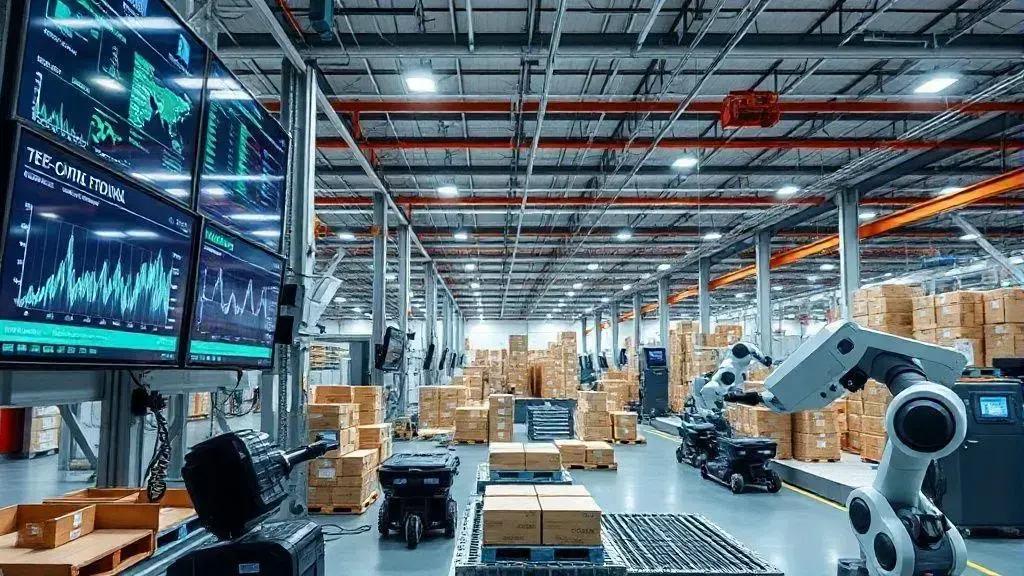
Innovations are at the heart of change in the logistics industry. As companies seek to adapt to new challenges, they are using cutting-edge technologies to improve efficiency and meet customer demands.
Advanced Tracking Systems
One major innovation is the development of advanced tracking systems. These systems allow businesses to monitor shipments in real-time, providing visibility throughout the supply chain. Customers are no longer left wondering where their packages are, as they can easily check the status online.
- GPS technology: This helps in precise location tracking of shipments.
- RFID tags: These enable quick scanning and inventory management.
- Mobile apps: Accessible tools for customers to track their orders easily.
With these advancements, logistics companies can enhance their customer service and build trust.
Internet of Things (IoT)
The Internet of Things (IoT) is also making significant waves in logistics. By connecting various devices, companies can collect data to improve operations. Sensors in trucks and warehouses provide real-time information about conditions, allowing for proactive management.
This innovation enables better decision-making, ultimately leading to reduced costs and improved satisfaction. When products are monitored continuously, it minimizes losses and enhances security throughout the supply chain.
Moreover, the use of artificial intelligence is reshaping logistics. AI algorithms can analyze complex data sets to predict demand, optimize routes, and manage inventory. This not only saves time and costs but also ensures that businesses operate more smoothly, allowing them to adapt to changes in market conditions.
Furthermore, robotics are playing a crucial role in warehouses. Automated systems are being used for packing and sorting, reducing manual labor and increasing speed. This shift not only improves productivity but also minimizes human errors.
Challenges faced by logistics entrepreneurs
Logistics entrepreneurs face various challenges as they strive to succeed in a highly competitive industry. From managing costs to navigating regulations, these obstacles can significantly impact their operations.
Cost Management
One of the primary challenges is managing costs effectively. Logistics companies must deal with rising fuel prices and labor costs. Maintaining a balance between providing excellent service and keeping expenses low is crucial.
- Fuel prices: Fluctuating fuel prices can eat into profit margins.
- Labor costs: Hiring and retaining skilled workers is expensive.
- Equipment investments: New technology can require significant upfront investment.
Logistics entrepreneurs need to implement strategies to control these costs while ensuring quality delivery.
Regulatory Compliance
Another significant hurdle is compliance with regulations. Entrepreneurs must stay updated on local, national, and international laws that affect their operations. This can include safety standards, environmental laws, and customs regulations.
Failure to comply can lead to costly fines and interruptions in service. This is where having a clear understanding of legal requirements and maintaining proper documentation becomes essential.
Additionally, technology changes rapidly in logistics, and keeping pace with these advancements can be daunting. Entrepreneurs must invest in training and upgrades to stay competitive. This can be overwhelming, especially for smaller businesses without large budgets.
Moreover, competition is fierce. New startups are emerging, all vying for market share. To succeed, logistics entrepreneurs must differentiate themselves through innovative services and strong customer relationships. Building trust with clients is vital for long-term success.
The future of logistics startups
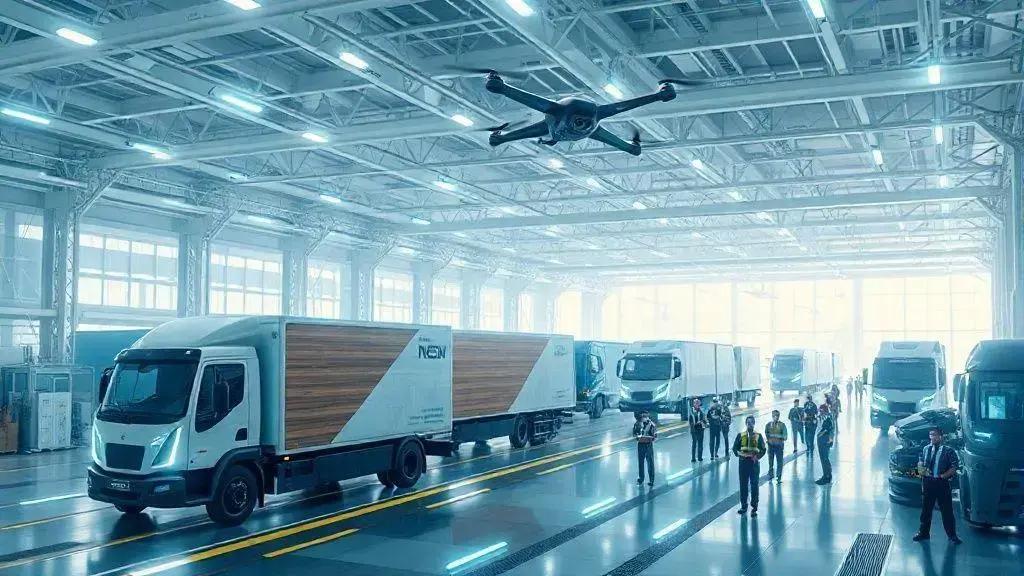
The future of logistics startups looks bright and full of opportunities. As technology evolves, these companies are finding new ways to innovate and meet consumer demands.
Technological Advancements
One key aspect is the integration of technology into everyday operations. Logistics startups are leveraging technologies like artificial intelligence and machine learning to optimize their processes. This leads to improved efficiency, reduced costs, and enhanced customer service.
- Predictive analytics: Helps forecast demand and manage inventory more effectively.
- Blockchain technology: Increases transparency and security in transactions.
- Smart contracts: Automate and streamline processes for faster results.
These innovations not only improve operational performance but also create a more dynamic marketplace.
Sustainability Efforts
Another critical trend is the commitment to sustainability. Today’s consumers are increasingly concerned about the environment. Logistics startups are responding by adopting greener practices. This can include using electric vehicles for deliveries and implementing eco-friendly packaging solutions.
By focusing on sustainability, these startups can appeal to a broader customer base. Companies that prioritize environmental responsibility often gain a competitive edge.
The future will also see increased collaboration between startups and established logistics firms. By partnering, both can share resources, knowledge, and technology. This can lead to innovative solutions that benefit the industry as a whole.
In addition, the rise of e-commerce will further enhance the growth of logistics startups. As more consumers shop online, the demand for efficient delivery services will continue to rise. Startups that can offer fast, reliable, and affordable shipping options will thrive in this expanding market.
The logistics industry is undergoing significant changes. As we look ahead, it’s clear that technology will continue to drive growth and innovation in logistics startups. From adopting advanced tracking systems to focusing on sustainability, these companies are setting the pace for the future. Entrepreneurs must navigate various challenges, yet opportunities abound in this dynamic landscape. By embracing new technologies and prioritizing customer needs, logistics startups are poised to thrive.
FAQ – Frequently Asked Questions about Logistics Startups
What are the key technologies logistics startups are using?
Logistics startups are leveraging technologies such as artificial intelligence, IoT, and blockchain to improve efficiency and transparency.
How can logistics startups focus on sustainability?
By adopting eco-friendly practices like using electric vehicles, employing biodegradable packaging, and implementing carbon offset programs.
What challenges do logistics entrepreneurs commonly face?
They often encounter issues such as cost management, regulatory compliance, and fierce competition in the market.
What future trends can we expect in the logistics industry?
We can expect increased collaboration between startups and established firms, as well as a rise in demand due to e-commerce growth.