Breaking news on global trade and shipping: what you need to know
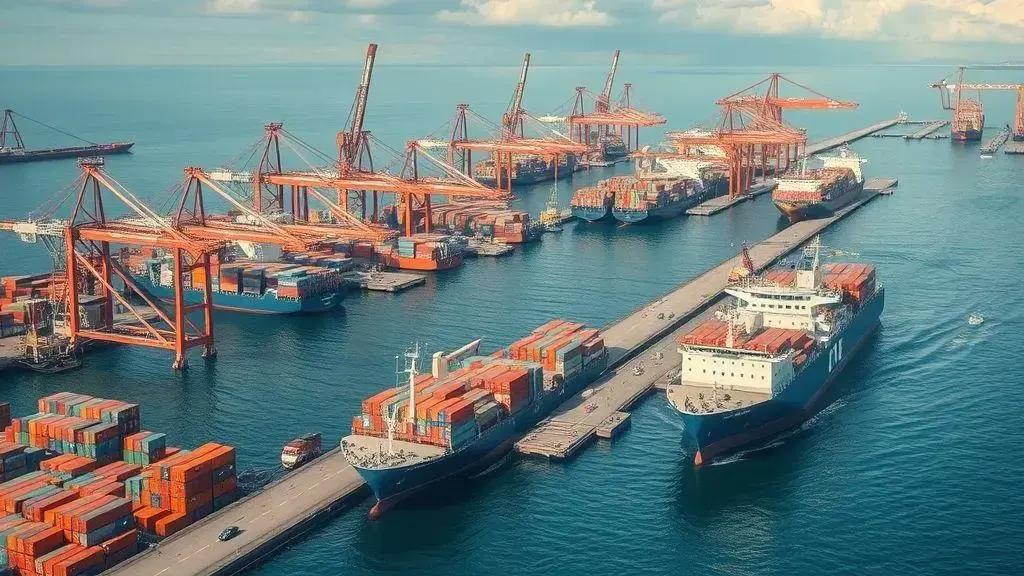
Technological advancements in shipping logistics, including automation, real-time tracking, blockchain, and AI, significantly enhance efficiency, reduce costs, and improve customer satisfaction in global trade operations.
Breaking news on global trade and shipping highlights crucial developments that affect economies worldwide. Have you considered how these changes influence your daily life? Let’s dive into what’s happening in the trade landscape.
Current trends in global trade
Understanding the current trends in global trade is essential for businesses and economies worldwide. These trends affect everything from the prices of goods to how companies operate across borders. This blog post dives into some key aspects of these trends.
Increased Digitalization
One of the most significant trends is the rise of digitalization in trade processes. Businesses are adopting advanced technologies to streamline operations, enhance efficiency, and improve customer experience. As a result, the reliance on traditional methods is decreasing rapidly.
Focus on Sustainability
Sustainability has become a crucial concern for consumers and companies alike. Many businesses are now prioritizing eco-friendly practices in their supply chains. This shift leads to:
- Use of renewable resources
- Reduction of carbon footprints
- Implementation of sustainable packaging solutions
- Support for fair trade practices
These efforts not only help the environment but also appeal to the growing number of environmentally conscious consumers.
Another trend is the importance of regional trade agreements. Governments are collaborating to create trade pacts that enhance economic ties between nations. Such agreements can result in reduced tariffs and improved market access for businesses. As a result, companies are able to expand their reach and gain access to new markets.
Finally, the shift toward agile supply chains is reshaping the landscape of global trade. Businesses are learning to respond quickly to changes in demand and supply. By incorporating flexibility in their operations, companies can adapt more efficiently to unexpected disruptions, such as those caused by global events. This agility is crucial to staying competitive in a fast-paced market.
In summary, the current trends in global trade reflect a dynamic and evolving environment where companies must stay informed and adaptable. Keeping an eye on these trends can provide businesses with a competitive edge and help them navigate the complexities of the global market.
Impact of shipping delays on the economy
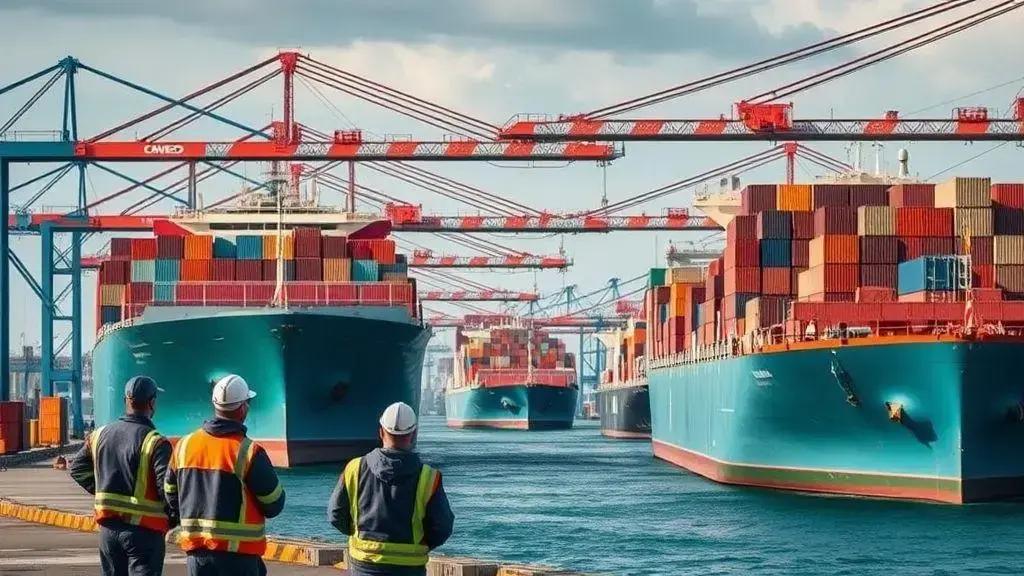
The impact of shipping delays on the economy is a growing concern for businesses and consumers alike. Delays can lead to increased costs and disruptions across various sectors. Understanding these effects is crucial for navigating the modern marketplace.
Higher Costs for Businesses
When shipments are delayed, businesses often face higher costs. This can occur due to factors such as:
- Increased shipping rates
- Higher inventory holding costs
- Potential penalties for late deliveries
- Lost sales opportunities
These expenses can erode profit margins and force companies to reconsider their pricing strategies, ultimately affecting consumers.
Consumer Impacts
Consumers also feel the effects of shipping delays. When products take longer to arrive, it can lead to dissatisfaction and decreased loyalty. Customers expect timely deliveries, and when that expectation is not met, they might choose to shop elsewhere. This shift can have a long-term effect on brand reputation.
The ripple effects of shipping delays can extend beyond individual businesses. For instance, critical sectors such as healthcare and manufacturing can be significantly impacted. Delays in obtaining crucial supplies can jeopardize operations, leading to broader economic consequences.
Moreover, shipping delays can contribute to inflationary pressures within the economy. As the demand for goods remains high, but supply chains falter, prices can rise. This inflation affects everything from everyday goods to larger purchases like vehicles and home appliances.
In a global economy, the interconnected nature of supply chains means that shipping delays in one country can disrupt processes in another. This interconnectedness underlines the importance of efficient logistics and timely shipping to maintain economic stability.
Future predictions for trade regulations
The future predictions for trade regulations are crucial for businesses navigating an ever-changing landscape. As global trade evolves, regulations will adapt to address emerging challenges and opportunities. Understanding these predictions can help companies strategize effectively.
Increased Emphasis on Digital Trade
One significant trend is the anticipated growth in regulations surrounding digital trade. As e-commerce rises, governments are likely to implement policies that facilitate online transactions. This may include:
- Streamlining customs procedures for digital goods
- Enhancing cybersecurity measures for cross-border e-commerce
- Establishing clear taxation rules for online sales
These changes aim to simplify processes, making it easier for businesses to operate globally.
Sustainability Standards
Another important factor will be the introduction of stricter sustainability standards in trade regulations. Consumers and governments are increasingly demanding environmentally-friendly practices. We may see:
- Mandatory sustainability reporting for businesses
- Incentives for companies adopting green technologies
- Penalties for failure to meet eco-friendly regulations
These measures will push businesses to align with global sustainability goals and appeal to eco-conscious consumers.
As we look forward, the potential for regional trade agreements will play a pivotal role. Countries might collaborate to enhance trade among neighboring regions. These agreements could lead to reduced tariffs and improved market access, benefiting businesses looking to grow in specific areas.
Moreover, geopolitical tensions will continue to shape trade regulations. Nations will likely impose tariffs or restrictions based on international relations. Keeping up with these shifts is essential for companies trying to maintain their competitive edge.
Technological advancements in shipping logistics
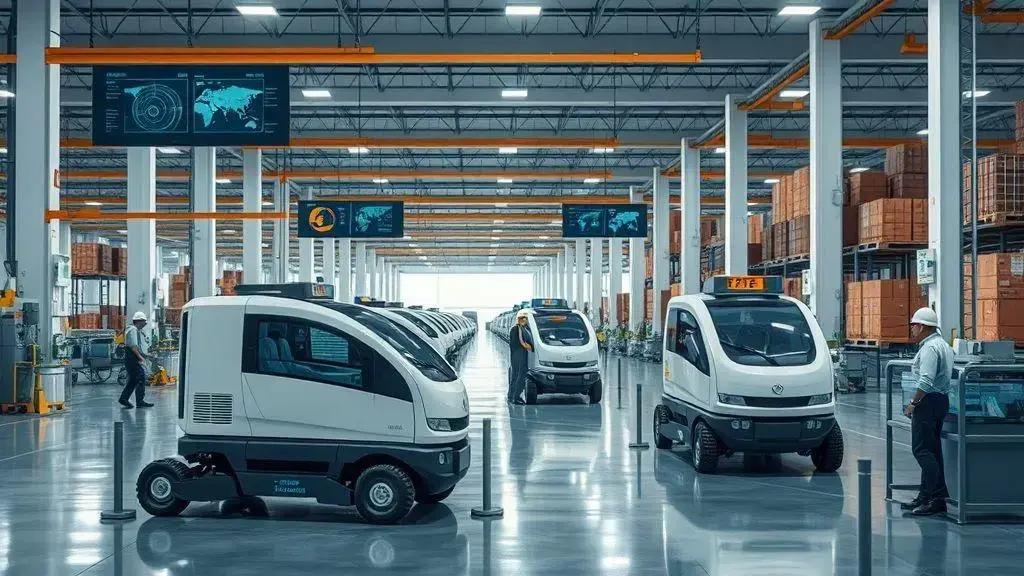
The technological advancements in shipping logistics are transforming how goods are moved around the world. These innovations not only enhance efficiency but also reduce costs for businesses. Understanding these technologies is vital for staying competitive in the market.
Automation in Warehousing
One area where technology is making a significant impact is in warehousing. Automation has streamlined the storage and retrieval processes. For instance, automated guided vehicles (AGVs) are becoming common in warehouses. They help in:
- Moving goods quickly and accurately
- Reducing labor costs
- Minimizing human error
This automation allows for faster processing of orders and improved inventory management.
Tracking and Visibility
Another key advancement is the use of tracking technologies. Companies now utilize GPS and RFID tags to monitor shipments in real-time. This increased visibility leads to better decision-making by:
- Providing accurate delivery estimates
- Allowing immediate responses to potential delays
- Improving customer communication
With these tools, businesses can enhance customer satisfaction through timely updates.
Moreover, the implementation of blockchain technology is paving the way for enhanced transparency in shipping logistics. With blockchain, all parties involved in the supply chain can access real-time data. This transparency helps in building trust among stakeholders and streamlining operations.
Advanced data analytics is another game-changer. By analyzing vast amounts of data, companies can optimize their shipping routes, forecast demand more accurately, and reduce operational costs. This data-driven approach supports better strategic planning and faster adjustments to market changes.
Lastly, the rise of artificial intelligence (AI) in shipping logistics is worth noting. AI systems can predict delays, optimize routes, and facilitate smarter inventory management. As these systems learn over time, they become more efficient, creating a cycle of continuous improvement.
FAQ – Frequently Asked Questions about Technological Advancements in Shipping Logistics
What role does automation play in modern shipping logistics?
Automation significantly enhances efficiency by streamlining warehousing processes and reducing human error, which ultimately lowers costs.
How do tracking technologies improve customer experience?
Tracking technologies provide real-time updates on shipments, allowing customers to receive timely information and improve their overall satisfaction.
What benefits does blockchain offer in shipping logistics?
Blockchain enhances transparency and trust in transactions by allowing all parties in the supply chain to access real-time data.
How is AI transforming logistics operations?
AI helps predict delays, optimize shipping routes, and improve inventory management, leading to more efficient logistics processes.