Blockchain in US Supply Chain: 5 Applications by 2025
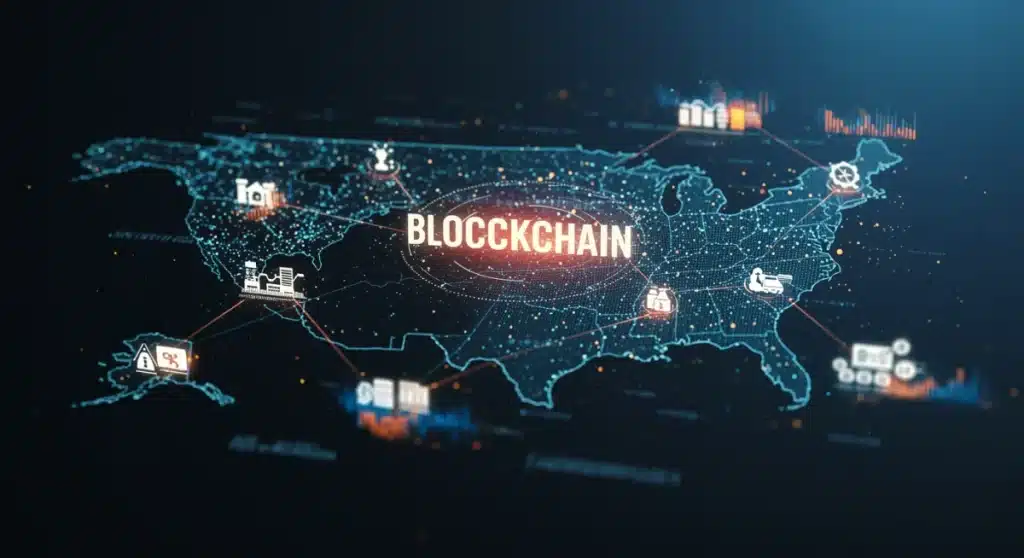
By 2025, blockchain technology is poised to fundamentally enhance US supply chain transparency through its applications in traceability, provenance, smart contracts, real-time data, and compliance, offering unprecedented levels of efficiency and trust across industries.
The landscape of global commerce is rapidly evolving, demanding unprecedented levels of transparency and efficiency in supply chains. By 2025, the integration of blockchain US supply chain applications will not just be an innovation, but a fundamental requirement for businesses striving for resilience and consumer trust. This shift promises to redefine how goods move from production to consumption, offering a clear, immutable record of every transaction and movement.
Enhanced Traceability and Provenance Tracking
One of the most immediate and impactful applications of blockchain in the US supply chain is its ability to provide unparalleled traceability and provenance tracking. This means knowing exactly where every component originated, who handled it, and under what conditions it traveled. For industries ranging from pharmaceuticals to food, this level of detail is transformative, ensuring product authenticity and safety.
Traditional supply chains often suffer from opaque data silos, making it challenging to pinpoint the source of issues like contamination or counterfeiting. Blockchain’s distributed ledger technology creates a single, shared source of truth that all authorized participants can access and verify. This eliminates the need for intermediaries and reduces the potential for fraud or errors, building trust among all stakeholders.
Real-Time Visibility for Perishable Goods
For sectors dealing with perishable goods, such as fresh produce and seafood, real-time visibility is critical. Blockchain can record environmental conditions, such as temperature and humidity, at every stage of transit.
- Reduced Spoilage: Instantly identify and address deviations from optimal conditions, minimizing waste.
- Improved Quality Control: Ensure products maintain quality standards from farm to table.
- Faster Recalls: In case of contamination, quickly trace affected batches and execute targeted recalls.
- Consumer Confidence: Provide consumers with verifiable data on product freshness and safety.
This granular level of tracking not only prevents waste but also builds immense consumer confidence, as purchasers can scan a QR code and instantly see the entire journey of their food item. The ability to verify the authenticity and conditions of products empowers both businesses and end-users, fostering a more responsible and transparent ecosystem.
Streamlined Operations with Smart Contracts
Smart contracts, self-executing agreements with the terms of the agreement directly written into code, are set to revolutionize operational efficiency within US supply chains. These contracts automatically execute actions when predefined conditions are met, eliminating manual processes, reducing delays, and minimizing disputes. This automation translates into significant cost savings and increased speed for various logistical processes.
Imagine a scenario where a payment to a supplier is automatically released once goods are confirmed to have been received and inspected, as recorded on the blockchain. This removes the need for human intervention in payment approvals, which can often be a bottleneck in complex international supply chains. Smart contracts ensure that all parties adhere to their agreed-upon terms without the need for a central authority.
Automated Compliance and Payments
The integration of smart contracts simplifies complex compliance requirements and automates payment workflows, which are often sources of friction and delay in traditional supply chains.
- Automated Invoicing: Invoices can be generated and processed automatically upon delivery confirmation.
- Conditional Payments: Funds are released only when all contractual obligations are met.
- Regulatory Adherence: Smart contracts can be programmed to ensure adherence to specific regulations, automatically flagging non-compliance.
- Reduced Administrative Burden: Less paperwork and manual reconciliation, freeing up resources for core business activities.
By embedding business logic directly into the blockchain, smart contracts create an environment where trust is established through code rather than through lengthy negotiations and legal battles. This fosters a more agile and responsive supply chain, crucial for businesses operating in dynamic markets.
Enhanced Data Security and Integrity
In an age where data breaches are increasingly common, ensuring the security and integrity of supply chain data is paramount. Blockchain technology inherently offers robust security features that make it an ideal solution for protecting sensitive information across complex networks. Its decentralized and cryptographic nature makes data tampering virtually impossible, providing an immutable audit trail.
Each transaction or data point added to the blockchain is cryptographically linked to the previous one, forming a chain that is incredibly difficult to alter without detection. This makes it a powerful tool against cyber threats and unauthorized data manipulation. For companies, this means greater confidence in the accuracy of their supply chain records and reduced risk of data loss or corruption.
Protection Against Cyber Threats
The distributed nature of blockchain networks means there is no single point of failure that hackers can target. Data is replicated across multiple nodes, making it highly resilient to attacks.
- Immutable Records: Once data is recorded on the blockchain, it cannot be changed, ensuring data integrity.
- Decentralized Infrastructure: Eliminates central points of attack, enhancing overall security.
- Cryptographic Security: Advanced encryption protects sensitive information from unauthorized access.
- Transparent Audit Trails: Every transaction is recorded, providing a clear history for auditing and compliance.
This enhanced security extends beyond just preventing malicious attacks; it also ensures the reliability of data for critical decision-making. Businesses can trust the information they see on the blockchain, leading to more informed strategies and better operational outcomes. The integrity of data is the backbone of an efficient supply chain, and blockchain provides that foundational strength.
Improved Regulatory Compliance and Auditing
Navigating the complex web of regulatory compliance is a significant challenge for US supply chains, particularly those operating internationally. Blockchain offers a powerful solution by providing an unalterable, transparent record of all activities, simplifying auditing processes and ensuring adherence to various standards and laws. This capability is invaluable for industries with strict regulatory oversight.
From environmental regulations to labor laws and product safety standards, businesses must prove compliance at every step. Blockchain creates a verifiable digital footprint for every action, making it easier to demonstrate due diligence and respond to audits. This reduces the time and resources typically spent on compliance, mitigating risks associated with non-compliance.
Streamlined Audits and Certifications
The ability to instantly access verifiable data on the blockchain significantly streamlines audits and the process of obtaining certifications, reducing both costs and delays.
- Automated Reporting: Generate compliance reports directly from blockchain data.
- Reduced Audit Time: Auditors can quickly verify data, speeding up the audit process.
- Enhanced Credibility: Immutable records provide undeniable proof of compliance.
- Global Standardization: Facilitates adherence to international standards and certifications.
By providing a single, consistent version of truth, blockchain helps companies avoid penalties and reputational damage that can arise from compliance failures. It transforms compliance from a reactive, burdensome task into a proactive, integrated part of the supply chain operation, ensuring that businesses meet their obligations with greater ease and confidence.
Optimized Inventory Management and Demand Forecasting
Effective inventory management and accurate demand forecasting are crucial for minimizing costs and maximizing efficiency in any supply chain. Blockchain technology can significantly enhance these areas by providing real-time, accurate data across the entire network, leading to more informed decision-making and optimized resource allocation.
Traditional inventory systems often suffer from delays and inaccuracies, leading to either overstocking (and associated carrying costs) or understocking (resulting in lost sales and customer dissatisfaction). Blockchain provides a continuous, updated record of inventory levels at every stage, from raw materials to finished goods, across all locations. This real-time visibility enables businesses to manage their stock more precisely.
Predictive Analytics with Reliable Data
With a reliable and transparent stream of data provided by blockchain, businesses can leverage advanced analytics for more accurate demand forecasting, minimizing waste and improving responsiveness.
- Reduced Holding Costs: Optimize inventory levels to avoid excessive storage expenses.
- Minimized Stockouts: Ensure products are available when and where customers need them.
- Improved Production Planning: Align production schedules with actual demand more effectively.
- Enhanced Supply Chain Resilience: Quickly adapt to demand fluctuations and supply disruptions.
The shared, immutable ledger allows all participants in the supply chain – from manufacturers to retailers – to have a common understanding of inventory status and demand signals. This collaborative environment fosters better coordination and enables a more agile response to market changes, ultimately leading to a more efficient and profitable supply chain.
Collaborative Ecosystems and Digital Identity
The future of US supply chains will increasingly rely on collaborative ecosystems where all participants can interact seamlessly and securely. Blockchain technology facilitates this by providing a trusted framework for digital identity and secure data sharing, enabling new levels of cooperation and efficiency across diverse entities. This moves beyond mere transaction tracking to building a truly interconnected network.
Establishing trust between unknown or semi-trusted parties is a perennial challenge in supply chains. Blockchain-based digital identities for products, organizations, and even individual assets can ensure that every participant is verified and every interaction is authenticated. This reduces the risk of fraud and fosters a more secure environment for collaboration, especially in complex, multi-party networks.
Secure Information Exchange Between Partners
Blockchain enables secure and permissioned sharing of critical information between supply chain partners, fostering a more integrated and responsive ecosystem without compromising data privacy.
- Permissioned Access: Control who can view and contribute specific data points.
- Interoperability: Connect disparate systems and data sources across the supply chain.
- Enhanced Trust: Build stronger relationships with suppliers, logistics providers, and customers.
- New Business Models: Facilitate innovative collaborations and service offerings.
By creating a shared, trusted digital infrastructure, blockchain empowers businesses to form more robust partnerships and build more resilient supply chains. This collaborative approach is essential for navigating the complexities of modern logistics and responding effectively to unforeseen challenges, ultimately driving greater innovation and value creation.
| Key Application | Impact on US Supply Chain |
|---|---|
| Traceability & Provenance | Ensures product authenticity, safety, and real-time origin tracking from source to consumer. |
| Smart Contracts | Automates payments and compliance, reducing delays and administrative overhead. |
| Data Security | Provides immutable, decentralized records, protecting against cyber threats and data tampering. |
| Inventory Optimization | Enables real-time inventory visibility and more accurate demand forecasting for efficiency. |
Frequently Asked Questions About Blockchain in Supply Chains
Blockchain’s primary benefit is enhanced transparency and traceability. It creates an immutable, shared record of every transaction and movement, allowing all authorized participants to track products from origin to destination with unprecedented clarity and trust.
Smart contracts automate the execution of agreements when predefined conditions are met. This eliminates manual processes, reduces delays in payments and compliance checks, and minimizes disputes, leading to significant operational efficiencies and cost savings.
Yes, blockchain offers robust data security. Its decentralized and cryptographic nature makes data tampering extremely difficult. Each entry is cryptographically linked, creating an immutable audit trail that protects against cyber threats and unauthorized alterations.
Absolutely. Blockchain provides an unalterable, transparent record of all supply chain activities, significantly simplifying regulatory compliance and auditing processes. It allows businesses to easily demonstrate adherence to various standards and laws, reducing compliance burdens.
Blockchain provides real-time, accurate data on inventory levels across the entire supply chain. This leads to optimized inventory management, reduced holding costs, minimized stockouts, and more precise demand forecasting, enhancing overall supply chain responsiveness and efficiency.
Conclusion
The integration of blockchain technology into US supply chains is not merely a technological upgrade but a fundamental paradigm shift towards greater transparency, efficiency, and trust. By 2025, the applications discussed—from enhanced traceability and smart contracts to robust data security and optimized inventory management—will be instrumental in creating resilient, responsive, and ethical supply networks. Businesses that embrace these innovations will undoubtedly gain a significant competitive edge, meeting consumer demands for transparency while navigating the complexities of a globalized economy with unprecedented clarity and confidence. The future of logistics is being built on the immutable foundations of blockchain.