Blockchain tracking for supply chain transparency

Blockchain tracking for supply chain transparency enhances visibility, builds trust among stakeholders, and provides real-time monitoring, although challenges like integration and data standardization must be addressed for effective implementation.
Blockchain tracking for supply chain transparency is reshaping how we view logistics and accountability. Imagine a world where every product’s journey is clear and trustworthy—you’re likely already curious about how this technology brings that vision to life.
Understanding blockchain technology
Understanding blockchain technology is essential for grasping its role in modern supply chains. At its core, blockchain is a decentralized digital ledger that records transactions across many computers. This technology ensures that the recorded transactions cannot be altered or deleted, which adds a layer of security and trust.
One of the fascinating aspects of blockchain is how it operates as a chain of blocks, with each block containing a series of transaction records. When a new transaction occurs, it is added to a block and then added to the chain in a linear fashion. This process creates an immutable record of all transactions.
The key features of blockchain technology include:
- Decentralization: Unlike traditional ledgers, there is no single point of control in a blockchain.
- Transparency: Every participant in the network can view the transaction history.
- Security: Transactions are encrypted and linked to previous transactions, making fraud difficult.
- Consensus mechanisms: These are used to agree on the validity of transactions, ensuring all parties are informed and in agreement.
Furthermore, the applications of blockchain extend beyond currency. Industries are beginning to adopt this technology for various purposes, including supply chain management. When businesses use blockchain, they gain real-time visibility into their supply chains, which helps in monitoring products from origin to delivery.
Imagine being able to track a shipment’s journey, know its location, and verify its authenticity at any time. This capability builds trust among consumers and suppliers alike. As we delve deeper into blockchain technology, it becomes clear that its potential for improving efficiency and transparency in supply chains is significant.
How blockchain increases transparency
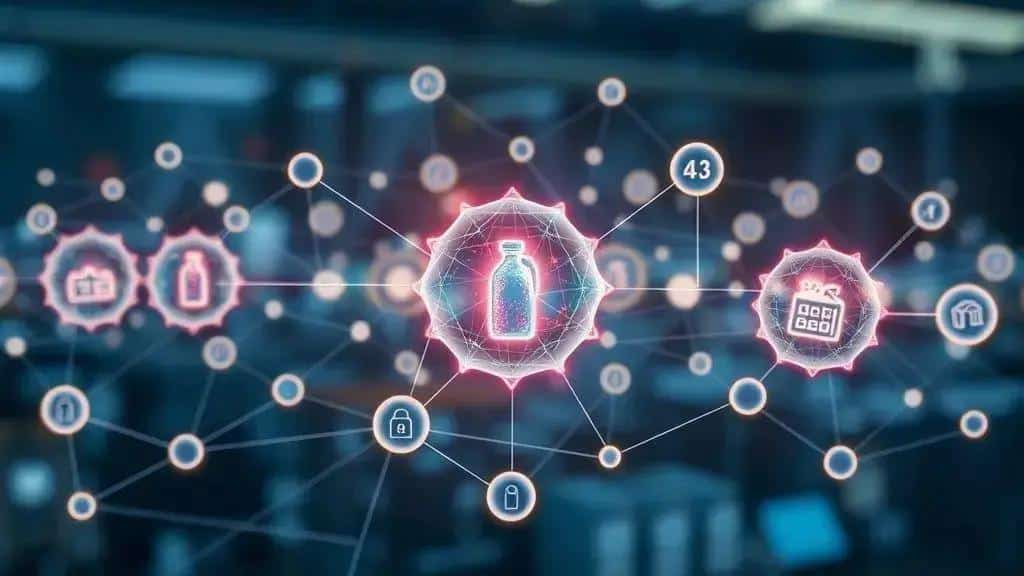
Blockchain technology plays a crucial role in increasing transparency within supply chains. By using a decentralized ledger, every transaction is documented in a way that all parties can see, reducing misunderstandings and disputes. This visibility helps businesses build trust with their partners and customers.
When it comes to accountability, blockchain ensures that each participant in the network can verify the authenticity of products and transactions. Due to its secure nature, this technology allows stakeholders to trace products from their origin to their final destination.
Key benefits of blockchain for transparency include:
- Real-time tracking: Stakeholders can monitor the movement of goods at any moment.
- Auditability: Each transaction is permanent and can be reviewed at any time.
- Reduced fraud: The nature of blockchain makes it very difficult to alter transaction data.
- Consumer trust: Customers can verify product origins, enhancing their confidence in brands.
In addition, businesses can respond more effectively to issues that arise in the supply chain. For example, if a product recall is necessary, the affected items can be quickly identified, and all relevant information can be traced back to the source. This capability significantly reduces the time and resources spent on such tasks.
Moreover, with blockchain, companies can share data and insights without the fear of tampering or data breaches. This openness fosters collaboration and improves the overall efficiency of supply chain processes. The enhanced transparency offered by blockchain technology is transforming how businesses operate.
Real-world examples of blockchain in supply chains
Real-world examples of blockchain in supply chains illustrate how this technology can transform industries. Many companies are using blockchain to enhance transparency, improve efficiency, and build trust with consumers.
For instance, in the food industry, companies like Walmart are leveraging blockchain to trace the origin of products quickly. When customers want to know where their food comes from, blockchain provides a clear and verifiable history, from farm to table. This ensures that food safety is prioritized, as any contamination can be quickly tracked down.
Other notable examples include:
- Maersk and IBM’s TradeLens platform, which streamlines global shipping documentation.
- De Beers uses blockchain to track the provenance of diamonds, ensuring they are conflict-free.
- Everledger has created a blockchain system to verify the authenticity of luxury goods.
- OriginTrail is a decentralized protocol that facilitates supply chain data sharing across industries.
These examples highlight the diverse applications of blockchain beyond financial transactions. By tracking products in real-time, stakeholders can identify inefficiencies and resolve issues faster than ever before. The implementation of blockchain technology ensures that all parties involved in the supply chain have access to accurate data, fostering collaboration and accountability.
Using blockchain not only improves operational processes but also strengthens customer relationships. As businesses continue to adopt this technology, we can expect even more innovative uses that enhance supply chain transparency and integrity.
Challenges of implementing blockchain tracking
Implementing blockchain tracking in supply chains comes with several significant challenges. While the benefits are clear, organizations must navigate various hurdles to successfully adopt this technology.
One major challenge is the integration with existing systems. Many businesses have developed robust supply chain systems over the years, and switching to a new system can be complex. Organizations need to ensure that the new blockchain technology can work alongside their current infrastructure.
Other common challenges include:
- Data standardization: Different companies may use various formats for sharing data. Agreeing on a standard is crucial.
- Cost of implementation: Integrating blockchain requires investment in new technology and training for staff.
- Scalability: As the number of transactions increases, ensuring the blockchain can handle the load is vital.
- Regulatory compliance: Navigating laws and regulations concerning data security and privacy can be tricky.
Moreover, there’s also the challenge of gaining buy-in from all stakeholders. For a blockchain system to work effectively, everyone in the supply chain must participate. This includes suppliers, manufacturers, and retailers. Each party must trust the system and understand its benefits.
Additionally, educating employees about blockchain is essential. Without proper training and a clear understanding of how it operates, the transition may face resistance. Conducting workshops and providing resources can help ease the learning curve.
Despite these challenges, the push for transparency and efficiency continues to drive organizations toward exploring blockchain tracking solutions. Addressing the barriers early can lead to successful implementations that greatly enhance operations.
FAQ – Frequently Asked Questions about Blockchain Tracking in Supply Chains
What is blockchain tracking?
Blockchain tracking uses a decentralized digital ledger to record the movement of products in a supply chain, ensuring transparency and authentication.
How does blockchain increase transparency in supply chains?
Blockchain increases transparency by allowing all parties involved to access and verify transaction data, enhancing trust and accountability.
What challenges come with implementing blockchain tracking?
Challenges include integrating with existing systems, ensuring data standardization, managing costs, and obtaining stakeholder buy-in.
Can small businesses benefit from blockchain technology?
Yes, small businesses can benefit from blockchain by improving supply chain efficiency, reducing costs, and increasing consumer trust.