Autonomous Trucking: 15% US Logistics Cost Cut by 2025
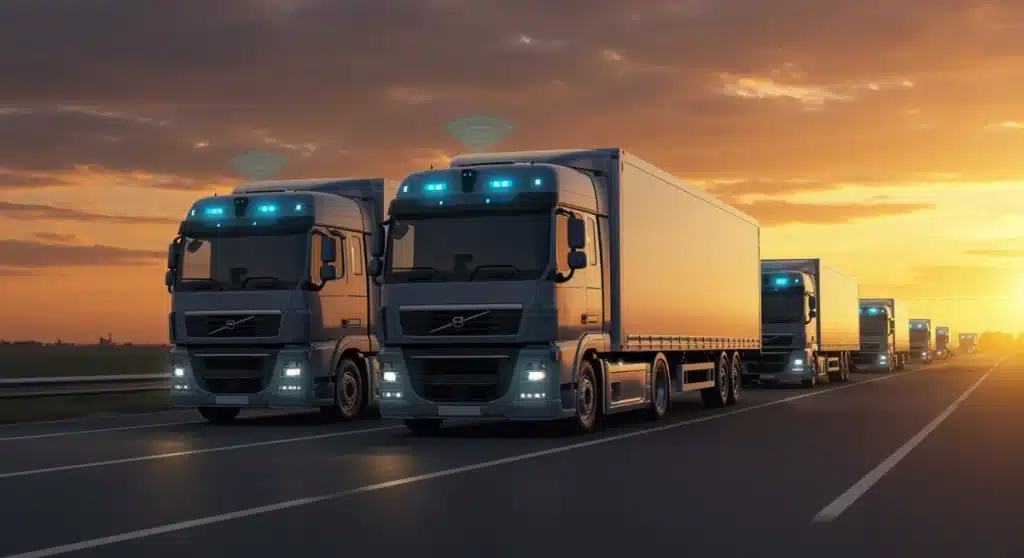
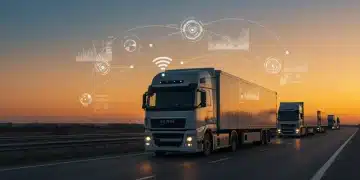
Autonomous trucking is set to reduce US logistics costs by 15% by 2025, driven by advanced technology and strategic implementation, fundamentally reshaping the industry.
Imagine a world where your goods move faster, cheaper, and with fewer delays. This isn’t a distant dream; it’s the near-future reality of logistics in the United States. The advent of autonomous trucking logistics promises to drastically cut operational expenses, with projections indicating a remarkable 15% reduction in US logistics costs by 2025. This guide offers an insider’s look into the implementation strategies making this transformation possible.
The economic imperative for autonomous trucking
The US logistics sector faces persistent challenges, including rising fuel prices, driver shortages, and increasing labor costs. These factors collectively push operational expenses higher, impacting everything from consumer prices to supply chain efficiency. Autonomous trucking emerges as a compelling solution to these deeply entrenched issues, offering a pathway to significant cost savings and enhanced reliability.
The economic pressure to innovate is immense. Companies are constantly seeking ways to optimize their supply chains, and traditional methods are reaching their limits. Autonomous technology presents a paradigm shift, moving beyond incremental improvements to offer a wholesale re-imagination of how goods are transported across the nation. This shift is not merely about technology; it’s about economic survival and competitive advantage.
Addressing driver shortages and labor costs
One of the most significant drivers of rising logistics costs is the chronic shortage of qualified truck drivers. This shortage leads to increased wages, recruitment expenses, and operational bottlenecks. Autonomous trucks can operate without a human driver for extended periods, directly addressing this critical labor gap and offering a scalable solution to meet growing demand.
- Reduced labor expenses: Eliminates the need for human drivers during autonomous operation.
- Increased operational hours: Trucks can run almost continuously, maximizing asset utilization.
- Lower recruitment and training costs: Reduces the overhead associated with hiring and retaining drivers.
The economic imperative is clear: by mitigating these labor-related costs, autonomous trucking provides a direct path to substantial savings. Furthermore, it frees human drivers to focus on more complex, last-mile deliveries or specialized routes, optimizing human capital where it’s most needed.
In conclusion, the economic landscape of US logistics demands a transformative solution. Autonomous trucking directly tackles the core issues of labor shortages and escalating operational costs, positioning itself as an indispensable tool for achieving significant cost reductions and improving overall efficiency.
Technological advancements driving the revolution
The rapid evolution of artificial intelligence, sensor technology, and connectivity forms the backbone of the autonomous trucking revolution. These technological advancements are not just theoretical; they are being integrated into real-world applications, making self-driving trucks a viable and increasingly reliable option for commercial transport. Understanding these foundational technologies is crucial to grasping the potential for cost reduction.
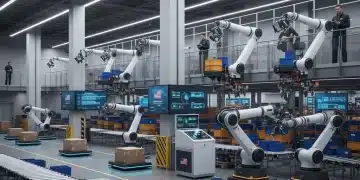
From sophisticated lidar systems that map environments in 3D to advanced radar that detects objects in adverse weather, the sensory capabilities of autonomous trucks are becoming incredibly precise. Coupled with powerful AI algorithms that process vast amounts of data in real-time, these vehicles can navigate complex road conditions, react to unexpected events, and optimize routes with unprecedented accuracy.
Key technologies enabling autonomy
The convergence of several cutting-edge technologies is what makes autonomous trucking possible. Each component plays a vital role in ensuring the safety, efficiency, and reliability of these advanced vehicles. Continuous improvements in these areas are what will allow for broader deployment and greater cost efficiencies.
- Lidar and Radar: Provide high-resolution environmental mapping and object detection, crucial for obstacle avoidance.
- High-Definition Cameras: Offer visual data for lane keeping, traffic sign recognition, and pedestrian detection.
- GPS and Inertial Measurement Units (IMUs): Ensure precise positioning and orientation, vital for navigation.
- Artificial Intelligence and Machine Learning: Process sensor data, make real-time decisions, and learn from driving experiences to improve performance.
- V2X Communication: Enables vehicles to communicate with each other and with infrastructure, enhancing safety and traffic flow.
These technologies are not static; they are constantly evolving. As they become more refined and cost-effective, the economic benefits of autonomous trucking will only grow. The ability to integrate and synthesize data from multiple sources allows autonomous systems to perceive their surroundings with a level of detail and consistency that often surpasses human capabilities.
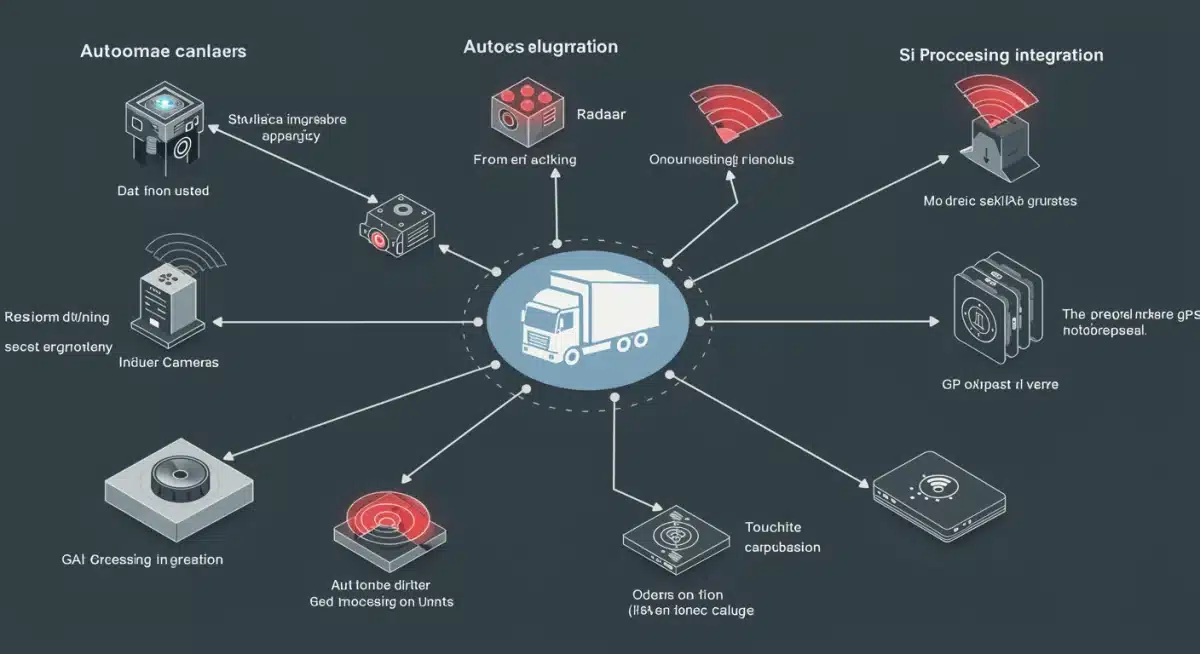

In essence, the technological advancements are creating a robust and intelligent system capable of safely and efficiently transporting goods. These innovations are the bedrock upon which the projected 15% cost savings in US logistics will be built, ensuring a future where autonomous trucks are not just a possibility, but a practical reality.
Strategic implementation pathways for 2025
Achieving a 15% reduction in US logistics costs by 2025 through autonomous trucking requires a clear and strategic implementation roadmap. This isn’t about simply deploying self-driving vehicles; it involves a complex interplay of infrastructure development, regulatory frameworks, and operational integration. Early adopters and innovators are already laying the groundwork for this transformative shift.
The initial phases of implementation will likely focus on specific routes and applications where the technology can demonstrate its value most effectively. This includes long-haul highway segments, often referred to as ‘middle-mile’ logistics, where the benefits of continuous operation and reduced human intervention are most pronounced. Gradual expansion will follow as confidence in the technology grows and regulatory clarity emerges.
Phased rollout and dedicated lanes
A phased rollout approach is essential for successful integration. This means starting with supervised autonomous operations and gradually moving towards fully driverless capabilities as technology matures and public acceptance increases. Dedicated autonomous truck lanes, or at least designated periods for autonomous operation on existing highways, could significantly accelerate adoption and maximize efficiency.
- Supervised autonomy: Human safety drivers remain in the cab, ready to intervene if necessary.
- Driverless hubs: Autonomous trucks handle long-haul segments, with human drivers managing first and last-mile deliveries.
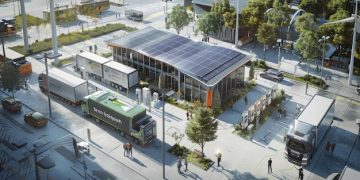
- Infrastructure upgrades: Investment in smart road technologies and charging/refueling stations tailored for autonomous fleets.
The creation of autonomous-friendly corridors would not only streamline traffic flow but also allow for optimized vehicle-to-infrastructure (V2I) communication, further enhancing safety and efficiency. These strategic pathways are designed to build operational experience and gather crucial data, which will inform future policy and technological refinements.
Ultimately, the successful implementation of autonomous trucking by 2025 hinges on a well-orchestrated strategy that balances technological readiness with practical deployment considerations. By focusing on phased rollouts and leveraging existing infrastructure, the industry can unlock the vast potential for cost savings and operational excellence.
Impact on supply chain efficiency and reliability
Beyond direct cost reductions, autonomous trucking promises to profoundly enhance supply chain efficiency and reliability. The ability of self-driving trucks to operate consistently, predictably, and without the constraints of human driving hours translates into a more fluid and responsive logistics network. This will have ripple effects across the entire supply chain, from manufacturing to retail.
Imagine goods moving through the supply chain with fewer delays, reduced transit times, and improved inventory management. Autonomous trucks can maintain optimal speeds, avoid unnecessary stops, and adhere to precise schedules, leading to a more synchronized and efficient flow of products. This predictability is a game-changer for businesses relying on just-in-time inventory systems.
Optimized routes and reduced transit times
Autonomous systems are inherently designed for optimization. They can analyze vast amounts of data to select the most efficient routes, factoring in real-time traffic conditions, weather patterns, and road closures. This dynamic route optimization minimizes travel distance and time, directly contributing to reduced fuel consumption and faster delivery.
- Continuous operation: Trucks can run 24/7, limited only by maintenance and refueling schedules.
- Predictable delivery windows: Enhanced scheduling accuracy improves inventory management.
- Reduced human error: Minimizes accidents and delays caused by driver fatigue or distractions.
The reliability of autonomous operations also means fewer unexpected disruptions. While breakdowns can still occur, the absence of human error as a primary cause of accidents will lead to a safer and more consistent transport system. This increased reliability builds confidence throughout the supply chain, allowing businesses to plan with greater certainty.
In summary, autonomous trucking is poised to elevate supply chain performance to unprecedented levels. By optimizing routes, enabling continuous operation, and enhancing predictability, it will create a more efficient, resilient, and responsive logistics network, ultimately benefiting businesses and consumers alike.
Overcoming regulatory and societal hurdles
While the technological and economic arguments for autonomous trucking are compelling, the path to widespread adoption is not without its challenges. Significant regulatory and societal hurdles must be addressed to unlock the full potential of these transformative vehicles. Navigating these complexities requires careful planning, public engagement, and collaborative efforts between industry, government, and communities.
Public perception and trust are paramount. Concerns about safety, job displacement, and the ethical implications of AI decision-making must be proactively addressed. Similarly, a patchwork of state-level regulations could hinder seamless cross-country autonomous operations, necessitating a more unified national approach to policy and standards.
Developing a supportive regulatory framework
The current regulatory landscape for autonomous vehicles is still evolving. Establishing clear, consistent, and comprehensive regulations is critical for fostering innovation while ensuring public safety. This includes defining operational standards, certification processes, and liability frameworks for autonomous trucks operating on public roads.
- Standardized testing protocols: Ensures autonomous systems meet rigorous safety criteria.
- Unified state and federal laws: Prevents a fragmented regulatory environment that could impede deployment.
- Liability clarity: Establishes who is responsible in the event of an accident involving an autonomous vehicle.
Beyond regulations, societal concerns about job displacement are legitimate and require thoughtful solutions. Initiatives for retraining and upskilling the existing workforce, particularly truck drivers, into new roles within the autonomous logistics ecosystem will be crucial for a just transition. This could include roles in remote monitoring, maintenance, or specialized last-mile delivery.
Addressing these regulatory and societal challenges effectively will be key to the successful integration of autonomous trucking. By prioritizing safety, establishing clear guidelines, and fostering open dialogue, stakeholders can pave the way for a future where autonomous logistics benefits everyone.
The future landscape: beyond 2025
While 2025 marks a significant milestone for autonomous trucking and its projected cost reductions, the journey doesn’t end there. The period beyond 2025 will see further maturation of the technology, deeper integration into global supply chains, and the emergence of entirely new business models. The initial 15% cost saving is just the beginning of a much larger transformation.
The long-term vision includes fully integrated autonomous networks, where trucks communicate seamlessly with each other, with distribution centers, and with broader transportation infrastructure. This level of connectivity will unlock unprecedented levels of efficiency, security, and environmental sustainability, fundamentally reshaping the future of logistics.
Evolution of autonomous fleets and infrastructure
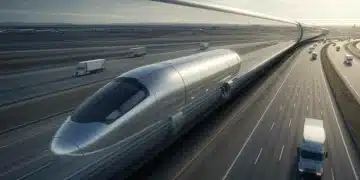
Post-2025, we can expect to see an expansion of autonomous capabilities beyond highway driving to more complex urban environments. This will require even more sophisticated sensor arrays, AI, and detailed digital mapping. The infrastructure will also evolve, with smart roads providing real-time data to autonomous vehicles, optimizing traffic flow and energy consumption.
- Enhanced urban autonomy: Expansion into complex city driving scenarios for last-mile delivery.
- Electric autonomous trucks: Greater adoption of electric powertrains, reducing emissions and operational costs further.
- Integrated logistics platforms: Seamless coordination between autonomous trucks, drones, and other modes of transport.
The development of purpose-built autonomous electric trucks will further amplify the environmental benefits, contributing to a significant reduction in carbon emissions from the freight sector. The synergy between electrification and autonomy will create a highly sustainable and efficient transportation system, aligning with broader climate goals.
In conclusion, the future of logistics, powered by autonomous trucking, is one of continuous innovation and integration. Beyond the immediate cost savings, the long-term vision promises a more efficient, reliable, and environmentally responsible supply chain that will redefine how goods move across the nation and beyond.
| Key Aspect | Brief Description |
|---|---|
| Cost Reduction Target | 15% cut in US logistics costs by 2025 due to autonomous trucking. |
| Key Drivers | Addresses driver shortages, labor costs, and operational inefficiencies. |
| Implementation Strategy | Phased rollout, focus on middle-mile, and development of dedicated lanes. |
| Future Outlook | Beyond 2025, expect urban autonomy, electric fleets, and integrated logistics. |
Frequently asked questions about autonomous trucking
Autonomous trucking will achieve this reduction by lowering labor costs through driverless operation, optimizing fuel efficiency with precise driving, and increasing asset utilization by operating trucks for longer hours. Reduced accidents and insurance premiums will also contribute significantly to overall savings.
Key technological challenges include developing robust AI for unpredictable scenarios, ensuring reliable sensor performance in diverse weather conditions, and preventing cybersecurity threats. The integration of various sensor data and real-time decision-making in complex environments also presents ongoing hurdles for developers.
While some driving roles may change, autonomous trucking is more likely to transform jobs rather than eliminate them entirely. New roles in remote monitoring, maintenance, logistics coordination, and specialized last-mile delivery will emerge, requiring a skilled workforce adapted to new technologies and operational models.
Widespread adoption requires a unified federal regulatory framework, standardized safety protocols, and clear liability laws across states. These regulations must address operational parameters, certification processes, and data privacy to ensure both public safety and smooth cross-state operations for autonomous fleets.
Autonomous trucking is expected to enhance environmental sustainability by optimizing routes for lower fuel consumption and reducing idle times. The eventual integration with electric powertrains will further decrease carbon emissions, contributing to cleaner air and a more eco-friendly logistics sector in the long run.
Conclusion
The promise of autonomous trucking to cut US logistics costs by 15% by 2025 is not merely an optimistic forecast but a tangible objective driven by relentless technological innovation and strategic implementation. By addressing critical challenges such as driver shortages and operational inefficiencies, this transformative technology is poised to redefine the economic landscape of freight transportation. While regulatory and societal hurdles remain, a concerted effort from industry, government, and communities can pave the way for a more efficient, reliable, and sustainable logistics future. The journey beyond 2025 will undoubtedly bring further advancements, solidifying autonomous trucking’s role as a cornerstone of modern supply chains.