Autonomous freight corridor systems: the future of logistics
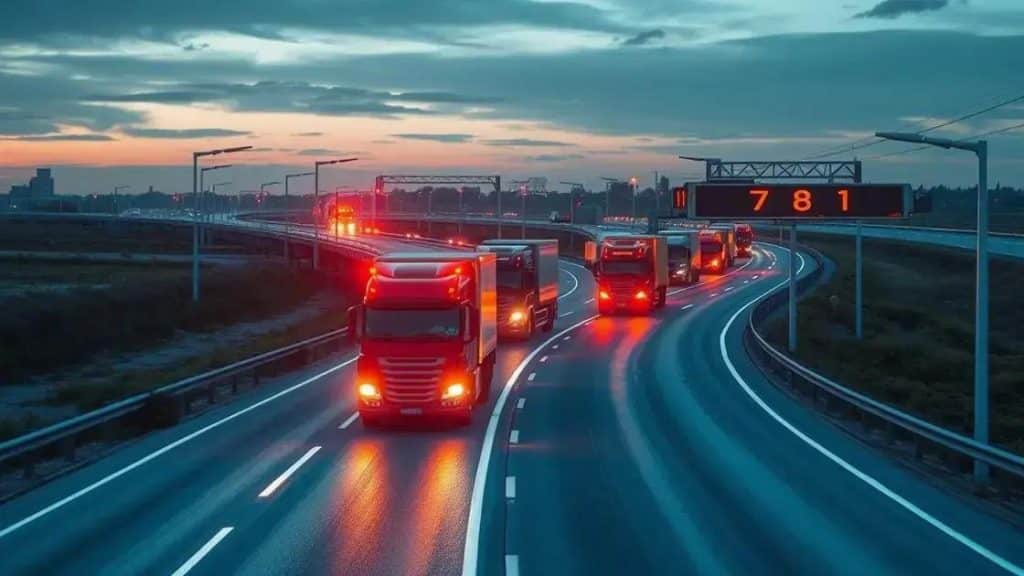
Autonomous freight corridor systems enhance logistics efficiency by utilizing automated vehicles and advanced technology, offering significant benefits such as cost savings, increased safety, and a reduced carbon footprint.
Autonomous freight corridor systems are paving the way for a revolution in the logistics industry. But how exactly do they transform the way goods move? Let’s dive into the details.
Understanding autonomous freight corridor systems
Understanding autonomous freight corridor systems is essential for grasping the future of logistics. These systems maximize efficiency and ensure timely delivery. By employing advanced technologies, they reshape how goods travel across regions.
How They Operate
Autonomous freight corridors function through a network of sensors and automated vehicles. These technologies communicate in real time, optimizing routes and reducing delays. This innovative approach helps minimize human error, creating a smoother supply chain.
Key Features
- Real-time tracking: Enables constant monitoring of shipments.
- Automated vehicles: Reduce reliance on human drivers for transportation.
- Smart infrastructure: Integrates various technologies for seamless operations.
- Data analytics: Analyzes performance to improve efficiency continually.
With the implementation of these systems, companies experience improved cargo handling. Reduced waiting times and increased reliability significantly impact overall productivity. As businesses embrace this technology, the logistics landscape evolves, addressing the demands of the modern market.
Another aspect to consider is the sustainability of these systems. Autonomous freight corridor systems typically incorporate eco-friendly solutions, further promoting responsible logistics practices. Utilizing cleaner energy sources can substantially reduce the carbon footprint of shipping operations.
The collaboration between technology and logistics in these corridors signifies a shift towards smarter shipping methods. Companies that adapt to these changes are more likely to thrive in a competitive environment.
The technological innovations driving these systems
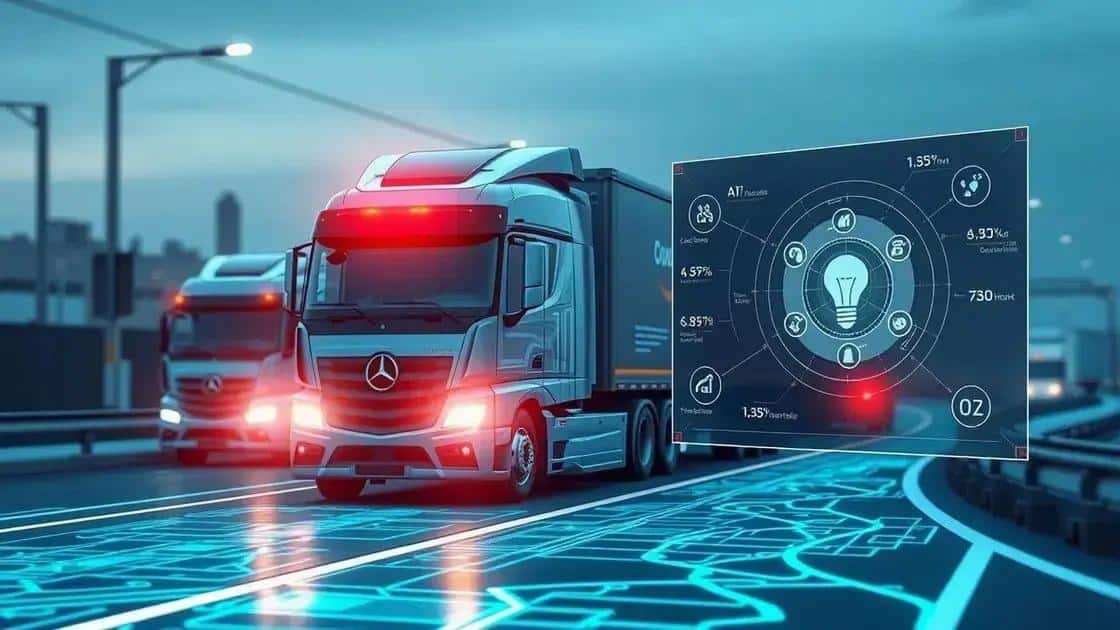
The technological innovations driving autonomous freight corridor systems are reshaping logistics as we know it. These advancements not only improve efficiency but also enhance safety and reliability. As technology continues to evolve, the potential for these corridors expands, promising exciting developments for the future.
Key Technologies
Several key technologies are at the forefront of this revolution. Each contributes to the seamless operation of freight corridors, making logistics smarter and more efficient.
- Artificial Intelligence: AI algorithms analyze data to optimize routes and predict delivery times, ensuring timely arrivals.
- Internet of Things (IoT): Sensors collect real-time data on vehicle performance and environmental conditions, enhancing monitoring and maintenance.
- Blockchain: This technology secures transactions and records, providing transparency throughout the supply chain.
- Autonomous Vehicles: Self-driving trucks and drones facilitate faster and safer deliveries, reducing reliance on human drivers.
Moreover, smart infrastructure plays a vital role in these systems. This infrastructure includes advanced traffic management systems that prioritize freight vehicles, minimizing delays. These improvements mean that goods can move more freely and quickly across the supply network.
As companies invest in these technological innovations, the logistics industry becomes more agile. The ability to quickly adapt to changing market conditions is essential. With autonomous freight systems, businesses can respond to customer demands promptly and effectively.
Additionally, data analytics helps identify inefficiencies and areas for improvement. Analyzing this data leads to smarter decision-making, helping companies reduce costs while maintaining high service levels. This strategic use of technology ensures that that they stay competitive.
Benefits of autonomous freight corridors for shipping
The benefits of autonomous freight corridors for shipping are vast, impacting businesses and the environment positively. These systems streamlining transportation lead to faster delivery times and lower operational costs, making logistics more efficient.
Enhanced Efficiency
One primary advantage is the increased efficiency in shipping operations. With autonomous vehicles, shipments can move continuously without breaks. This uninterrupted process often results in quicker delivery times, allowing businesses to meet customer demands more effectively.
Cost Savings
- Reduced Labor Costs: Autonomous systems minimize the need for human drivers, leading to significant labor savings.
- Lower Fuel Consumption: Optimized routes and continuous motion reduce overall fuel usage, resulting in lower costs.
- Maintenance Savings: Enhanced technology can predict vehicle maintenance needs, decreasing unexpected repair costs.
Moreover, these corridors promote safety. By utilizing advanced technology, the risk of accidents decreases. The systems are designed to manage traffic flow, reducing the likelihood of collisions and improving overall safety on the roads.
Environmental sustainability is another significant benefit. Autonomous freight corridors often incorporate cleaner technologies. This shift reduces the carbon footprint of transportation, promoting a more sustainable logistics industry. Companies that embrace this change not only improve their efficiency but also contribute to environmental goals.
Furthermore, predictability in shipping schedules enhances customer satisfaction. With autonomous systems, businesses can provide accurate delivery timelines. Customers appreciate knowing when to expect their shipments, leading to increased trust and loyalty.
Challenges and future outlook for autonomy in freight transport
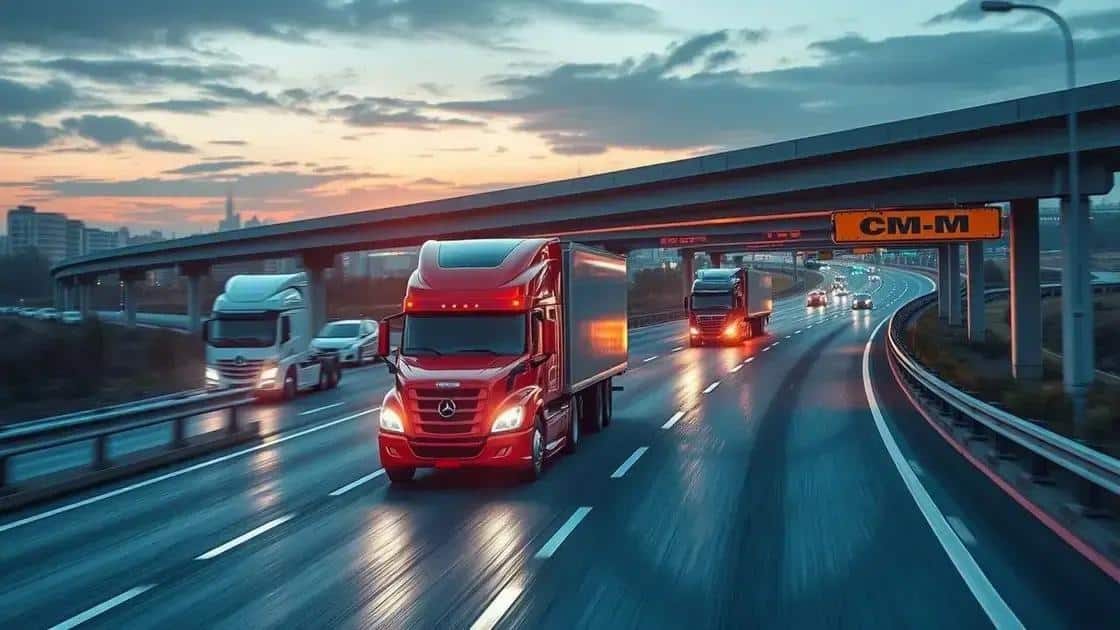
The challenges and future outlook for autonomy in freight transport encompass various factors that affect the adoption of this innovative technology. While the benefits are clear, certain hurdles remain to be addressed to ensure widespread implementation.
Current Challenges
One significant challenge is the regulatory landscape. Governments around the world are still establishing guidelines for autonomous vehicles. Unclear regulations can hinder the deployment of self-driving trucks and other automated transport solutions. Companies must navigate these complexities to ensure compliance while developing their technologies.
Safety and Infrastructure
- Safety Concerns: There is ongoing debate regarding the safety of self-driving systems. Ensuring that these vehicles can operate without causing accidents is paramount.
- Infrastructure Requirements: Existing infrastructure may need upgrades to accommodate autonomous technologies. Highways, traffic systems, and loading docks may require modernization.
- Public Acceptance: The acceptance of autonomous freight systems by the public is crucial. Concerns about job losses for drivers and trust in the technology play a significant role.
Another challenge lies in the integration of advanced technologies. Systems must communicate efficiently with each other, including traditional vehicles. This integration can be complex and may require new protocols and standards.
As for the future outlook, the advances in technology continue to promise exciting developments. Ongoing research in AI, machine learning, and IoT will enhance the capabilities of autonomous systems. As these technologies evolve, costs are expected to decrease, making automation more accessible for businesses of all sizes.
Moreover, partnerships between technology companies and logistic firms are likely to drive innovation. Collaborative efforts can accelerate the development of effective solutions to overcome the current challenges. Together, the industry can work towards making autonomous freight transport a reality.
FAQ – Frequently Asked Questions about Autonomous Freight Corridor Systems
What are autonomous freight corridor systems?
These systems utilize automated vehicles and smart technology to optimize shipping routes and improve logistics efficiency.
What are the main benefits of using autonomous freight corridors?
They offer enhanced efficiency, cost savings, increased safety, and environmental benefits through reduced carbon emissions.
What challenges do these systems face?
Challenges include regulatory hurdles, the need for infrastructure upgrades, safety concerns, and public acceptance of autonomous technology.
What is the future outlook for autonomous freight transport?
The future looks promising with ongoing technological advancements, collaborations between companies, and increased investment in automation.