Automation trends in warehouse logistics you need to explore
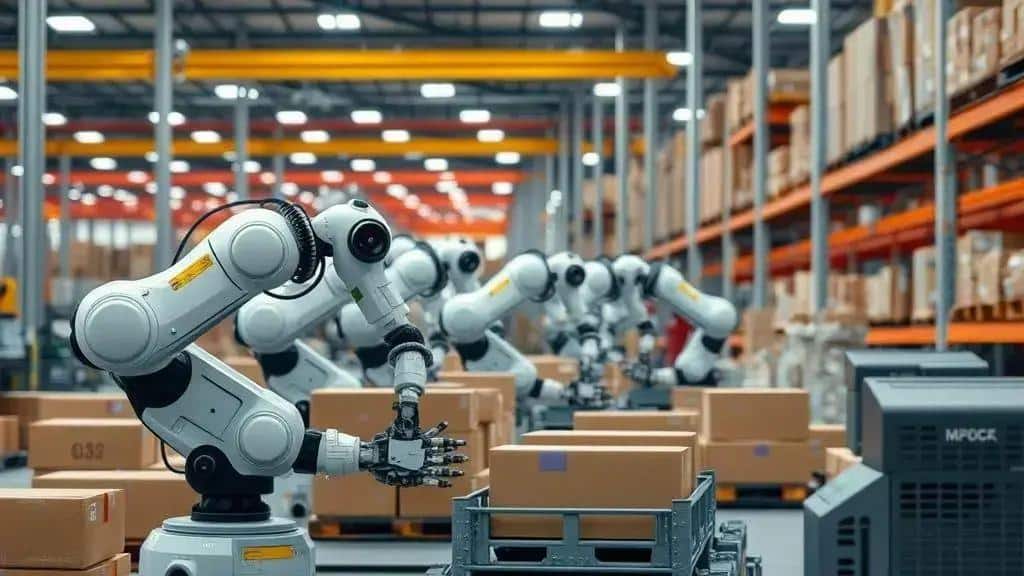
Automation trends in warehouse logistics significantly enhance efficiency and accuracy through advanced robotics, AI integration, and smart warehousing, while also addressing challenges such as costs and employee adaptation.
Automation trends in warehouse logistics are transforming the way goods are managed and processed. Have you ever wondered how these technologies can streamline operations and reduce costs? Let’s dive into the advancements that are making a difference.
Key benefits of automation in warehouses
Automation in warehouses brings significant advantages that can enhance operations. Understanding these key benefits helps businesses improve efficiency and productivity.
Increased Efficiency
One of the main benefits of automation is increased efficiency. Automating tasks reduces human error and speeds up processes. Robots and automated systems can sort, store, and retrieve items faster than humans.
Cost Savings
Another major advantage is cost savings. While the initial investment in automation may be high, the long-term savings are substantial. Automated systems lead to reduced labor costs and lower operational expenses.
- Decreased labor costs
- Lower operational expenses
- Minimized errors
- Increased throughput
Moreover, automation allows for better space utilization in warehouses. Smart storage systems dynamically adjust to inventory levels, maximizing the available space. This not only improves organization but also optimizes the overall workflow.
Improved Accuracy
With automation, accuracy in inventory management sees a substantial boost. Automated systems ensure that items are stored and retrieved correctly, resulting in fewer mistakes. This leads to higher customer satisfaction due to fewer order errors.
- Enhanced inventory tracking
- Fewer inaccuracies
- Quicker order fulfillment
- Better customer service
Overall, the implementation of automation transforms warehouse operations into a more streamlined and efficient process. As businesses adapt to these changes, they are able to meet customer demands more effectively.
Innovative technologies shaping logistics
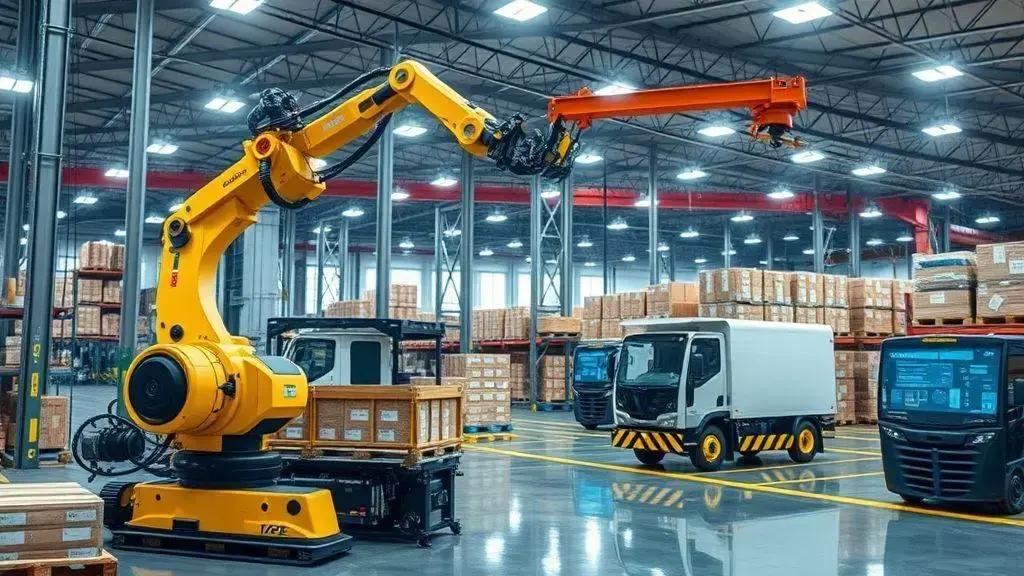
Innovative technologies are continuously shaping the logistics industry. These advancements are allowing warehouses to operate more efficiently and respond quicker to market demands.
Robotics and Automation
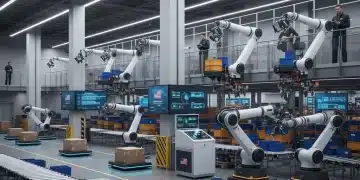
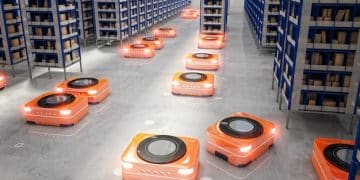
One of the most significant innovations is the use of robotics. Automated guided vehicles (AGVs) streamline the movement of goods within warehouses. These robots help in transporting items, reducing the need for manual labor and enhancing productivity.
Artificial Intelligence
Artificial Intelligence (AI) also plays a vital role. AI algorithms analyze data to optimize inventory management. This ensures that stock levels are maintained, and items are quickly replenished when needed. Predictive analytics further enhance efficiency by forecasting demand and trends.
- Enhanced decision-making
- Improved forecasting
- Reduction of waste
- Dynamic inventory management
Moreover, the integration of Internet of Things (IoT) devices in logistics provides real-time tracking of shipments. This connectivity enhances visibility, enabling businesses to monitor their supply chain closely.
Blockchain Technology
Another groundbreaking technology is blockchain. It increases transparency within the supply chain by allowing all parties to access the same information. This helps in reducing fraud and improving trust among stakeholders.
- Secure transactions
- Enhanced data integrity
- Better tracking of goods
- Efficient record-keeping
As these technologies converge, the future of logistics looks promising. With the right tools, warehouses can adapt to changes, ensuring they stay competitive in a fast-changing market.
Challenges of implementing automation
Implementing automation in warehouse logistics offers great potential, but it also presents several challenges. Companies must navigate these issues to ensure a smooth transition.
Initial Costs
One of the main challenges is the high initial cost of automation. Investing in advanced technologies such as robotics and AI can strain budgets. Many businesses struggle to justify these expenses, especially small to medium-sized enterprises.
Employee Resistance
Another hurdle is employee resistance. Workers may fear job loss due to automation. This can lead to low morale and pushback against new systems. To combat this, companies must communicate the benefits clearly and involve employees in the transition process.
- Training programs for staff
- Clear communication of goals
- Reassurance about job security
- Involvement of employees in decision-making
Moreover, integrating new technologies with existing systems can be complex. Companies often face compatibility issues, which can lead to delays and increased costs. It is essential to plan thoroughly and choose the right partners for implementation.
Maintenance and Upkeep
Maintenance is another critical concern. Automated systems require regular upkeep to function optimally. Companies must allocate resources for ongoing maintenance, including training personnel to handle technical issues. This requirement can further strain budgets and manpower.
- Scheduling regular maintenance checks
- Training staff on system upkeep
- Budgeting for repairs and updates
- Ensuring clear support channels with providers
As companies work through these challenges, they can pave the way for successful automation. Understanding the obstacles is the first step toward leveraging technology’s benefits in logistics.
Future predictions for warehouse logistics automation
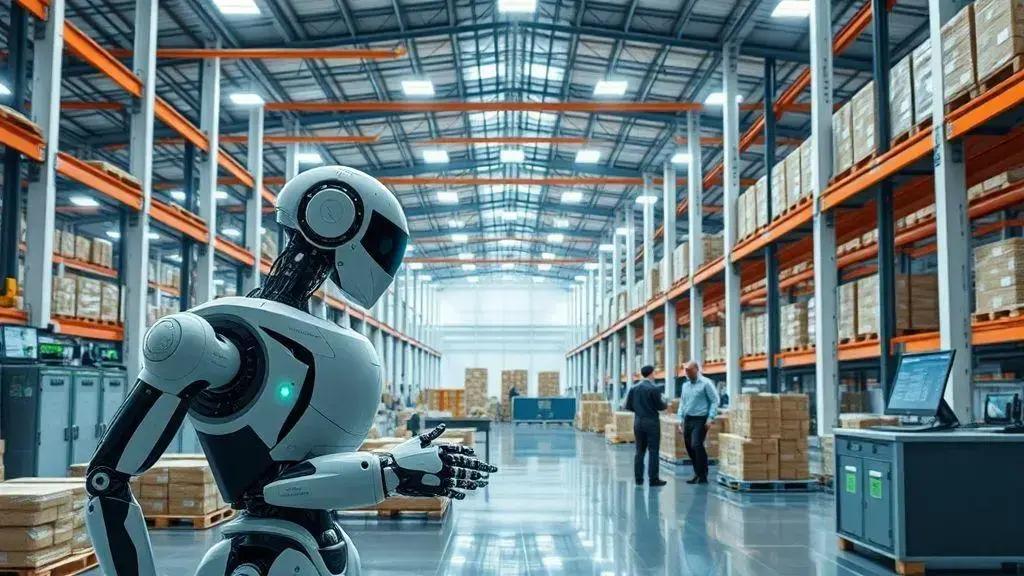
The future of warehouse logistics automation looks bright, with ongoing advancements set to change the industry landscape. Companies are gearing up to embrace new technologies that will enhance efficiency and effectiveness.
Smart Warehousing
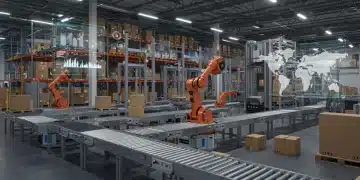
One major trend is the rise of smart warehousing. This concept involves integrating IoT devices for better data collection and analysis. With connected devices, warehouses can track inventory levels in real-time and predict when to reorder supplies. This technology minimizes stockouts and improves overall management.
Advanced Robotics
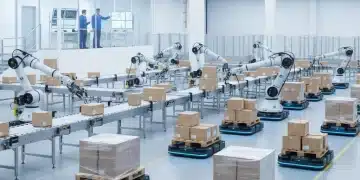
Robotics will continue to evolve, leading to more sophisticated automated systems. Future warehouses will likely feature robots that can perform complex tasks such as picking and packing. These advancements will allow for increased productivity and reduce human errors significantly.
- Flexible robots that adapt to various tasks
- Collaboration between robots and humans
- Lower operational costs
- Enhanced workflow efficiency
Moreover, the utilization of AI will drive decision-making processes in logistics. AI algorithms will analyze buy patterns and forecast trends, making supply chain management smarter and more responsive. This adaptive approach enables warehouses to meet consumer demands quickly.
Sustainability Innovations
Sustainability will also play a crucial role in the future of logistics automation. Environmentally friendly practices, such as energy-efficient systems and waste reduction, will become essential. Companies will adopt sustainable technologies to reduce their carbon footprint and adhere to environmental regulations.
- Energy-efficient automation systems
- Eco-friendly packaging solutions
- Strategies for reducing waste
- Utilization of renewable energy sources
As these innovations unfold, the warehouse logistics sector will become increasingly agile, competitive, and responsive to change. The future holds a promising landscape, where technology enhances every aspect of logistics.
As we look to the future, warehouse logistics automation is set to undergo significant transformations. With the rise of innovative technologies such as robotics, artificial intelligence, and smart warehousing, companies are poised to enhance efficiency and productivity. However, challenges like initial costs and employee resistance must be addressed for successful implementation. By embracing sustainability and staying adaptable, businesses can navigate the evolving landscape of logistics. Overall, the future holds great promise for those who are ready to innovate and evolve.
FAQ – Frequently Asked Questions about Warehouse Logistics Automation
What are the main benefits of warehouse automation?
Warehouse automation increases efficiency, reduces human errors, and lowers operational costs by streamlining processes.
What challenges might I face when implementing automation?
Challenges include high initial costs, employee resistance, integration complexities, and ongoing maintenance requirements.
How does robotics impact warehouse operations?
Robotics enhances productivity by automating tasks like picking and packing, allowing for faster and more accurate order fulfillment.
What role does sustainability play in warehouse automation?
Sustainability is vital as it drives the adoption of energy-efficient technologies and eco-friendly practices that minimize environmental impact.