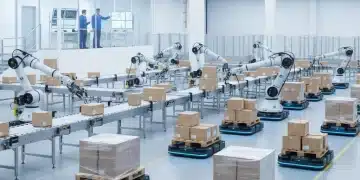
Warehouse Automation: Solving 2026 Labor Shortages in US Logistics
The U.S. logistics sector faces significant labor shortages by 2026. This article explores how advanced warehouse automation solutions, including robotics and AI, can mitigate these challenges, enhance operational efficiency, and boost output by an estimated 18%.

AI-Powered Route Optimization: 18% Fuel Savings for US Logistics by 2026
AI route optimization is revolutionizing U.S. logistics, promising an 18% reduction in fuel consumption by 2026. This article explores the technology, benefits, challenges, and future of AI in creating sustainable, efficient supply chains.

Sustainable Urban Development: A 6-Step Smart City Framework for U.S. Cities
This article outlines a 6-step framework for U.S. cities to embrace sustainable urban development using smart technology, focusing on practical implementation and long-term benefits for residents and the environment.

Supply Chain Disruptions Q4 2025: Impact on US Shipping Costs
This exclusive report delves into the significant supply chain disruptions of Q4 2025, revealing how they directly caused a 7% surge in U.S. consumer shipping costs by January 2026. Explore the contributing factors and the ripple effect on the economy.

Achieving 15% Faster Deliveries: Predictive AI for US Logistics in 2026
This article explores how U.S. logistics firms can significantly reduce delivery times by 15% by 2026 through the strategic adoption of predictive AI. Learn about its transformative power, key applications, and practical implementation for a competitive edge.
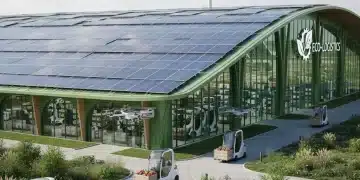
Net-Zero Warehousing: Powering U.S. Distribution with Renewable Energy by 2035
Achieving net-zero warehousing by 2035 is a critical step towards a sustainable supply chain. This post delves into integrating renewable energy sources like solar and wind into U.S. distribution centers, highlighting the economic and environmental benefits.
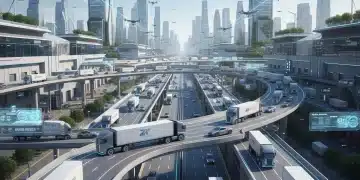
2026 Regulations: Autonomous Vehicle Impact on US Supply Chains
The 2026 regulations are set to revolutionize U.S. supply chains through autonomous vehicle integration. This article delves into the implications, challenges, and strategic preparations necessary for businesses to navigate this transformative landscape.

Navigating 2026 US Autonomous EV Regulations: Business Compliance Guide
This article provides a detailed overview of the evolving policy and regulatory landscape for autonomous electric vehicles in the US for 2026, offering crucial insights for businesses to ensure compliance, maximize efficiency, and prepare for future mobility challenges.

AI in Smart Cities 2026: National Deployment & Key Updates
This article delves into the critical advancements and national deployment plans for integrating AI into smart city infrastructure by 2026. Learn about the transformative potential, key updates, and strategic approaches for building more efficient and sustainable urban environments.

USDOT $5 Billion Grant: Fueling Smart City Logistics 2026
The US Department of Transportation (USDOT) has unveiled a monumental $5 billion infrastructure grant program for Smart City Logistics in 2026. This initiative aims to revolutionize urban freight, enhance operational efficiency, and significantly contribute to sustainable city development. Discover the program's impact and how it will shape the future of urban logistics.