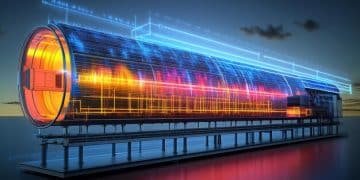
AI-Powered Smart Grids: 20% Energy Reduction for US Cities by 2026

The quest for sustainable urban development has never been more urgent. As U.S. cities grapple with growing populations, increasing energy demands, and the imperative to combat climate change, innovative solutions are paramount. Among the most promising advancements is the integration of Artificial Intelligence (AI) into smart grid infrastructure. This powerful synergy holds the potential to revolutionize urban energy management, offering a clear pathway for U.S. cities to reduce energy consumption by a remarkable 20% by 2026, with profound financial and environmental impacts. The focus keyword, AI Smart Grid Energy, encapsulates this transformative approach.
For decades, our energy grids have operated on a largely one-way, reactive model. Power flows from centralized generators to consumers, with little real-time feedback or optimization. This traditional infrastructure is inefficient, prone to outages, and ill-equipped to handle the complexities of modern energy demands, including the integration of intermittent renewable energy sources. Enter the smart grid, an intelligent network that uses digital technology to monitor, control, and manage energy distribution more efficiently. When infused with AI, the smart grid transcends its basic capabilities, becoming a dynamic, predictive, and self-optimizing system.
The 20% energy reduction target by 2026 is ambitious but achievable. It requires a concerted effort from city planners, utility companies, technology providers, and residents. This article will delve into the mechanisms by which AI Smart Grid Energy systems can deliver such significant savings, explore the financial incentives and returns on investment, and outline a strategic roadmap for U.S. cities to adopt these cutting-edge technologies.
The Core of AI Smart Grid Energy: How AI Transforms the Grid
At its heart, an AI Smart Grid Energy system leverages advanced algorithms and machine learning to analyze vast amounts of data in real-time. This data comes from an array of sources: smart meters, sensors embedded throughout the grid, weather forecasts, energy prices, and even social media trends that might indicate unusual energy usage patterns. The insights derived from this data enable unprecedented levels of control and optimization across the entire energy ecosystem.
Predictive Analytics for Demand-Side Management
One of the most significant contributions of AI is its ability to predict energy demand with remarkable accuracy. Traditional grids often overproduce or underproduce energy due to a lack of precise forecasting. AI algorithms can analyze historical consumption patterns, weather conditions, economic indicators, and even local events to predict future demand. This allows utility companies to adjust generation in real-time, minimizing waste from overproduction and preventing costly blackouts from underproduction. For example, if AI predicts a heatwave, it can preemptively adjust energy distribution to critical cooling centers, ensuring stability.
Optimizing Renewable Energy Integration
The intermittency of renewable energy sources like solar and wind power has historically posed a challenge for grid stability. Clouds can unexpectedly cover solar panels, and wind speeds can fluctuate. AI Smart Grid Energy systems are designed to manage this variability. AI can forecast renewable energy output based on weather patterns and integrate this information with demand predictions. It can then dynamically adjust the mix of energy sources, automatically dispatching stored energy from batteries or ramping up traditional generators when renewables fall short, and vice versa. This seamless integration maximizes the use of clean energy, reducing reliance on fossil fuels.
Fault Detection and Self-Healing Capabilities
Power outages are not only inconvenient but also costly. Traditional grids can take hours or even days to identify and repair faults. AI-powered smart grids can detect anomalies and faults almost instantaneously. Machine learning algorithms can identify the precise location of a fault, isolate the affected section of the grid, and even reroute power around the problem area to restore service to unaffected customers. This ‘self-healing’ capability dramatically reduces outage times and improves grid resilience, saving millions in repair costs and lost productivity.
Personalized Energy Management for Consumers
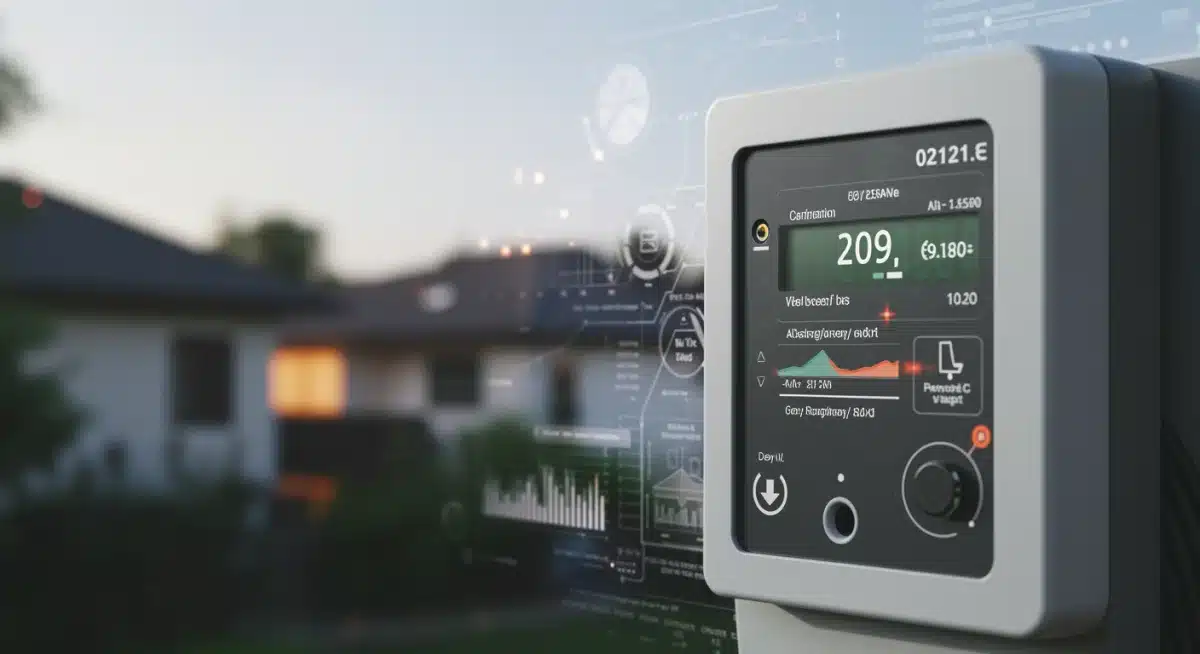
The benefits of AI Smart Grid Energy extend directly to consumers. Smart meters, enabled by AI, provide real-time consumption data, empowering individuals and businesses to make informed decisions about their energy usage. AI-powered home energy management systems can learn occupants’ preferences and optimize HVAC, lighting, and appliance usage to minimize consumption without sacrificing comfort. For instance, an AI system might pre-cool a home during off-peak hours when electricity is cheaper, or automatically turn off lights in empty rooms. This granular control is crucial for achieving the 20% reduction target.
Financial Impact: The Economic Case for AI Smart Grids
The investment in AI Smart Grid Energy infrastructure is substantial, but the financial returns are equally compelling. The 20% energy reduction by 2026 translates into billions of dollars in savings for U.S. cities, utilities, and consumers.
Reduced Operational Costs for Utilities
For utility companies, AI-driven optimization leads to significant operational cost reductions. Improved forecasting minimizes the need to purchase expensive peak power from external sources. Enhanced fault detection and self-healing reduce maintenance costs and labor associated with prolonged outages. The ability to manage voltage more precisely across the grid also reduces line losses, which currently account for a considerable portion of generated electricity.
Lower Energy Bills for Consumers and Businesses
A 20% reduction in energy consumption directly translates to lower monthly utility bills for residents and businesses. This frees up disposable income for households and reduces operating expenses for companies, fostering economic growth within the city. Moreover, demand-response programs, facilitated by AI, can incentivize consumers to shift energy-intensive activities to off-peak hours, further reducing their costs and contributing to grid stability.
Increased Revenue from Renewable Energy Integration
By efficiently integrating more renewable energy, cities can reduce their reliance on volatile fossil fuel markets. This not only offers price stability but can also create new revenue streams, especially for cities that invest in local renewable generation. Excess renewable energy can be sold back to the grid, or even stored and dispatched during high-demand periods, generating profit. The increased reliability of the grid, thanks to AI, also attracts businesses looking for stable and sustainable energy sources.
Avoided Costs from Infrastructure Upgrades
Traditional solutions to increasing energy demand often involve costly investments in new power plants and transmission lines. AI Smart Grid Energy systems can defer or even eliminate the need for some of these expensive upgrades by optimizing existing infrastructure. By making the grid more efficient and responsive, cities can effectively increase their energy capacity without building new physical assets, leading to massive long-term savings.
Job Creation and Economic Development
The transition to AI-powered smart grids will also stimulate job creation in various sectors, including software development, data science, electrical engineering, and installation and maintenance of new smart grid components. This creates a new wave of economic opportunities and positions cities at the forefront of technological innovation.
Strategic Roadmap for U.S. Cities to Achieve 20% Energy Reduction
Implementing an AI Smart Grid Energy system is a complex undertaking that requires a multi-faceted strategy. Here’s a roadmap for U.S. cities aiming for a 20% energy reduction by 2026:
Phase 1: Assessment and Planning (Year 1)
- Conduct a Comprehensive Energy Audit: Understand current energy consumption patterns, major energy users, and existing infrastructure limitations.
- Develop a Master Plan: Outline specific goals, timelines, budget allocations, and key performance indicators (KPIs) for the smart grid implementation. This plan should include a clear vision for how AI Smart Grid Energy will integrate with existing urban development goals.
- Secure Funding and Partnerships: Explore federal grants (e.g., from the Department of Energy), state incentives, private investments, and public-private partnerships. Engage with utility companies, technology providers, and academic institutions.
- Establish Regulatory Frameworks: Work with state and local regulators to create supportive policies for smart grid deployment, data privacy, and renewable energy integration.
Phase 2: Infrastructure Development and Pilot Programs (Years 1-2)
- Deploy Smart Meters: Install advanced metering infrastructure (AMI) across residential, commercial, and industrial sectors. This is the foundation for collecting granular energy data.
- Upgrade Grid Components: Implement smart sensors, intelligent switches, and advanced communication networks (e.g., fiber optics, 5G) to enable real-time data flow and control.
- Invest in Energy Storage: Deploy battery storage solutions at various points in the grid to store excess renewable energy and provide grid stability.
- Launch Pilot Programs: Implement small-scale AI Smart Grid Energy projects in specific neighborhoods or commercial districts to test technologies, gather data, and refine strategies before city-wide rollout.
Phase 3: AI Integration and Optimization (Years 2-3)
- Develop AI Platforms: Implement robust AI and machine learning platforms capable of processing vast datasets, performing predictive analytics, and making autonomous decisions for grid optimization.
- Integrate Renewable Energy Sources: Connect distributed renewable energy sources (rooftop solar, community solar farms, wind turbines) to the smart grid, leveraging AI for seamless integration and dispatch.
- Implement Demand Response Programs: Roll out AI-driven demand response programs that incentivize consumers to reduce or shift energy usage during peak times.
- Cybersecurity Measures: Implement advanced cybersecurity protocols to protect the smart grid from cyber threats, ensuring data integrity and operational stability.
Phase 4: Scaling and Continuous Improvement (Years 3-5)
- City-Wide Rollout: Expand the AI Smart Grid Energy infrastructure and AI platforms across the entire city, based on insights gained from pilot programs.
- Public Engagement and Education: Launch comprehensive public awareness campaigns to educate residents and businesses about the benefits of smart grids and how they can participate in energy reduction efforts.
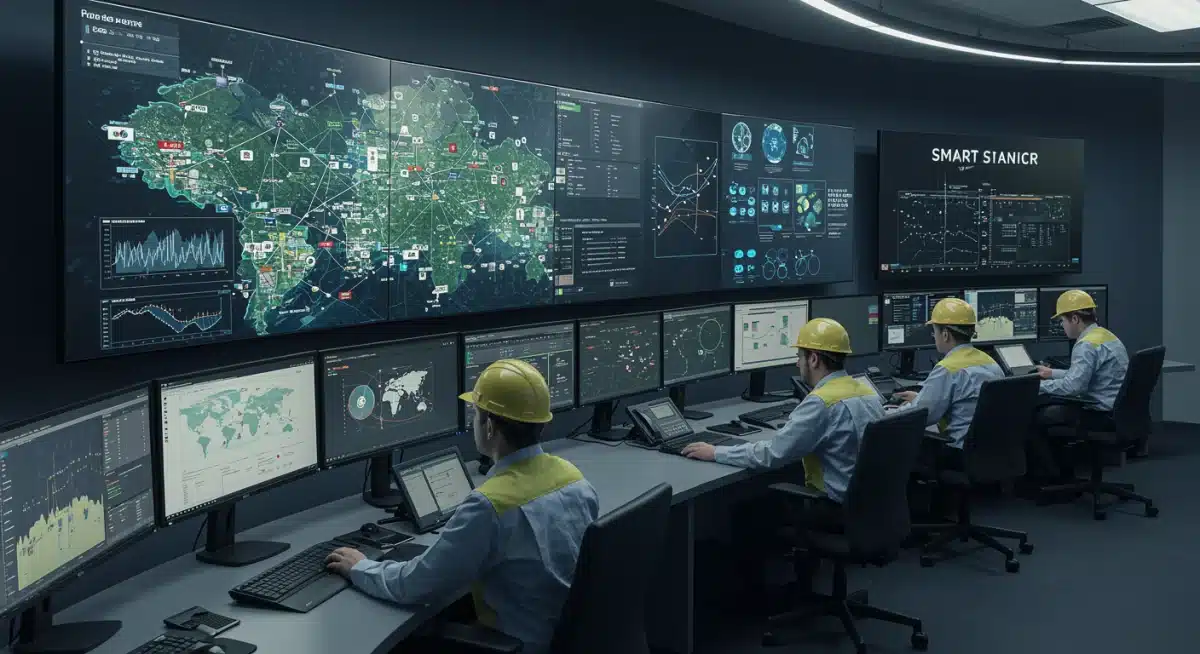
- Performance Monitoring and Adjustment: Continuously monitor grid performance, energy consumption metrics, and financial savings. Use AI to identify further optimization opportunities and adapt to changing energy landscapes and technological advancements.
- Innovation Hubs: Foster local innovation by creating hubs for research and development in smart grid technologies and AI applications, encouraging startups and academic collaborations.
Challenges and Considerations
While the benefits of AI Smart Grid Energy are clear, several challenges must be addressed for successful implementation:
- Cost of Initial Investment: The upfront capital expenditure for smart grid infrastructure and AI platforms can be significant. Creative financing models and government incentives are crucial.
- Legacy Infrastructure Integration: Integrating new AI-powered systems with decades-old legacy infrastructure can be complex and expensive. A phased approach is often necessary.
- Data Privacy and Security: Smart grids collect vast amounts of data, raising concerns about privacy and cybersecurity. Robust security measures and transparent data governance policies are essential to build public trust.
- Regulatory Hurdles: Existing energy regulations may not be designed for the dynamic, decentralized nature of smart grids. Regulatory modernization is needed to facilitate innovation.
- Workforce Development: A skilled workforce is required to design, implement, and maintain AI-powered smart grids. Investment in education and training programs is vital.
The Broader Impact: Beyond Energy Savings
The adoption of AI Smart Grid Energy systems extends beyond mere energy reduction and financial savings. It paves the way for a more resilient, sustainable, and equitable urban future.
Environmental Benefits
A 20% reduction in energy consumption directly translates to a significant decrease in greenhouse gas emissions. By maximizing renewable energy integration and minimizing waste, cities can drastically reduce their carbon footprint, contributing to global climate change mitigation efforts. Improved air quality due to reduced reliance on fossil fuel power plants also leads to better public health outcomes.
Enhanced Grid Resiliency and Reliability
In an era of increasing extreme weather events, grid resilience is paramount. AI-powered smart grids are inherently more robust and capable of withstanding and recovering from disruptions. Their self-healing capabilities ensure that essential services remain operational, protecting communities during crises.
Promoting Energy Equity
Smart grid technologies can also address issues of energy equity. By providing real-time data and demand-response programs, low-income households can better manage their energy consumption and reduce their bills. Furthermore, localized renewable energy generation can empower communities and reduce their dependence on distant, centralized power sources.
Catalyst for Innovation
Investing in AI Smart Grid Energy positions cities as leaders in technological innovation. This attracts tech companies, researchers, and talent, fostering a vibrant ecosystem of smart city development that extends beyond energy to areas like intelligent transportation, waste management, and public safety.
Conclusion: A Brighter, Smarter Energy Future
The opportunity for U.S. cities to reduce energy consumption by 20% by 2026 through the implementation of AI Smart Grid Energy systems is not just a technological aspiration; it’s an economic imperative and an environmental necessity. The financial benefits, ranging from reduced operational costs for utilities to lower energy bills for consumers and avoided infrastructure expenses, paint a compelling picture for investment.
While challenges exist, a strategic, phased approach, coupled with strong political will, public-private partnerships, and community engagement, can overcome these hurdles. By embracing AI and smart grid technologies, U.S. cities can transform their energy landscapes, create more resilient and sustainable urban environments, and secure a brighter, more energy-efficient future for generations to come. The time to act is now, to harness the power of AI and redefine how our cities consume and manage energy.