AI-Powered Route Optimization: 18% Fuel Savings for US Logistics by 2026
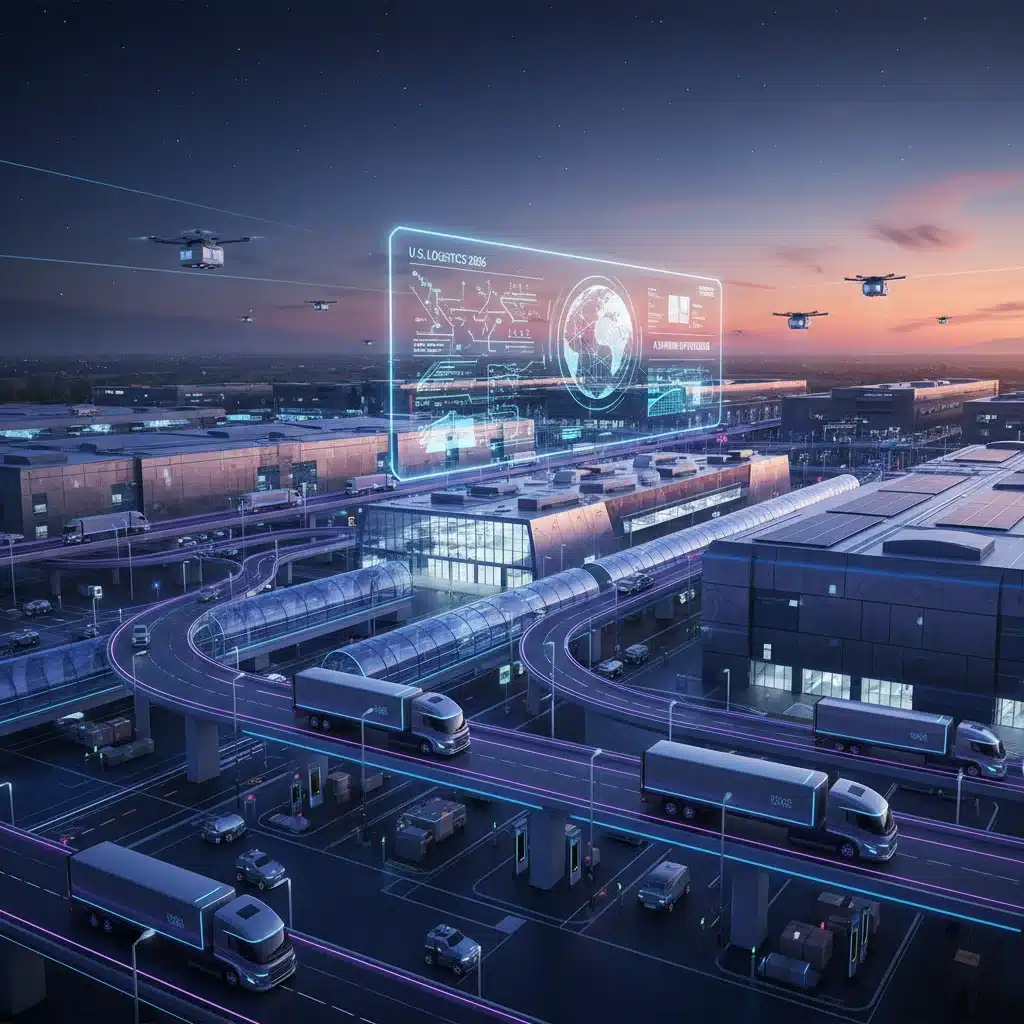
In an era defined by rapid technological advancements and increasing environmental consciousness, the logistics sector stands at a pivotal crossroads. The demand for faster, more reliable, and, crucially, more sustainable delivery solutions has never been higher. Against this backdrop, Artificial Intelligence (AI) emerges not just as a tool for incremental improvement, but as a transformative force capable of fundamentally reshaping how goods are moved across the United States. The promise is significant: a projected 18% reduction in fuel consumption for U.S. logistics by 2026, largely driven by sophisticated AI route optimization.
This isn’t merely an aspirational goal; it’s a tangible outcome supported by robust data and unfolding technological capabilities. The U.S. logistics industry, a colossal engine of the national economy, faces immense pressure to enhance efficiency while simultaneously mitigating its environmental footprint. Traditional route planning, often reliant on static maps, historical data, and human intuition, is increasingly insufficient to meet these dynamic challenges. Enter AI, with its unparalleled ability to process vast datasets, identify complex patterns, and make real-time, predictive adjustments.
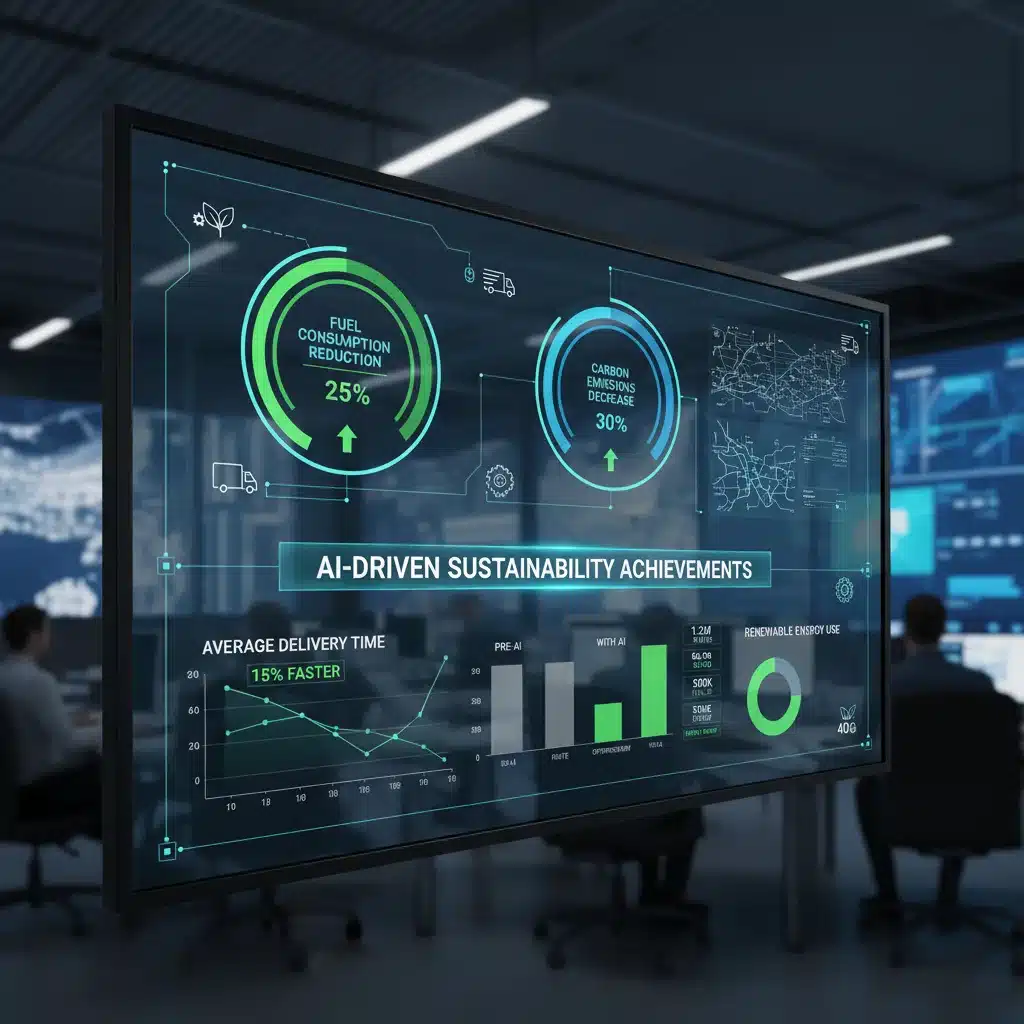
The implications of such a significant reduction in fuel consumption are far-reaching. Economically, it translates into substantial cost savings for logistics companies, allowing for reinvestment in infrastructure, technology, and workforce development. Environmentally, an 18% cut in fuel usage means a direct and considerable decrease in greenhouse gas emissions, contributing directly to national and global climate objectives. This article delves deep into the mechanics, benefits, challenges, and future trajectory of AI route optimization, exploring how it is poised to redefine the landscape of sustainable logistics in the U.S.
The Imperative for Change: Why U.S. Logistics Needs AI Route Optimization
The U.S. logistics sector is characterized by its sheer scale and complexity. Millions of vehicles traverse hundreds of thousands of miles daily, delivering everything from essential goods to luxury items. This extensive network, while vital, is also a major consumer of fossil fuels and a significant contributor to carbon emissions. The challenges are multifaceted:
- Fuel Volatility: Fluctuating fuel prices directly impact operational costs, making efficiency a constant pursuit.
- Environmental Regulations: Stricter emissions standards and growing public pressure demand greener operations.
- Traffic Congestion: Urban and inter-urban traffic delays lead to increased fuel burn, extended delivery times, and driver stress.
- Driver Shortages: Optimizing routes can help maximize the efficiency of existing driver fleets.
- Customer Expectations: The rise of e-commerce has set new benchmarks for delivery speed and transparency, requiring agile and precise logistics.
Traditional route planning software, while helpful, often operates on fixed algorithms and lacks the adaptive intelligence to respond to real-time variables. This is where AI route optimization distinguishes itself. By leveraging machine learning, predictive analytics, and sophisticated algorithms, AI can transcend the limitations of conventional systems, offering a dynamic and intelligent approach to logistics management.
Understanding AI Route Optimization: Beyond Basic GPS
At its core, AI route optimization is about using artificial intelligence to determine the most efficient paths for vehicles, considering a multitude of factors that go far beyond simple shortest-distance calculations. It’s a sophisticated interplay of data collection, analysis, and predictive modeling.
How AI Transforms Route Planning:
- Data Integration and Analysis: AI systems ingest massive amounts of data from various sources: historical traffic patterns, real-time traffic updates, weather forecasts, road construction alerts, vehicle telemetry (speed, fuel consumption), driver availability, delivery windows, package weight/volume, and even customer preferences.
- Predictive Modeling: Machine learning algorithms analyze this data to predict future conditions. For instance, they can anticipate traffic bottlenecks at certain times of day or predict the impact of a sudden weather event on road conditions.
- Dynamic Re-routing: Unlike static systems, AI-powered platforms continuously monitor conditions and can dynamically re-route vehicles in real-time. If an accident occurs on a planned route, the AI can instantly calculate and suggest an alternative, minimizing delays and wasted fuel.
- Constraints and Objectives: AI can optimize routes based on complex business rules and objectives. This might include minimizing fuel consumption, reducing delivery times, maximizing vehicle capacity, ensuring compliance with driver hours-of-service regulations, or prioritizing urgent deliveries.
- Machine Learning for Continuous Improvement: Every trip completed provides new data for the AI to learn from. Over time, the system becomes increasingly accurate and efficient, refining its algorithms and improving its predictions. This continuous learning loop is a hallmark of true AI.
Consider the difference: a traditional system might suggest the shortest path between point A and point B. An AI route optimization system, however, might suggest a slightly longer path that avoids a predicted traffic jam, ultimately saving more time and fuel. This intelligent foresight is what makes AI so powerful in logistics.
The Road to 18% Fuel Reduction: Mechanisms and Methodologies
Achieving an 18% reduction in fuel consumption is an ambitious but attainable goal, predicated on several key mechanisms facilitated by AI route optimization.
Key Pillars of Fuel Efficiency Through AI:
- Optimal Pathfinding: This is the most direct impact. AI considers traffic, road conditions, speed limits, and elevation changes to find routes that are not just short, but also smooth and efficient for fuel consumption. Avoiding stop-and-go traffic, steep inclines, and rough roads directly translates to less fuel used.
- Consolidated Deliveries and Backhauling: AI can identify opportunities to combine multiple deliveries into fewer routes or to utilize empty return trips (backhauling) to pick up new cargo. This reduces the number of overall trips and vehicle miles traveled.
- Vehicle Load Optimization: By intelligently assigning packages to vehicles based on size, weight, and delivery sequence, AI ensures that trucks are utilized to their maximum capacity, reducing the need for additional vehicles and associated fuel burn.
- Reduced Idling Time: By providing precise arrival windows and optimizing sequences, AI can minimize the time vehicles spend idling at delivery points or in traffic, a significant source of wasted fuel.
- Predictive Maintenance and Vehicle Health: While not directly route optimization, AI can also analyze vehicle telematics to predict maintenance needs, ensuring vehicles are always operating at peak fuel efficiency and preventing breakdowns that could lead to costly re-routing and delays.
- Driver Behavior Coaching: Some AI systems integrate with driver behavior monitoring, offering feedback on harsh braking, rapid acceleration, and excessive speeding, all of which negatively impact fuel efficiency.

Economic and Environmental Benefits: A Dual Win
The adoption of AI route optimization presents a compelling case for both economic prosperity and environmental stewardship.
Economic Advantages:
- Significant Cost Savings: Fuel is often one of the largest operational expenses for logistics companies. An 18% reduction directly impacts the bottom line, freeing up capital for other investments.
- Increased Productivity: Optimized routes mean more deliveries in less time, enhancing overall operational efficiency and potentially allowing for increased delivery capacity without expanding the fleet.
- Reduced Labor Costs: More efficient routes can lead to a decrease in driver hours per delivery, especially when considering overtime.
- Lower Maintenance Costs: Smoother routes with less wear and tear on vehicles, coupled with predictive maintenance, can extend vehicle lifespan and reduce repair expenses.
- Enhanced Customer Satisfaction: Faster, more reliable, and transparent deliveries lead to happier customers and stronger brand loyalty.
Environmental Impact:
- Reduced Carbon Emissions: This is perhaps the most critical environmental benefit. Less fuel burned directly translates to fewer greenhouse gas emissions, helping combat climate change and improving air quality in urban areas.
- Decreased Noise Pollution: Fewer vehicles on the road or shorter travel times can contribute to reduced noise pollution in residential and commercial zones.
- Contribution to ESG Goals: Companies can demonstrate their commitment to Environmental, Social, and Governance (ESG) principles, appealing to socially conscious investors and consumers.
- Sustainable Supply Chains: AI fosters the development of truly sustainable supply chains, moving beyond mere compliance to proactive environmental responsibility.
The synergy between these economic and environmental benefits creates a powerful incentive for widespread adoption of AI route optimization across the U.S. logistics sector.
Challenges and Considerations for Adoption
While the benefits are clear, the path to widespread AI route optimization adoption is not without its hurdles.
Key Challenges:
- Data Integration Complexity: Logistics operations often involve disparate data systems. Integrating these into a unified platform that AI can leverage effectively can be a significant technical challenge.
- Initial Investment: Implementing sophisticated AI solutions requires a substantial upfront investment in software, hardware, and training.
- Talent Gap: There’s a need for skilled professionals who can manage, interpret, and optimize AI systems, which may require workforce retraining or new hires.
- Resistance to Change: Employees accustomed to traditional methods may resist new technologies, necessitating robust change management strategies.
- Accuracy and Reliability: AI models are only as good as the data they’re fed. Inaccurate or incomplete data can lead to suboptimal routes and erode trust in the system.
- Cybersecurity Concerns: As more data is collected and processed, ensuring the security of sensitive logistical and customer information becomes paramount.
- Regulatory Landscape: The evolving regulatory environment around AI and data privacy could pose challenges for implementation and compliance.
Addressing these challenges requires a strategic approach, involving careful planning, collaboration with technology providers, and a commitment to continuous improvement.
Case Studies and Real-World Impact
Numerous companies are already demonstrating the tangible benefits of AI route optimization. While specific figures for an 18% reduction by 2026 are a projection, current implementations show promising results:
- Major E-commerce Retailers: Companies like Amazon have long leveraged sophisticated AI for their vast delivery networks, constantly optimizing routes for speed and efficiency, leading to significant fuel savings and reduced delivery times.
- Food Delivery Services: Companies such as DoorDash and Uber Eats use AI to dynamically assign orders, optimize driver routes, and predict demand, cutting down on mileage and fuel consumption per delivery.
- Freight and Trucking Companies: Several large trucking firms are implementing AI to optimize long-haul routes, considering factors like truck stops, driver rest periods, and freight consolidation, reporting notable reductions in fuel costs and improved on-time delivery rates.
- Last-Mile Delivery Startups: Smaller, agile companies are building their entire business models around AI-driven logistics, achieving hyper-efficiency in urban last-mile deliveries.
These real-world examples serve as powerful proof points, illustrating the practical applicability and measurable impact of AI route optimization in diverse logistical contexts.
The Future of Logistics: Beyond 2026 with AI
The projected 18% fuel reduction by 2026 is just the beginning. The future of logistics, powered by AI, promises even greater transformations.
Emerging Trends and Future Possibilities:
- Autonomous Vehicles: As autonomous trucks become more prevalent, AI route optimization will seamlessly integrate with their operational systems, enabling even more precise and continuous self-optimization.
- Drone and Robot Deliveries: AI will be crucial for coordinating mixed fleets of traditional vehicles, drones, and delivery robots, optimizing their movements in complex urban environments.
- Hyper-Personalized Logistics: AI could enable highly personalized delivery options, adjusting routes in real-time based on individual customer preferences for delivery windows, locations, and even specific package handling instructions.
- Supply Chain Resilience: AI will enhance supply chain resilience by predicting disruptions (e.g., natural disasters, geopolitical events) and rapidly re-optimizing entire networks to minimize impact.
- Integration with Smart Cities: AI route optimization will become a key component of smart city infrastructure, interacting with intelligent traffic systems to further reduce congestion and emissions.
- Predictive Analytics for Demand Forecasting: AI can predict demand with greater accuracy, allowing logistics providers to pre-position inventory and optimize routes even before orders are placed, leading to ultra-efficient operations.
The continuous evolution of AI, coupled with advancements in sensor technology, connectivity (5G), and computing power, will unlock new levels of efficiency and sustainability, far exceeding current projections. The logistics sector is on the cusp of an intelligent revolution, with AI at its helm.
Implementing AI Route Optimization: A Strategic Roadmap
For logistics companies looking to harness the power of AI, a structured approach is essential.
Steps for Successful Implementation:
- Assess Current Operations: Understand existing pain points, data sources, and current route planning methodologies.
- Define Clear Objectives: What specific metrics do you want to improve (e.g., fuel consumption, delivery time, driver utilization)?
- Data Preparation: Clean, standardize, and integrate relevant data from all operational systems. This is often the most critical and time-consuming step.
- Pilot Program: Start with a small-scale implementation or a specific segment of your operations to test the AI solution and gather initial insights.
- Vendor Selection: Choose an AI solution provider that aligns with your specific needs, budget, and integration capabilities. Consider scalability and ongoing support.
- Training and Change Management: Invest in training your staff and develop a robust change management strategy to ensure smooth adoption.
- Monitor and Iterate: Continuously monitor performance, gather feedback, and use the AI’s learning capabilities to refine and improve the system over time.
- Scale Up: Once the pilot is successful, gradually expand the AI solution across your entire operation.
By following a methodical implementation strategy, logistics businesses can effectively navigate the complexities of adopting AI and realize its full potential for fuel savings and operational excellence.
Conclusion: AI – The Engine of Sustainable U.S. Logistics
The journey towards a more sustainable and efficient U.S. logistics sector is undeniably being paved by Artificial Intelligence. The ambitious target of an 18% reduction in fuel consumption by 2026 is not just a statistic; it represents a paradigm shift in how goods are moved, managed, and delivered across the nation. AI route optimization is the linchpin of this transformation, offering a sophisticated, dynamic, and continuously learning approach to logistics challenges.
From mitigating the economic burden of fuel costs to significantly reducing carbon emissions, the benefits are profound and far-reaching. While challenges related to data integration, initial investment, and workforce adaptation exist, the forward momentum of technological innovation and the undeniable advantages of AI make its widespread adoption inevitable.
As we look towards 2026 and beyond, AI will continue to evolve, integrating with emerging technologies like autonomous vehicles and smart city infrastructure to create an interconnected, hyper-efficient, and truly sustainable logistics ecosystem. For businesses in the U.S. logistics industry, embracing AI route optimization is no longer an option but a strategic imperative for future success and environmental responsibility. The future of logistics is intelligent, and it’s arriving faster than ever before.