AI-Powered Route Optimization: 10% Delivery Time Reduction in US Metros
Early 2026 Data Shows 10% Reduction in Urban Delivery Times with AI-Powered Route Optimization in Major US Metro Areas
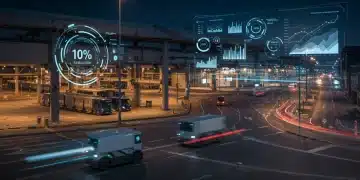
The urban landscape is constantly evolving, and with it, the demands placed on logistics and delivery services. As cities grow denser and consumer expectations for speed and efficiency climb, the challenge of timely deliveries becomes increasingly complex. However, a groundbreaking shift is underway, driven by the transformative power of artificial intelligence. Early data from 2026 paints a compelling picture: major US metropolitan areas are experiencing a remarkable 10% reduction in urban delivery times, directly attributable to the widespread adoption of AI route optimization.
This isn’t just a marginal improvement; it’s a significant leap forward that impacts everything from operational costs for businesses to the environmental footprint of urban logistics. The implications are vast, touching upon urban planning, traffic management, and even the daily lives of city dwellers. In this comprehensive article, we will delve into the mechanisms behind this success, explore the benefits and challenges, and project the future trajectory of AI route optimization in reshaping our urban delivery ecosystems.
The Dawn of Smarter Logistics: Understanding AI Route Optimization
At its core, AI route optimization refers to the application of artificial intelligence and machine learning algorithms to calculate the most efficient paths for delivery vehicles. Unlike traditional GPS systems that offer static, pre-programmed routes, AI-powered systems are dynamic, predictive, and constantly learning. They factor in an astonishing array of variables in real-time, making decisions that human planners simply cannot process with the same speed and accuracy.
How AI Transforms Delivery Planning
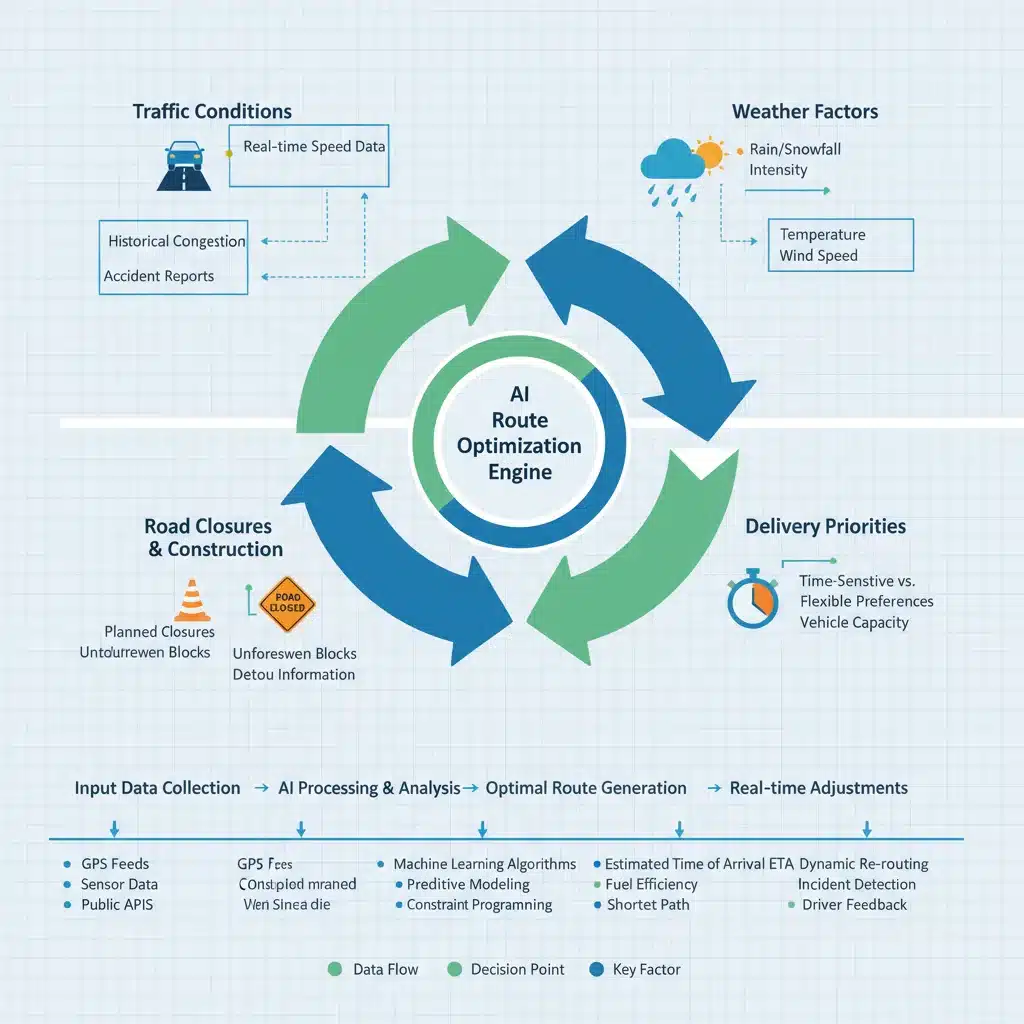
- Real-time Data Integration: AI systems ingest live data feeds including traffic conditions, weather patterns, road closures, construction zones, and even historical delivery performance data. This allows for immediate adjustments to routes as unforeseen circumstances arise.
- Predictive Analytics: Leveraging machine learning, these systems can predict future traffic congestion, potential delays, and optimal delivery windows based on historical trends and current conditions. This proactive approach minimizes reactive problem-solving.
- Dynamic Routing: As new orders come in or cancellations occur, the AI can instantly re-optimize routes for entire fleets, ensuring that every vehicle is operating at peak efficiency. This is particularly crucial for on-demand delivery services.
- Multi-factor Optimization: Beyond just shortest distance, AI route optimization considers fuel efficiency, vehicle capacity, driver availability, delivery time windows, customer preferences, and even carbon emission reduction targets.
- Learning and Adaptation: Over time, the AI learns from past routes, successes, and failures, continuously refining its algorithms to become even more accurate and efficient. This iterative improvement is a key differentiator from static systems.
The 10% reduction in urban delivery times reported in early 2026 is a testament to the sophistication and effectiveness of these advanced systems. This improvement isn’t merely theoretical; it’s a measurable, tangible benefit being realized by businesses and consumers alike across major US metropolitan areas.
Key Drivers Behind the 10% Reduction
Several factors have converged to enable this significant improvement in urban delivery efficiency. The advancements in AI algorithms coincide with increased computational power and the proliferation of data sources, creating a perfect storm for innovation in logistics.
Technological Advancements
- Sophisticated Algorithms: Modern AI route optimization algorithms, including deep learning and reinforcement learning, are capable of handling immense datasets and complex combinatorial problems that were once computationally intractable.
- Cloud Computing: The scalability of cloud platforms allows delivery companies to process vast amounts of real-time data and run complex optimization models without needing massive on-premise infrastructure.
- IoT and Telematics: The rise of the Internet of Things (IoT) in vehicles, combined with advanced telematics, provides a constant stream of data about vehicle location, speed, fuel consumption, and driver behavior, feeding into the AI models.
- Enhanced Mapping Data: High-definition mapping services, coupled with real-time traffic and incident reporting from various sources, offer an unprecedented level of detail and accuracy for route planning.
Industry Adoption and Investment
The logistics sector, facing intense pressure from e-commerce growth and rising operational costs, has been a significant early adopter of AI route optimization. Major players, from global shipping giants to local last-mile delivery services, have invested heavily in integrating these technologies into their operations. This widespread adoption has created a network effect, where more data leads to better algorithms, which in turn drives further adoption.
Furthermore, the competitive landscape demands efficiency. Companies that fail to optimize their delivery networks risk falling behind. This fierce competition has spurred rapid innovation and deployment of AI solutions, directly contributing to the reported 10% reduction in delivery times.
Impacts and Benefits Beyond Just Speed
While the 10% reduction in urban delivery times is a headline-grabbing statistic, the benefits of AI route optimization extend far beyond mere speed. These improvements cascade through various aspects of urban logistics, yielding significant advantages for businesses, drivers, and the environment.
For Businesses: Enhanced Efficiency and Cost Savings
- Reduced Fuel Consumption: Optimized routes mean fewer miles driven, directly translating to substantial savings on fuel costs. This is a critical factor given fluctuating fuel prices.
- Lower Operational Costs: Beyond fuel, fewer miles driven also reduce wear and tear on vehicles, leading to lower maintenance expenses and extended vehicle lifespans.
- Increased Delivery Capacity: By completing deliveries faster, fleets can handle a higher volume of packages with the same number of vehicles and drivers, improving overall capacity and revenue potential.
- Improved Customer Satisfaction: Faster and more reliable deliveries lead to happier customers, fostering brand loyalty and repeat business. Real-time tracking and accurate estimated times of arrival (ETAs) further enhance the customer experience.
- Better Resource Utilization: AI helps in optimal allocation of drivers and vehicles, minimizing idle time and maximizing productivity across the fleet.
For Drivers: Better Work-Life Balance and Safety
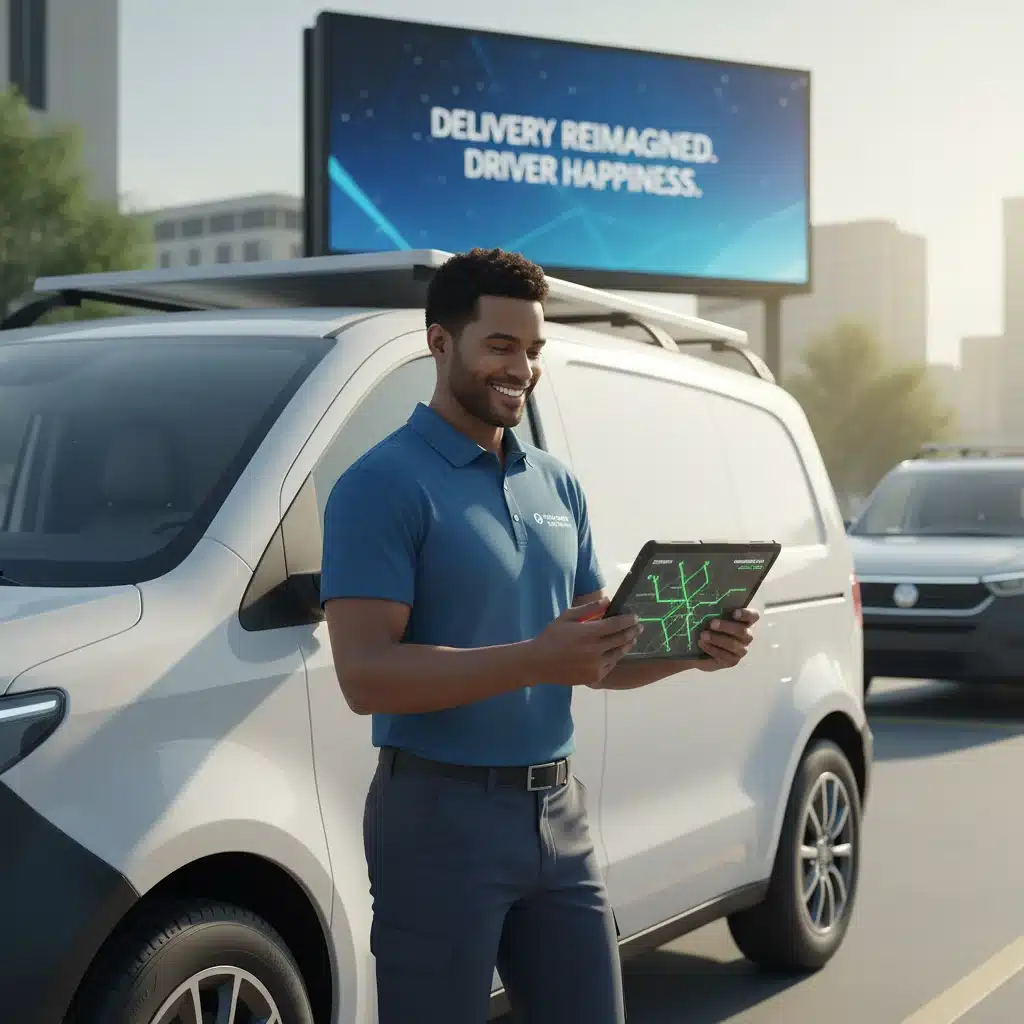
- Reduced Stress: Drivers benefit from clear, optimized routes that minimize time stuck in traffic and eliminate the frustration of unpredictable delays. This leads to a less stressful work environment.
- Improved Safety: By avoiding congested areas and providing safer routes, AI contributes to a reduction in accidents and promotes safer driving practices.
- Predictable Schedules: Optimized routes often lead to more predictable workdays, allowing drivers to better plan their personal lives and improve overall job satisfaction.
- Reduced Manual Planning: Drivers can focus on driving and delivering, rather than spending valuable time on route planning or dealing with unexpected obstacles.
For Urban Environments: Sustainability and Livability
- Lower Carbon Emissions: Fewer miles driven and more efficient routes directly translate to a reduction in greenhouse gas emissions and air pollution, contributing to cleaner urban air. This is a major win for environmental sustainability.
- Reduced Traffic Congestion: By optimizing traffic flow and distributing deliveries more efficiently, AI can help alleviate urban congestion, making city streets more navigable for everyone.
- Less Noise Pollution: Fewer vehicles idling or driving unnecessarily contribute to quieter urban environments, improving the quality of life for residents.
- Support for Smart City Initiatives: AI route optimization aligns perfectly with broader smart city goals, leveraging technology to create more efficient, sustainable, and livable urban spaces.
Challenges and Considerations for Widespread Adoption
While the benefits are clear and the 10% reduction is impressive, the path to universal AI route optimization is not without its hurdles. Addressing these challenges is crucial for sustained growth and even greater efficiencies in the future.
Data Privacy and Security
AI systems rely heavily on data, including sensitive information about delivery locations, customer preferences, and vehicle movements. Ensuring the privacy and security of this data is paramount. Robust cybersecurity measures and adherence to data protection regulations (like GDPR and CCPA) are essential to build trust and prevent misuse.
Integration Complexity
Implementing AI route optimization often requires integrating new software with existing legacy systems for order management, inventory, and fleet tracking. This can be a complex and time-consuming process, requiring significant technical expertise and investment.
Initial Investment Costs
While the long-term ROI is compelling, the upfront cost of developing or licensing AI software, integrating it, and training staff can be substantial. This can be a barrier for smaller businesses or those with limited capital.
Workforce Adaptation and Training
The introduction of AI changes job roles and requires drivers and logistics managers to adapt to new tools and workflows. Proper training and change management strategies are vital to ensure a smooth transition and maximize user adoption.
Infrastructure Limitations
Even the most advanced AI needs reliable data feeds and connectivity. In certain urban areas or during infrastructure failures, the performance of real-time AI route optimization systems can be impacted. Investment in robust communication infrastructure is therefore a prerequisite.
The Future of Urban Deliveries with AI
The 10% reduction in urban delivery times is just the beginning. As AI route optimization continues to mature and integrate with other emerging technologies, the future of urban deliveries promises even greater efficiencies and innovations.
Hyper-Personalized Deliveries
Imagine AI systems learning individual customer preferences, not just for delivery times but also for specific drop-off locations, preferred routes to avoid certain areas, or even predicting when a customer might need a particular item. This level of personalization will redefine customer service.
Integration with Autonomous Vehicles and Drones
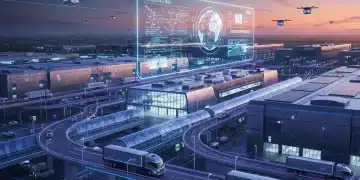
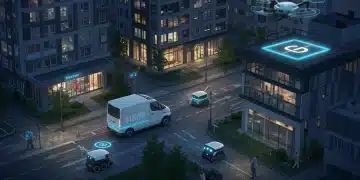
The full potential of AI route optimization will be realized when seamlessly integrated with autonomous delivery vehicles and drones. AI will not only optimize routes for human-driven vehicles but also coordinate entire fleets of self-driving cars, delivery robots, and aerial drones, creating a multi-modal, highly efficient delivery network.
Dynamic Urban Planning and Traffic Management
As AI systems collect more data on urban traffic patterns and delivery movements, this information can be fed back into smart city initiatives. This could lead to dynamic traffic light adjustments, optimized lane usage, and even intelligent urban planning that accounts for logistics needs from the outset.
Predictive Maintenance for Fleets
AI can analyze vehicle telematics data to predict maintenance needs before breakdowns occur, ensuring that vehicles are always in optimal condition and minimizing unexpected disruptions to delivery schedules. This proactive approach further enhances the reliability of the delivery network.
Sustainable and Green Logistics
The drive towards sustainability will continue to be a major focus. AI route optimization will play an increasingly critical role in minimizing the carbon footprint of deliveries, optimizing for electric vehicle charging points, and even suggesting routes that prioritize air quality in residential areas.
Real-World Examples and Case Studies
While specific company names and detailed proprietary data are often confidential, the general trends and benefits are evident across various sectors. For instance, a major e-commerce giant reported a significant reduction in fuel costs and delivery times in its dense urban networks after implementing advanced AI route optimization. Similarly, a prominent food delivery service noted a substantial increase in the number of deliveries per hour per driver, directly impacting their profitability and market share.
These successes are not limited to the largest corporations. Even smaller, local businesses are beginning to leverage affordable, off-the-shelf AI-powered routing solutions, allowing them to compete more effectively and offer faster, more reliable service to their customers. The scalability and accessibility of these technologies are key to their widespread impact.
The Road Ahead: Continued Innovation and Adaptation
The early 2026 data confirming a 10% reduction in urban delivery times due to AI route optimization is a powerful indicator of the technology’s potential. It signifies a pivotal moment in the evolution of urban logistics, moving from reactive problem-solving to proactive, intelligent management.
However, the journey is far from over. Continuous innovation in AI algorithms, coupled with improvements in data collection and integration, will undoubtedly lead to even greater efficiencies. The challenges of data privacy, integration complexity, and workforce adaptation will need ongoing attention and strategic solutions.
Ultimately, the widespread adoption of AI route optimization is not just about faster deliveries; it’s about building more resilient, sustainable, and intelligent urban ecosystems. It’s about transforming the daily commute, reducing environmental impact, and enhancing the quality of life for everyone in our increasingly connected cities. The future of urban logistics is undeniably intelligent, and AI is at the forefront of this revolution.
Businesses that embrace this technology will not only gain a competitive edge but will also contribute to creating more efficient and livable urban environments. The 10% reduction is a benchmark, a testament to what’s possible, and a clear signal that the era of smart, AI-driven deliveries is here to stay.
As we move further into 2026 and beyond, expect to see these statistics improve even further, as AI continues to learn, adapt, and refine its capabilities, making urban deliveries smoother, faster, and more sustainable than ever before. The commitment to innovation in this field will undoubtedly shape the logistical backbone of our future cities.