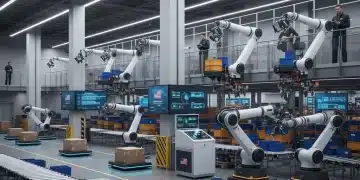
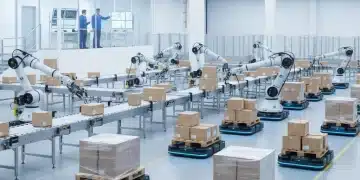
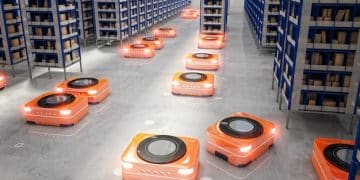
AI-powered warehouse automation systems enhance efficiency
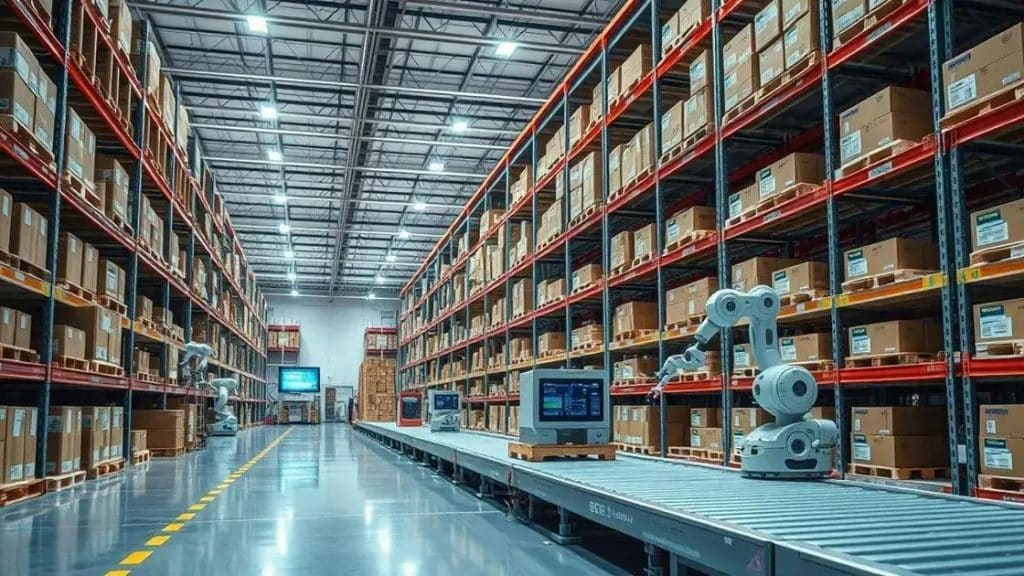
AI-powered warehouse automation systems enhance efficiency, reduce costs, and improve inventory management through technologies like robotics, AI, and IoT devices, leading to faster and more accurate operations.
AI-powered warehouse automation systems are changing the way logistics operate, elevating efficiency and accuracy. Have you ever wondered how these technologies can optimize inventory management and minimize costs? Let’s dive in!
Understanding AI-powered warehouse automation
Understanding AI-powered warehouse automation is vital for businesses aiming to optimize their logistics processes. These systems harness the power of artificial intelligence to streamline tasks, increase accuracy, and ultimately reduce operational costs. By integrating intelligent software and robotics, warehouses can improve inventory management and customer satisfaction.
What is AI-powered warehouse automation?
At its core, AI-powered warehouse automation refers to leveraging technology to perform activities traditionally done by humans. This includes:
These innovations not only boost productivity but also allow for more precise and faster operations. For instance, robots equipped with AI can navigate through warehouse aisles swiftly, retrieving products with minimal error.
Why is automation essential?
As customer expectations evolve, having an efficient warehouse is essential. Here are some reasons why companies are investing in automation:
- Enhanced accuracy in order fulfillment
- Reduction in labor costs
- Increased speed in processing orders
- Better data management and analytics
This transition to automated systems also leads to improved safety in the workplace. Humans are less exposed to potential hazards when machines handle the heavy lifting, ultimately creating a more secure environment.
By embracing AI-powered solutions, companies can significantly enhance their operational capabilities. The technology allows for customized solutions tailored to specific needs, making them adaptable to any warehouse scenario. Adopting these systems helps businesses stay competitive in a rapidly changing market.
Key benefits of AI in warehouse operations
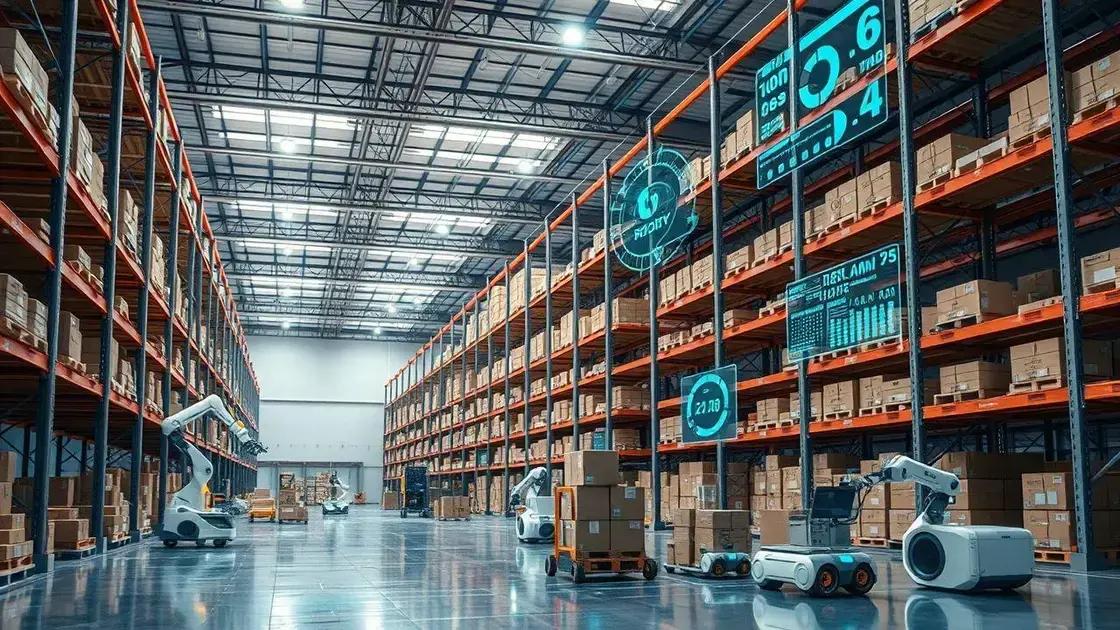
Key benefits of AI in warehouse operations are transforming how businesses manage logistics. By implementing AI-driven technologies, companies can significantly improve their processes, resulting in enhanced productivity and profitability. This advancement brings various advantages to warehouse operations.
Increased efficiency
One primary benefit of AI in warehouses is the substantial increase in efficiency. With automation, tasks that used to take hours can now be completed in minutes. AI systems analyze data in real time, allowing for quicker decision-making and streamlined operations.
Cost savings
AI reduces operational costs in several ways. For example, automated systems can minimize labor expenses by handling repetitive tasks. Furthermore, predictive analytics helps in managing inventory levels, lowering excess stock and the costs associated with it.
- Reduced labor costs associated with manual processes
- Decreased waste from overstocking
- Lower operational overhead
- Optimized transportation logistics
These efficiencies not only cut costs but also free up personnel to focus on more strategic tasks, boosting overall productivity within the warehouse.
Improved accuracy
Another key benefit is enhanced accuracy in order fulfillment. AI systems utilize advanced algorithms to track inventory and monitor shipments. This tracking ensures that the right products are delivered to the right locations without error. With fewer mistakes, customer satisfaction also increases.
Moreover, AI helps in identifying patterns in customer demand, which further refines inventory management. By understanding trends, businesses can adjust their stock accordingly, ensuring they meet consumer needs effectively.
The integration of AI in warehouse operations allows for a smarter and more responsive supply chain. As businesses adopt these technologies, they position themselves for success in an increasingly competitive marketplace.
Implementation strategies for AI automation
Implementation strategies for AI automation are essential for smooth integration into warehouse operations. Adopting artificial intelligence can seem daunting, but with the right strategies, organizations can effectively streamline their processes.
Assess current processes
The first step is to thoroughly assess existing workflows. Understanding the current systems in place helps identify areas where AI can make the most impact. This involves analyzing productivity levels, order fulfillment accuracy, and inventory management practices.
Set clear objectives
Next, it’s crucial to establish specific goals for automation. Clear objectives guide the implementation process and help in measuring success. Examples of objectives may include:
- Reducing order processing time
- Increasing inventory accuracy
- Lowering operational costs
- Improving overall warehouse efficiency
By having concrete goals, organizations can tailor their AI solutions to meet precise needs.
Choose the right technology
Selecting the appropriate AI technologies is another vital component. There are various solutions available, including robotics for picking and packing, AI software for inventory management, and predictive analytics tools. Researching and comparing options helps ensure that the chosen technology aligns with the set objectives.
Training employees to work effectively with new AI systems is equally important. Offering training sessions helps staff become familiar with the new tools and understand how to leverage them fully. A well-trained team can significantly enhance the benefits derived from AI automation.
Lastly, continuously monitor and optimize the AI systems after implementation. Regular evaluations help identify any gaps or areas for improvement. By iteratively refining processes, organizations can maintain high efficiency levels and adapt to changing market demands.
Future trends in warehouse automation technology
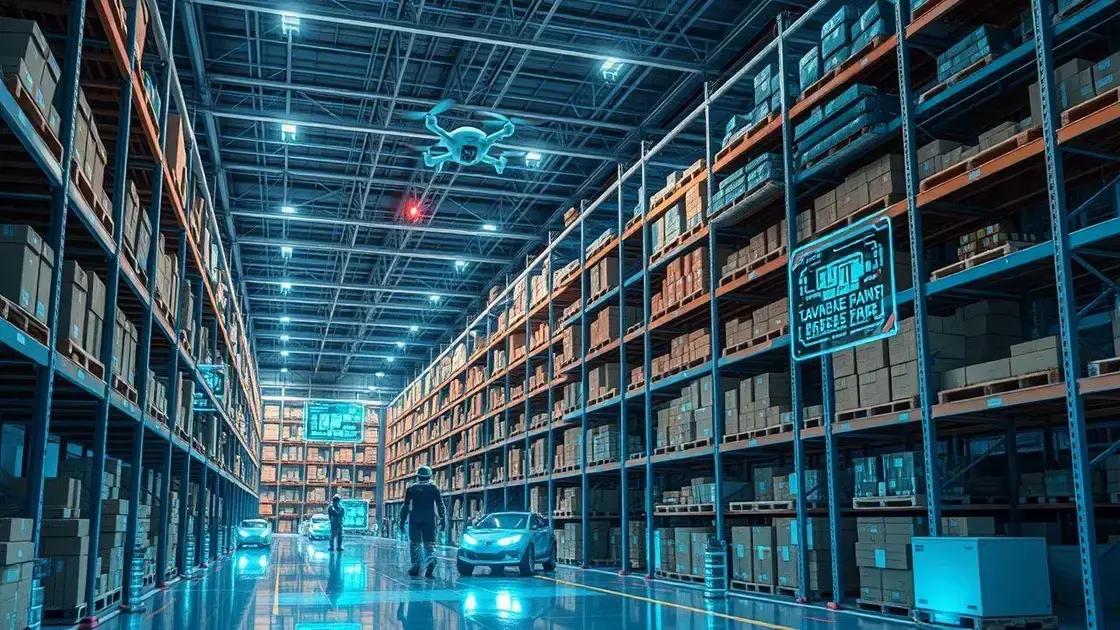
Future trends in warehouse automation technology are set to reshape the logistics landscape. As technology continues to evolve, warehouses are adapting to innovative solutions that enhance efficiency and responsiveness. One prominent trend is the increasing use of robotics, which streamlines various operations.
Integration of artificial intelligence
AI is playing a crucial role in future warehouse automation. The integration of artificial intelligence allows for predictive analytics, improving decision-making processes. With AI, warehouses can analyze data patterns to forecast demand, optimize inventory levels, and enhance order fulfillment accuracy.
Growth of autonomous vehicles
Another significant trend is the rise of autonomous vehicles in warehouses. These vehicles can transport goods with minimal human intervention, reducing labor costs and increasing safety. The deployment of self-driving forklifts and Automated Guided Vehicles (AGVs) is on the rise, enhancing material handling efficiency.
- Improved safety through reduced human error
- Increased speed of operations
- Enhanced accuracy in warehouse logistics
- Lower operational costs due to automation
These autonomous systems can navigate complex warehouse environments, adapting to changes in real time.
Smart warehouse solutions
The concept of smart warehouses is also emerging, where IoT (Internet of Things) devices are interconnected to create a responsive and intelligent environment. Sensors can track inventory levels in real time, notifying staff when restocking is needed. This connectivity increases transparency and efficiency within supply chains.
As these technologies advance, we can expect warehouses to become more interconnected and responsive. Businesses are likely to invest in smart technologies that provide greater insights and control over their operations. Embracing these trends will help companies stay competitive and meet the growing demands of the market.
FAQ – Frequently Asked Questions about AI-powered Warehouse Automation
How can AI automation improve warehouse efficiency?
AI automation can streamline processes, reduce errors, and speed up operations, leading to higher productivity in warehouse operations.
What are the key technologies involved in warehouse automation?
Key technologies include robotics for picking, AI for predictive analytics, and IoT devices for real-time inventory tracking.
What benefits do autonomous vehicles provide in warehouses?
Autonomous vehicles reduce labor costs, increase safety, and enhance the speed and accuracy of material handling.
How can businesses keep up with trends in warehouse automation?
Businesses can stay informed through industry reports, attending trade shows, and continuously evaluating their processes and technologies.