AI-driven warehouse optimization: streamline operations now
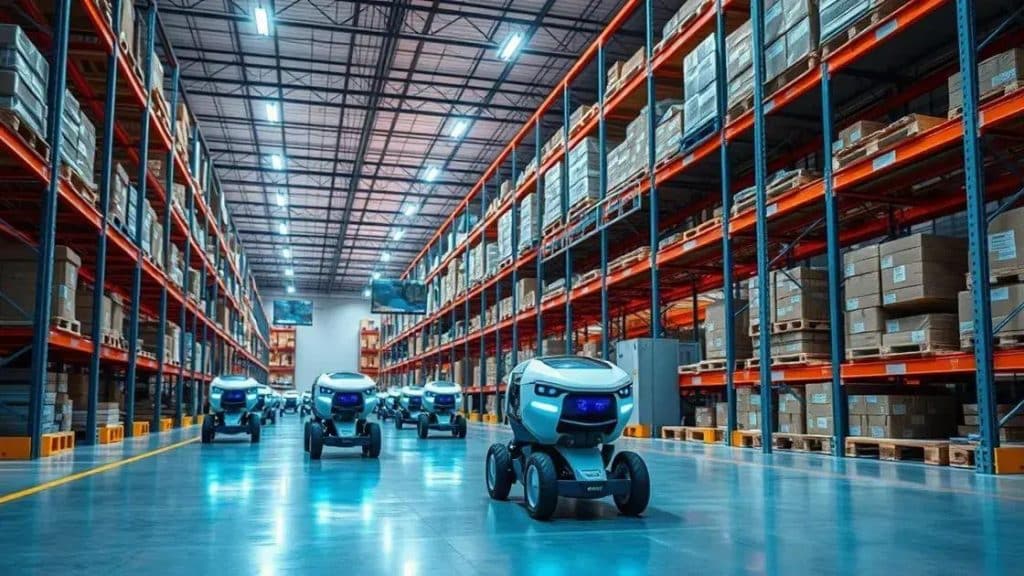
AI-driven warehouse optimization enhances logistics by increasing operational efficiency, reducing costs, and improving inventory accuracy through data analysis and automation technologies.
AI-driven warehouse optimization is changing the game for logistics. Have you ever wondered how you could cut costs and enhance efficiency? Let’s dive into how this technology can transform your operations.
Understanding AI-driven warehouse optimization
Understanding AI-driven warehouse optimization can significantly enhance your logistics operations. This technology uses artificial intelligence to analyze workflows, monitor inventory levels, and improve overall efficiency. But what exactly does this entail?
Core Concepts of AI in Warehousing
At its core, AI-driven warehouse optimization focuses on using data analytics and machine learning to streamline processes. By collecting and analyzing data in real-time, businesses can identify bottlenecks and make informed decisions quickly.
Benefits of Implementing AI Solutions
Integrating AI can lead to various advantages:
- Increased operational efficiency.
- Cost reduction through better inventory management.
- Improved order accuracy and faster fulfillment times.
With AI tools, warehouse managers can easily predict demand patterns and adjust stock levels accordingly. This proactive approach minimizes waste and maximizes resource utilization. Additionally, predictive analytics helps avoid stockouts and overstock situations, which can lead to lost sales or increased carrying costs.
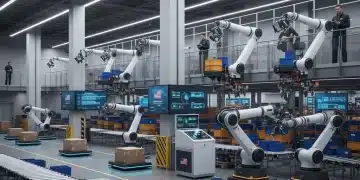
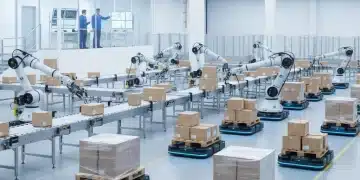
Moreover, using AI can enhance labor productivity. By automating repetitive tasks and enabling workers to focus on high-value activities, warehouses can operate more smoothly. For instance, robotics can handle sorting and picking, allowing employees to manage exceptions and customer service.
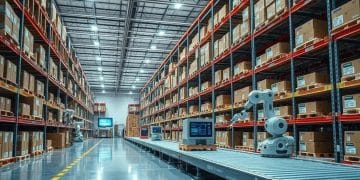
Furthermore, AI-driven solutions enable better space utilization. By analyzing product demand and movement, businesses can reorganize their layout, ensuring that fast-moving items are easily accessible. This optimization contributes to smoother operations and quicker response times to customer needs.
Real-World Application
Companies worldwide are harnessing AI-driven warehouse optimization to transform their logistics. For example, a major retail chain implemented AI technology, resulting in a 30% increase in picking efficiency and a noticeable reduction in labor costs.
As the logistics industry evolves, embracing AI will be essential for staying competitive. The combination of data analysis, automation, and enhanced decision-making positions businesses to meet the challenges of modern supply chains effectively.
Key benefits of AI in warehouse management
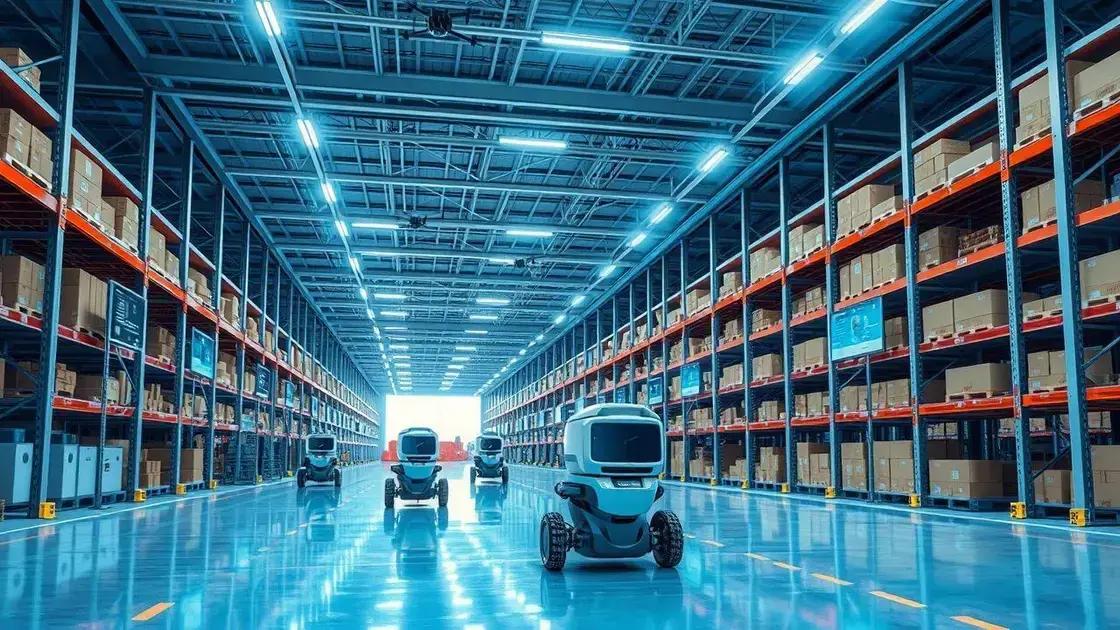
The key benefits of AI in warehouse management are transforming operations across industries. By harnessing robotics and advanced software, businesses enhance their efficiency in remarkable ways. So, what are these benefits?
Enhanced Efficiency
One of the primary advantages is the enhanced efficiency of warehouse operations. AI algorithms analyze data to streamline processes. This means faster picking, packing, and shipping. With accurate data-driven insights, managers can tackle issues before they escalate.
Cost Reduction
Cost savings come into play through better resource management. AI helps in optimizing inventory levels, avoiding excess stock. This systematic approach leads to less waste and increased profitability.
- Reduced labor costs due to automation.
- Minimized storage expenses through efficient space allocation.
- Lower operational costs by preventing inventory obsolescence.
Another substantial benefit is the improvement in accuracy. AI systems minimize human errors, which often lead to costly returns and dissatisfied customers. With AI, the likelihood of mistakes in order fulfillment significantly decreases, leading to higher customer satisfaction.
Additionally, AI enables predictive analytics, allowing warehouses to forecast demand effectively. This capacity helps ensure that orders are fulfilled on time, enhancing customer service. In turn, companies can enjoy a competitive advantage in their market.
Real-Time Data Analysis
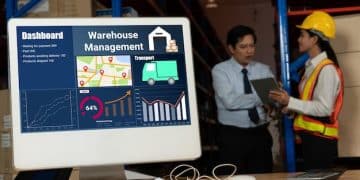
Real-time data analysis is crucial for making informed decisions. With AI, warehouse managers can instantly access critical metrics. This data helps them adjust strategies swiftly, enhancing overall responsiveness to market changes.
Furthermore, AI-driven insights ensure that businesses can adapt to evolving customer preferences. By analyzing trends, companies can better align their product offerings. This adaptability proves essential in today’s fast-paced retail environment.
Implementing AI solutions for better efficiency
Implementing AI solutions for better efficiency in warehouse management can transform your operations. From automation to data analytics, AI brings innovative approaches that streamline processes.
Steps to Implement AI
To get started with AI, businesses need to assess their current systems. Identifying areas for improvement is crucial. Once these areas are pinpointed, companies can explore AI technologies that best fit their needs.
Integrating Systems
Integration is key when implementing AI solutions. This means connecting AI software to existing warehouse management systems. By doing so, businesses can leverage real-time data for improved decision-making. A cohesive system allows for better tracking of inventory and enhanced order fulfillment.
- Establish a clear strategy for AI adoption.
- Train staff on new technologies and processes.
- Monitor performance and adjust as necessary.
Furthermore, businesses should focus on collecting quality data. AI relies on data to learn and improve processes over time. Investing in sensors and IoT devices can help gather essential information for analysis.
Another aspect of implementation is utilizing AI for labor management. Smart scheduling systems can optimize workforce allocation based on demand forecasts. This can lead to better productivity and reduced labor costs.
Continuous Improvement
Lastly, companies must view AI implementation as an ongoing journey. Regular assessments of AI impact are necessary to ensure that efficiency gains are sustained. Engaging with employees to gather feedback can provide insights into how to refine processes.
Ultimately, the integration of AI solutions not only boosts efficiency but also empowers employees to focus on more strategic tasks. As warehouses evolve, technology will play a pivotal role in shaping the future of supply chain management.
Real-world examples of AI success in warehouses
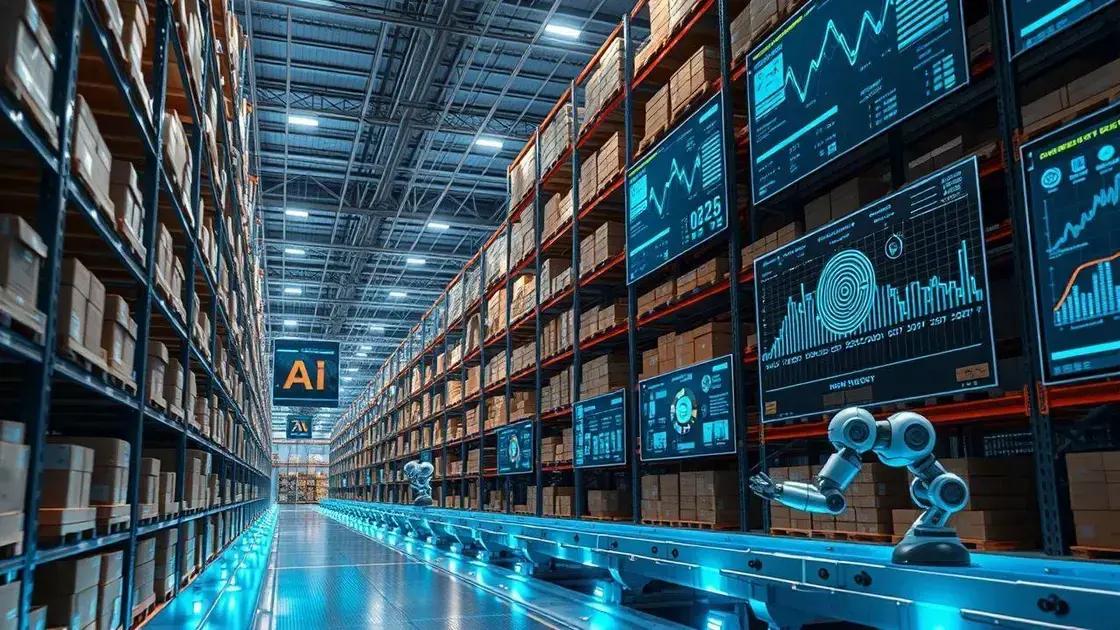
Real-world examples of AI success in warehouses showcase the incredible potential of this technology. Many companies have implemented AI solutions, resulting in significant improvements in their operations.
Case Study: Major Retailer
A prominent retail chain upgraded its warehouse management system by integrating AI tools. With a focus on enhancing efficiency, they utilized AI for inventory management. As a result, they achieved a remarkable 40% increase in order fulfillment speed. Moreover, AI algorithms helped them optimize their stock levels, which reduced excess inventory and saved costs.
Case Study: Online Grocery Delivery
Another notable example comes from an online grocery delivery company. By employing AI-driven robots to pick and pack orders, they decreased their labor costs substantially. The use of automated systems led to a faster delivery process, ensuring freshness and customer satisfaction. This implementation allowed the company to scale operations without hiring additional staff.
- Improved picking accuracy by over 95%.
- Increased throughput during peak hours.
- Minimized waste by optimizing order quantities.
Additionally, a logistics provider adopted AI for predictive maintenance of their warehouse equipment. By analyzing machine data, they could foresee potential breakdowns before they occurred. This proactive approach lowered maintenance costs and minimized downtime, creating a more reliable operation.
Furthermore, many companies utilize AI for demand forecasting. With accurate predictions, they can align their inventory with actual customer demand. This efficient management reduces stockouts and ensures that popular items are always available.
Summary of Benefits
These real-world applications demonstrate that AI solutions significantly enhance warehouse efficiency. By integrating AI, businesses can expect faster operations, reduced costs, and higher customer satisfaction. Innovative technology is indeed shaping the future of logistics.
FAQ – Frequently Asked Questions about AI-driven Warehouse Optimization
What are the main benefits of AI in warehouse management?
AI improves efficiency, reduces costs, and enhances accuracy in warehouse operations.
How does AI help with inventory management?
AI analyzes data to optimize stock levels, ensuring the right amount of inventory is maintained.
Can AI predict customer demand?
Yes, AI uses historical data to forecast demand, helping businesses prepare and align their inventory accordingly.
Is implementing AI in warehouses expensive?
While there is an initial investment, the long-term savings and efficiency gains often make it a worthwhile expense.