AI-driven energy management in smart cities: a game changer

AI-driven energy management in smart cities enhances efficiency, reduces costs, and integrates renewable energy sources, creating sustainable urban environments.
AI-driven energy management in smart cities is reshaping how urban areas utilize resources. Have you ever wondered how cities manage energy consumption efficiently? In this article, we’ll dive into the transformative role of AI in enhancing energy efficiency and sustainability.
Understanding AI-driven energy management
Understanding AI-driven energy management helps us see how technology improves energy use in urban areas. Smart cities are adopting AI to optimize energy systems, ensuring that resources are used efficiently. Let’s explore how this works.
How AI Works in Energy Management
AI uses data analytics and algorithms to analyze energy consumption patterns. This analysis allows cities to predict demand and supply, reducing waste. For instance, smart meters collect data in real-time, enabling instant adjustments to energy distribution.
Benefits of AI in Energy Management
By implementing AI-driven solutions, cities can:
- Reduce energy costs for residents.
- Enhance the reliability of energy supply.
- Lower carbon emissions significantly.
- Integrate renewable energy sources effectively.
Moreover, AI can identify inefficiencies in existing systems. By learning from historical data, it can recommend improvements tailored to specific neighborhoods. For example, if a neighborhood consistently uses more energy at certain times, AI can suggest changes to reduce peak demand.
Another crucial aspect is community engagement. Through smart apps, residents can monitor their energy use in real-time, promoting energy-saving behaviors. Features like alerts for high usage levels can encourage individuals to shift their consumption to off-peak hours, contributing to overall energy management.
Furthermore, AI-driven energy management can streamline maintenance schedules. Predictive maintenance powered by AI ensures that potential failures are addressed before they happen, resulting in fewer outages and better service reliability. Cities can thus allocate resources more effectively, focusing on areas that need the most attention.
In summary, as cities embrace AI-driven innovations, they pave the way for a more sustainable energy future. The combination of real-time data, efficiency measures, and community participation builds smarter, more energy-efficient environments for all.
Key benefits for smart cities
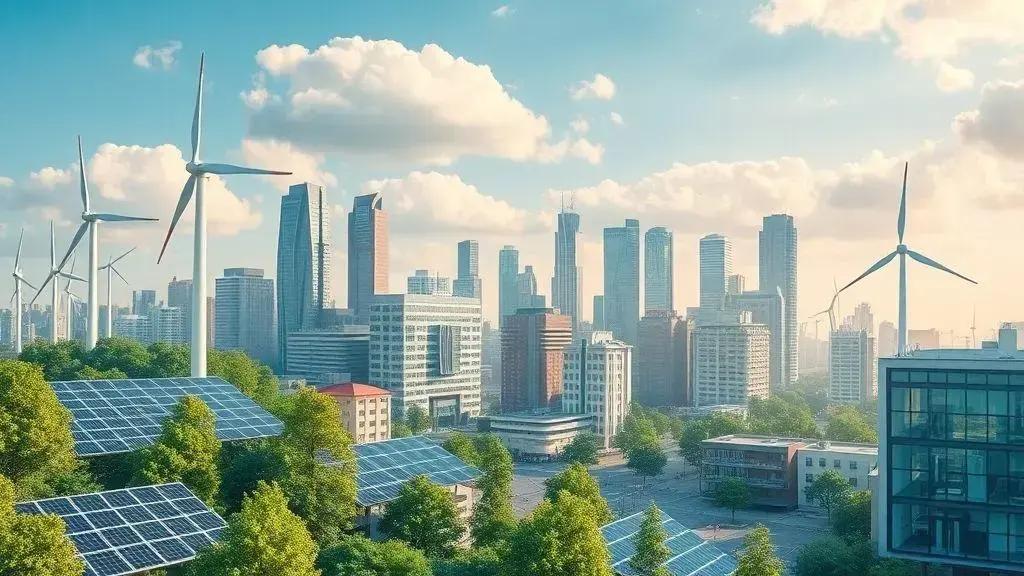
Key benefits for smart cities highlight how technology can enhance urban living. Utilizing advanced energy management systems transforms how cities function. Let’s explore some advantages.
Efficiency and Cost Savings
One major benefit is increased efficiency. Smart cities leverage AI to track energy usage accurately. This leads to lower operational costs. When energy is managed well, cities can spend less and direct funds to other essential services.
Environmental Sustainability
Another key benefit is the positive impact on the environment. Smart cities aim to reduce their carbon footprint. By using renewable energy sources effectively, they decrease reliance on fossil fuels. This shift helps create a cleaner, healthier environment.
- Lower greenhouse gas emissions.
- Improved air quality.
- Increased use of green spaces.
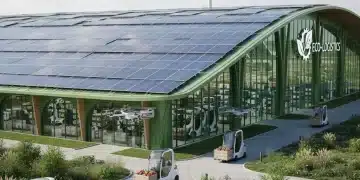
Additionally, energy management supports the adoption of solar panels. As cities invest in clean energy, they not only improve sustainability but also attract eco-conscious businesses and residents.
Enhanced reliability is another benefit of AI-driven energy management. Cities can minimize outages by predicting issues before they occur. This reliability fosters public trust and supports economic growth, as businesses depend on consistent energy availability.
Furthermore, smart cities can improve community engagement through technology. By providing platforms for residents to monitor their energy consumption, people become more aware and involved in sustainability efforts. Engaged citizens are more likely to adopt energy-saving practices.
Overall, the integration of AI in energy management systems leads to a smarter, more sustainable urban environment. The blend of efficiency, sustainability, and community involvement creates a vibrant atmosphere for all city dwellers.
Real-world examples of AI in energy systems
Real-world examples of AI in energy systems show how cities around the globe are making strides in energy efficiency. Cities are adopting AI technologies to optimize energy usage while promoting sustainability. Let’s dive into some notable cases.
Barcelona’s Smart Lighting
Barcelona is a prime example of using AI to enhance urban living. The city has implemented smart street lighting that adjusts based on real-time conditions. Sensors detect the presence of pedestrians and vehicles, ensuring lights are bright when needed and dim when not. This system not only saves energy but also reduces costs.
Los Angeles’ Energy Management
In Los Angeles, AI manages energy distribution effectively. The city uses predictive analytics to forecast energy demands. By analyzing data trends, they can balance supply and demand better. This strategy reduces outages and enhances the reliability of energy services.
- Real-time monitoring of energy consumption.
- Forecasting future energy needs.
- Improving renewable energy integration.
As a result, Los Angeles can optimize its grid operations and improve its overall efficiency.
Another interesting case is Singapore, where AI helps manage the energy used in buildings. The city has deployed smart building technologies that analyze energy consumption patterns. This technology aids in identifying inefficiencies and recommending adjustments. Consequently, buildings can achieve significant energy savings.
Moreover, AI plays a significant role in demand response programs. These programs encourage consumers to reduce or shift their energy usage during peak times. For example, in many markets, customers are notified in real-time to adjust their usage. This collaborative effort between technology and consumers results in a more stable grid.
To summarize, these real-world implementations demonstrate the impactful role of AI in energy systems. By embracing technology, cities enhance efficiency, reliability, and sustainability while engaging their communities in energy management.
Future trends in urban energy management
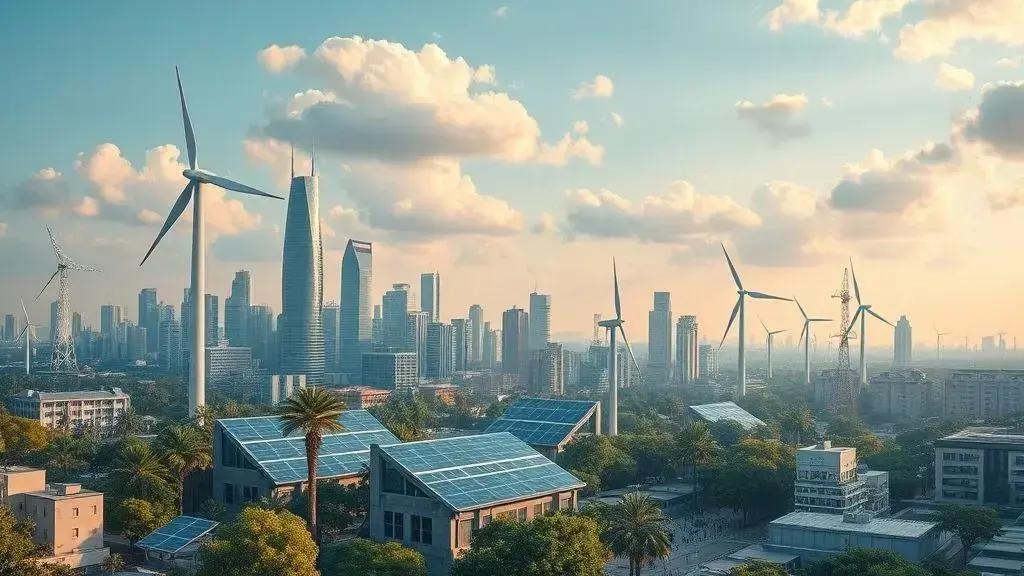
Future trends in urban energy management are set to transform how cities utilize energy resources. With growing concerns about climate change and sustainability, innovative technologies are emerging. Let’s explore some promising trends that will shape the energy landscape in smart cities.
Integration of Renewable Energy Sources
One major trend is the increased integration of renewable energy sources. As technology advances, cities will harness more solar, wind, and hydro energy. This shift will reduce dependence on fossil fuels and enhance overall sustainability. Buildings equipped with solar panels and wind turbines will become commonplace.
Use of Smart Grids
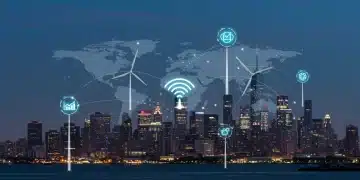
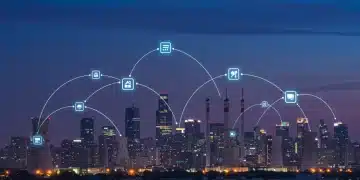
Smart grids are another trend gaining traction. These innovative systems allow for real-time energy monitoring and management. With advanced sensors and AI algorithms, smart grids can optimize energy distribution and adjust based on real-time demand. This adaptability improves resilience and reduces energy waste.
- Enhanced reliability of energy supply.
- Improved outage prediction and response.
- Better integration with electric vehicles.
As smart grid technology becomes more widespread, cities will see significant enhancements in their energy efficiency.
Additionally, the rise of decentralized energy systems is emerging. Communities are likely to adopt microgrids, which operate independently from the main grid. This decentralization will empower local energy management while adding resilience to the energy supply chain.
Another significant aspect is the role of AI and machine learning in predicting energy consumption trends. These technologies can analyze patterns and help cities prepare for peak usage periods. By proactively managing energy loads, cities can minimize strain on their infrastructure.
The focus on energy efficiency is predicted to enhance community involvement. With apps and platforms providing real-time energy usage data, residents will become more engaged in energy conservation efforts. They will have the tools to adjust their habits and contribute to a greener environment.
Overall, the future of urban energy management is bright, with a strong focus on sustainability and innovation. As cities embrace these trends, they will lead the charge toward a cleaner and more resilient energy future.
FAQ – Frequently Asked Questions about AI-driven Energy Management in Smart Cities
How can AI improve energy efficiency in smart cities?
AI optimizes energy use by analyzing real-time data, predicting demand, and managing supply effectively, leading to less waste and cost savings.
What are the benefits of integrating renewable energy sources?
Integrating renewable energy reduces dependence on fossil fuels, lowers greenhouse gas emissions, and contributes to a cleaner environment.
How does community engagement enhance energy management?
When residents actively participate in energy conservation efforts, it leads to a collective improvement in sustainability and energy savings.
What role do smart grids play in urban energy management?
Smart grids enhance the reliability of energy distribution by allowing for real-time monitoring and adjustments based on current demand and supply.