Adaptive street lighting for safer roads: here’s why it matters
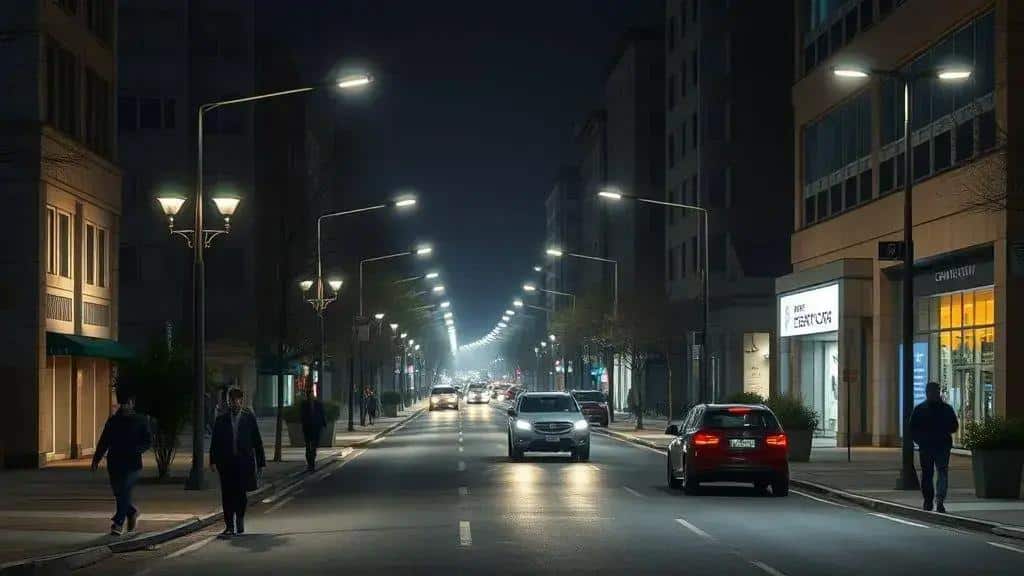
Adaptive street lighting enhances road safety by adjusting light levels based on real-time conditions, reducing accidents while providing energy savings and promoting sustainability in urban areas.
Adaptive street lighting for safer roads is changing how communities ensure safety during nighttime. Have you ever wondered how effective lighting affects pedestrians and drivers? In this article, we’ll explore its benefits and what it means for our roads.
Understanding adaptive street lighting
Understanding adaptive street lighting is crucial for modern urban development. This innovative technology adjusts light levels based on various factors, enhancing safety and efficiency on our roads. With more cities adopting these systems, it’s vital to explore how they work and the benefits they bring.
What is Adaptive Street Lighting?
This type of lighting uses sensors and data to optimize brightness. It can react to conditions like traffic flow and weather. Imagine streets that light up more brightly when there are many pedestrians and dim when the streets are empty. This not only saves energy but also protects those on the roads.
Key Benefits
- Energy Efficiency: By adjusting to real-time conditions, adaptive street lighting significantly reduces energy consumption.
- Increased Safety: Better illumination during peak pedestrian hours lowers accident rates.
- Cost-Effective: Lower energy bills and maintenance costs make it a smart choice for municipalities.
Adaptive street lighting is also adaptable. For instance, it can sync with emergency response systems. If an accident occurs, the lights may brighten to guide responders. This feature showcases just how impactful technology can be in our daily lives.
Furthermore, these systems promote sustainability. Cities can witness a significant reduction in carbon footprints while improving the quality of life for residents. As more areas implement these solutions, the potential for safer and more vibrant communities grows.
In summary, embracing adaptive street lighting means investing in our future. These systems not only enhance night-time visibility but also create smart, eco-friendly environments.
Key benefits of adaptive street lighting

The key benefits of adaptive street lighting are transforming urban environments. This innovative technology offers not only enhanced safety but also significant savings on energy costs. Municipalities are discovering the advantages of minimizing light pollution while maximizing visibility.
Improved Safety for All
One of the most important advantages of adaptive street lighting is its ability to improve safety. These lights adapt to real-time conditions, increasing brightness when pedestrians are present. When streets are well-lit, the risk of accidents decreases.
Energy and Cost Efficiency
Adaptive street lighting is designed to save energy. These systems use smart technology to dim or brighten based on activity levels. This feature leads to lower electricity bills and reduced carbon footprints. Cities can save thousands of dollars while contributing to environmental conservation.
- Lower Maintenance Costs: With longer-lasting LED lights, cities spend less on replacements and repairs.
- Dynamic Response: The ability to adjust lighting based on weather conditions ensures optimal visibility.
- Promoting Sustainability: Energy-efficient systems contribute to greener environments.
In addition to financial savings, residents feel safer with adaptive lighting. Well-lit streets encourage more activity and community engagement, making neighborhoods vibrant and lively. Local businesses can also benefit from increased foot traffic generated by good lighting.
Furthermore, these systems can be integrated with smart city technology. This integration allows for data collection and analysis, enabling cities to make informed decisions about urban planning. By understanding how and when streets are used, municipal leaders can optimize resources effectively.
How cities are implementing adaptive street lighting
How cities are implementing adaptive street lighting showcases their commitment to innovation and public safety. Municipalities around the world are adopting this technology to enhance urban environments. From pilot programs to complete citywide systems, the process involves careful planning and execution.
Steps to Implementation
The journey to adopting adaptive lighting begins with assessing community needs. Cities start by analyzing traffic patterns and pedestrian activity. Following this assessment, they can choose the right technologies to meet these requirements effectively.
Partnerships and Funding
Collaboration among city planners, engineers, and technology providers is vital. Many cities partner with companies specializing in smart lighting solutions. These collaborations can help secure funding through grants, making the transition more manageable.
- Engaging the Community: Cities often involve residents through public meetings to gather feedback.
- Testing and Trials: Pilot projects are launched in selected areas to evaluate effectiveness.
- Data Collection: Cities use data from lighting systems to optimize their use further.
Some cities are integrating adaptive lighting with smart city infrastructures, allowing for centralized control. This system can automatically adjust the lighting based on data received from traffic cameras and weather stations. Such integration enhances efficiency and ensures optimal lighting conditions at all times.
Additionally, cities are focusing on sustainability. By using eco-friendly LED lights, municipalities can drastically reduce energy consumption. This shift not only lowers costs but also aids in reducing greenhouse gas emissions, providing a win-win scenario for the environment and the community.
Future trends in street lighting technology
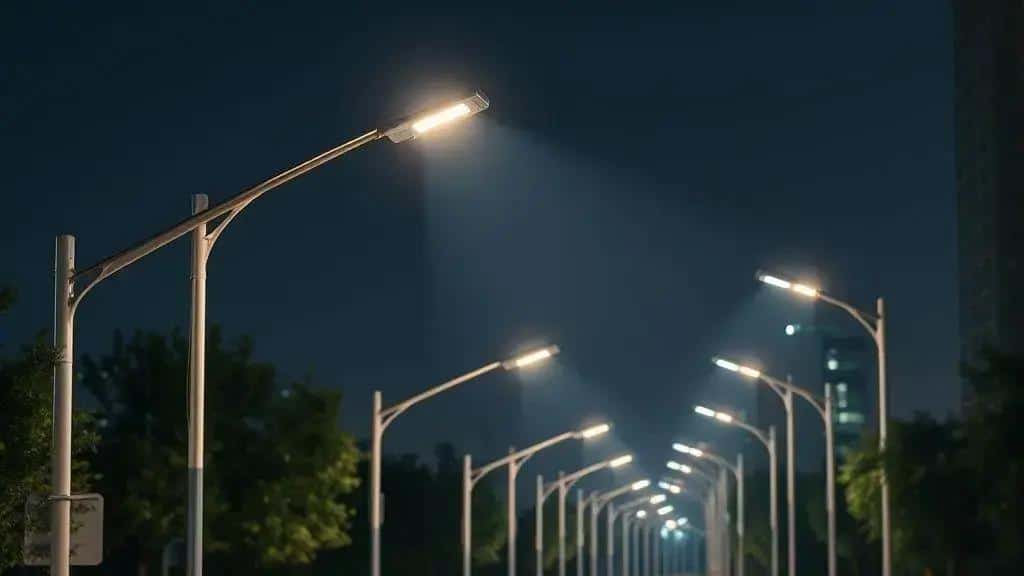
Future trends in street lighting technology are exciting and innovative. As cities strive for smarter and more sustainable environments, new technologies are emerging. The integration of advanced lighting systems will further enhance the safety and efficiency of urban areas.
Smart Integration
One significant trend is the integration of smart technology. This includes the use of sensors and IoT (Internet of Things) devices to collect data. With these tools, street lights can automatically adjust brightness based on real-time conditions. For instance, lights can dim during quiet hours and brighten when a large number of pedestrians or vehicles are detected.
Solar and Renewable Energy
Another trend is the use of solar-powered street lights. These systems harness sunlight to generate energy, reducing reliance on the grid. As solar technology advances, more cities are adopting this eco-friendly option. This transition not only cuts down energy costs but also promotes sustainability.
- Increased Efficiency: New LED technology continues to improve the brightness and longevity of lights.
- Smart City Ecosystems: Future lighting will be part of broader smart city networks, improving urban management.
- Data-Driven Decisions: Cities will use data from street lights to enhance planning and resource management.
Moreover, advancements in lighting controls will enable better management of city infrastructure. For example, centralized control systems will allow city officials to monitor lighting remotely. This capability lets them respond quickly to outages or adjust lighting conditions as needed.
Looking ahead, enhanced energy storage solutions will also play a role in street lighting. Batteries can store energy from renewables to provide consistent lighting even during cloudy days or at night. The combination of these technologies paves the way for a future with intelligent and responsive street lighting systems.
In conclusion, adaptive street lighting is a powerful solution for safer roads and smarter cities. By embracing this technology, cities can enhance public safety, reduce energy costs, and promote sustainability. The future of street lighting looks promising with continued advancements in smart technology and renewable energy. As more cities implement these systems, we can expect brighter, safer, and more efficient urban environments.
FAQ – Frequently Asked Questions about Adaptive Street Lighting
What is adaptive street lighting?
Adaptive street lighting is a smart lighting system that adjusts brightness based on real-time conditions, such as traffic and weather.
How does adaptive street lighting improve safety?
It enhances safety by providing optimal illumination when needed, reducing accidents and encouraging nighttime activity.
What are the energy savings associated with adaptive street lighting?
By adjusting light levels, these systems can significantly reduce energy consumption, lowering electricity costs for cities.
How can communities get involved in adaptive street lighting projects?
Cities often engage residents through public meetings to gather feedback on lighting needs and preferences before implementation.