2025 Federal EV Tax Credits: Save Up to $7,500 on Your Next EV
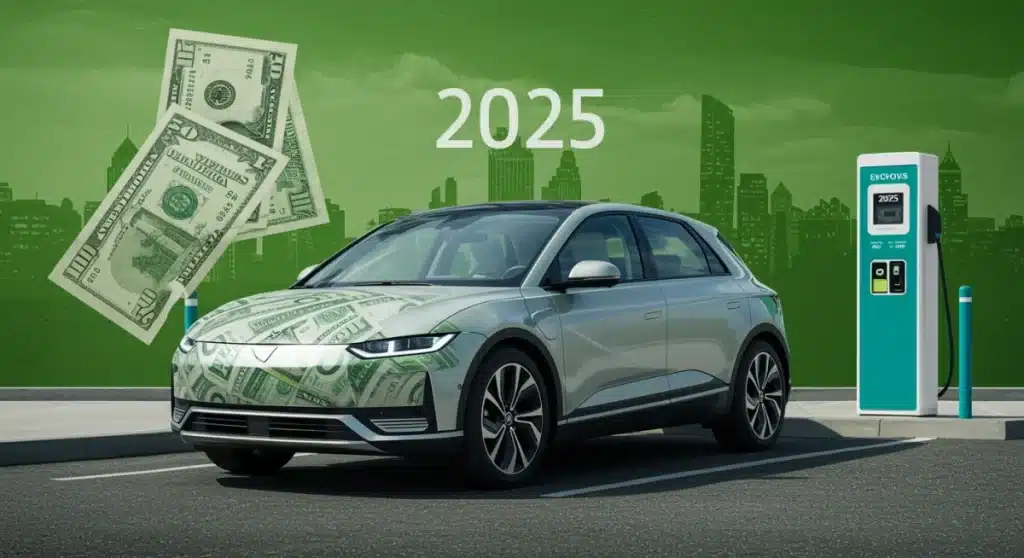
The 2025 Federal EV Tax Credits could save consumers up to $7,500 on eligible new clean vehicle purchases, significantly reducing the cost of sustainable transportation and accelerating electric vehicle adoption.
Are you considering making the switch to an electric vehicle (EV) in the near future? If so, understanding How the 2025 Federal EV Tax Credits Could Save You Up to $7,500 on Your Next Sustainable Vehicle Purchase is crucial. These incentives represent a significant opportunity to reduce the upfront cost of embracing cleaner sustainable transportation, making eco-friendly driving more accessible and affordable for American consumers. As the automotive landscape continues its rapid shift towards electrification, staying informed about these financial benefits can empower you to make a smarter, more sustainable vehicle choice.
Understanding the Evolution of EV Tax Credits
The federal EV tax credit program has undergone several transformations since its inception, reflecting the dynamic nature of the electric vehicle market and evolving policy objectives. Initially designed to stimulate early adoption, the credits have been refined to promote domestic manufacturing and responsible sourcing of critical battery materials. These changes aim to bolster the U.S. supply chain for EVs, creating jobs and reducing reliance on foreign components.
For 2025, the structure continues to emphasize these strategic goals, ensuring that the incentives primarily benefit vehicles and components manufactured or assembled in North America. This focus not only supports the American economy but also seeks to ensure the long-term sustainability and resilience of the EV industry within the United States. Prospective buyers need to understand these foundational shifts to accurately assess their eligibility.
Key Changes and Their Impact
- Domestic Manufacturing Focus: The credits strongly favor vehicles with significant North American manufacturing and assembly. This encourages automakers to invest in U.S. production facilities.
- Battery Component Sourcing: A substantial portion of battery components must be manufactured or assembled in North America to qualify for the full credit. This rule aims to localize the battery supply chain.
- Critical Mineral Requirements: A specific percentage of the value of critical minerals contained in the battery must be extracted or processed in the U.S. or a free-trade agreement country, or recycled in North America. This promotes ethical and secure sourcing.
The evolution of these credits underscores a broader national strategy to accelerate the transition to electric vehicles while simultaneously strengthening the domestic industrial base. By understanding these progressive changes, consumers can better navigate the market and identify vehicles that align with both their environmental goals and financial interests.
Ultimately, the continuous refinement of the EV tax credit program serves to align consumer incentives with broader national economic and environmental objectives. These incentives are not merely a discount; they are a strategic investment in the future of sustainable transportation and American industrial leadership. Keeping abreast of these developments is essential for anyone planning an EV purchase in 2025.
Eligibility Requirements for New Clean Vehicles in 2025
Navigating the eligibility criteria for the 2025 Federal EV Tax Credits can seem complex, but understanding the core requirements is key to securing your savings. The Internal Revenue Service (IRS) outlines specific conditions that both the vehicle and the buyer must meet. These rules are designed to ensure the credits are directed towards vehicles that meet specific environmental and economic objectives, primarily focused on domestic production and responsible sourcing.
For a new clean vehicle to qualify, it must meet stringent manufacturing and battery component criteria. These include thresholds for critical minerals sourced from the U.S. or free trade agreement partners, and a percentage of battery components produced or assembled in North America. These requirements are set to increase incrementally over time, making it crucial to check the latest guidance closer to your purchase date.
Vehicle-Specific Criteria
- Manufacturer’s Suggested Retail Price (MSRP) Limits: Sedans and smaller vehicles typically have an MSRP cap of $55,000, while SUVs, vans, and pickup trucks can go up to $80,000. Exceeding these limits disqualifies the vehicle.
- Battery Capacity: The vehicle must have a battery capacity of at least 7 kilowatt hours (kWh). This ensures the vehicle offers a meaningful electric range.
- Gross Vehicle Weight Rating: The vehicle must have a gross vehicle weight rating of less than 14,000 pounds. This excludes heavy-duty commercial vehicles.
Beyond the vehicle itself, the buyer must also meet specific income thresholds. For married couples filing jointly, the modified adjusted gross income (MAGI) cannot exceed $300,000. For heads of household, the limit is $225,000, and for all other filers, it is $150,000. Staying within these income limits is critical, as exceeding them will render you ineligible for the credit, even if the vehicle qualifies.
Prospective buyers should always verify a vehicle’s eligibility directly with the manufacturer or through the official IRS website. The list of qualifying vehicles can change as manufacturers adjust their supply chains and as new models are released. Being proactive in checking these details will prevent any surprises when it comes to claiming your potential $7,500 in savings.
The $7,500 Credit Breakdown: How it Works
The maximum $7,500 federal EV tax credit is not a single, monolithic amount but rather a combination of two distinct components, each worth $3,750. These components are tied to different aspects of the vehicle’s battery production and material sourcing, reflecting the government’s dual goals of promoting domestic manufacturing and securing critical mineral supply chains. Understanding this breakdown is essential for knowing how much credit your chosen EV might qualify for.
The first $3,750 component is contingent upon the battery’s critical mineral content. A specified percentage of the value of critical minerals used in the battery must be extracted or processed in the United States, or in a country with which the U.S. has a free trade agreement, or be recycled in North America. This encourages responsible and geopolitical-friendly sourcing.

The second $3,750 component relates to battery component manufacturing. A certain percentage of the value of battery components must be manufactured or assembled in North America. This aims to build a robust domestic battery manufacturing industry, reducing reliance on overseas production and creating local jobs.
It is important to note that a vehicle can qualify for one, both, or neither of these credit components. For instance, a vehicle might meet the critical mineral requirements but not the battery component manufacturing criteria, resulting in a $3,750 credit. Conversely, if it meets both, the full $7,500 is available. This tiered approach allows for flexibility while still driving the core objectives.
Claiming Your Credit at the Dealership
- Point-of-Sale Transfer: As of 2024, buyers can transfer the credit to the dealership at the point of sale. This means the dealership applies the credit as an immediate discount, effectively lowering the purchase price.
- IRS Registration: Dealerships must register with the IRS to offer this point-of-sale transfer option. Always confirm with your dealer that they are authorized to process the credit this way.
- Tax Liability Not Required: Unlike previous iterations where the credit was non-refundable and tied to your tax liability, the point-of-sale transfer means you receive the benefit regardless of your tax liability, making it more accessible.
This direct application of the credit at the time of purchase is a significant enhancement, making the financial benefit immediate and tangible for consumers. It removes the need to wait until tax season to realize the savings, streamlining the process and making EVs even more attractive.
In summary, the $7,500 credit is a powerful incentive, but its full realization depends on meeting specific criteria related to critical minerals and battery component sourcing. The ability to claim this credit at the point of sale further enhances its appeal, offering immediate financial relief to buyers of eligible new clean vehicles.
Vehicles Expected to Qualify in 2025
While the definitive list of qualifying vehicles for the 2025 Federal EV Tax Credits will be updated by the IRS closer to the effective date, we can anticipate certain models and manufacturers being strong contenders based on current trends and industry investments. Automakers that have proactively localized their supply chains and manufacturing processes are most likely to have eligible vehicles, offering consumers a clearer path to securing the full $7,500 credit.
Many major manufacturers have been diligently working to reconfigure their supply chains to meet the strict criteria for battery components and critical minerals. This includes significant investments in U.S. and North American assembly plants, as well as partnerships for domestic mineral extraction and processing. These strategic moves are not just about compliance; they are about securing a competitive edge in the rapidly expanding EV market.
Anticipated Qualified Models (Illustrative Examples)
Based on current manufacturing footprints and announced plans, several models from prominent automakers are strong candidates for full or partial credit eligibility. These often include:
- General Motors: Models like the Chevrolet Bolt EV/EUV, Chevrolet Equinox EV, and Cadillac Lyriq, which are assembled in North America and increasingly sourcing battery components domestically.
- Ford: Vehicles such as the F-150 Lightning and Mustang Mach-E, benefiting from Ford’s significant investments in U.S. battery and assembly plants.
- Tesla: Certain Tesla models, particularly those produced in their U.S. gigafactories, often qualify, though specific eligibility can vary by trim and configuration.
- Hyundai/Kia: As these manufacturers expand their U.S. production capabilities, more of their EV offerings are expected to meet the criteria.
It’s crucial for prospective buyers to monitor the official IRS website and manufacturer announcements for the most up-to-date lists. The eligibility of specific models can change quarterly as supply chains evolve and new rules are implemented. A vehicle that qualifies today might have different eligibility status in the future, especially as the critical mineral and battery component percentages increase.
Furthermore, the MSRP limits are another key factor. Even if a vehicle meets the sourcing requirements, a high-trim level pushing the price above the $55,000 or $80,000 caps will disqualify it. Therefore, buyers should consider both the vehicle’s origin and its price point when evaluating potential eligibility for the 2025 Federal EV Tax Credits.
In summary, while no definitive list for 2025 exists yet, a focus on domestically produced and assembled EVs with strong North American battery supply chains will likely lead buyers to eligible models. Diligent research and staying informed are your best tools for maximizing your potential savings.
Maximizing Your Savings: Beyond the Federal Credit
While the 2025 Federal EV Tax Credits offer a substantial financial incentive, they are often just one piece of the puzzle when it comes to reducing the cost of your electric vehicle. Smart buyers can combine federal incentives with state, local, and utility programs to achieve even greater savings. This multi-layered approach can significantly lower the total cost of ownership for an EV, making the transition even more attractive.
Many states offer their own EV rebates or tax credits, which can be stacked on top of the federal credit. These state-level incentives vary widely, from direct rebates at the point of sale to income tax credits or reduced registration fees. For example, states like California, Colorado, and New York have robust incentive programs that can add thousands of dollars in additional savings.
Exploring Additional Incentives
- State and Local Rebates: Research programs in your specific state and municipality. These can include direct rebates for EV purchases, tax credits, or even incentives for installing home charging equipment.
- Utility Company Programs: Many electric utility companies offer rebates for smart EV chargers, off-peak charging discounts, or even incentives for purchasing an EV. Check your local utility provider’s website for available programs.
- HOV Lane Access: Some states grant EVs access to High Occupancy Vehicle (HOV) lanes, providing a valuable time-saving benefit, even for solo drivers.
- Reduced Registration Fees: Certain states offer lower annual registration fees for electric vehicles, further reducing long-term ownership costs.
Beyond direct financial incentives, consider the long-term operational savings of an EV. Fuel costs are significantly lower than gasoline, especially when charging at home during off-peak hours. Maintenance costs are also typically lower for EVs due to fewer moving parts and no oil changes. These ongoing savings contribute significantly to the overall financial benefit of owning an electric vehicle.
To effectively maximize your savings, a comprehensive approach is recommended. Start by identifying eligible federal credits, then thoroughly research state and local programs, and finally, investigate utility company offerings. Many government websites provide databases of available incentives, making it easier to find programs applicable to your location. Combining these various incentives can transform your sustainable vehicle purchase into an exceptionally cost-effective decision.
By strategically leveraging all available incentives, you can significantly enhance the financial appeal of an EV. The 2025 Federal EV Tax Credits are a powerful starting point, but exploring the broader ecosystem of rebates and benefits will truly maximize your savings and accelerate your journey into sustainable transportation.
The Broader Impact of EV Tax Credits on Sustainable Transportation
The 2025 Federal EV Tax Credits are more than just a financial perk for individual buyers; they represent a critical policy tool designed to accelerate the broader transition to sustainable transportation across the United States. By making electric vehicles more affordable and accessible, these credits play a pivotal role in achieving national environmental goals, fostering technological innovation, and strengthening economic resilience.
One of the primary impacts is the reduction of greenhouse gas emissions. As more consumers opt for EVs, the demand for gasoline decreases, leading to lower tailpipe emissions and improved air quality, particularly in urban areas. This shift contributes directly to the fight against climate change and public health improvements.
Driving Innovation and Market Growth
- Technological Advancement: The incentives stimulate competition among automakers, encouraging them to invest more in EV research and development, leading to better battery technology, longer ranges, and more efficient vehicles.
- Infrastructure Development: Increased EV adoption necessitates a more robust charging infrastructure. The credits indirectly support the expansion of public and private charging networks, making EV ownership more convenient.
- Job Creation: The focus on domestic manufacturing and battery component sourcing creates new jobs in factories, research facilities, and related industries across the U.S. economy.
Furthermore, the credits help to level the playing field between traditional internal combustion engine (ICE) vehicles and EVs. While EVs often have a higher upfront cost, the combination of federal, state, and local incentives, along with lower operating and maintenance costs, makes them a financially competitive option over their lifespan. This helps overcome one of the main barriers to widespread EV adoption.
The strategic design of the 2025 credits, with its emphasis on North American supply chains, also contributes to energy independence. By reducing reliance on foreign oil and establishing a domestic battery production ecosystem, the U.S. enhances its energy security and geopolitical standing. This long-term vision extends beyond individual savings to encompass national strategic interests.
In conclusion, the federal EV tax credits are a multifaceted instrument. They provide tangible financial benefits to consumers, but their true power lies in their ability to catalyze a systemic shift towards sustainable transportation, fostering innovation, creating jobs, and contributing to a cleaner, more resilient future for all.
Future Outlook: What to Expect Beyond 2025
The landscape of federal EV tax credits is not static, and while the 2025 framework provides clarity for the immediate future, it is prudent to consider what might lie beyond. Government policies, technological advancements, and market dynamics will continue to shape these incentives, making it important for consumers and industry stakeholders to anticipate potential changes. The overarching goal of promoting sustainable transportation is likely to remain, but the methods and specific criteria may evolve.
One key area for potential evolution is the increasing stringency of battery component and critical mineral sourcing requirements. The percentages required for eligibility are set to rise in subsequent years, pushing manufacturers toward even greater localization and diversification of their supply chains. This continuous tightening aims to solidify a fully domestic EV ecosystem.
Potential Future Adjustments
- Increased Sourcing Requirements: Expect the percentages for critical minerals and battery component manufacturing to continue increasing, making it harder for vehicles with significant foreign content to qualify.
- New Vehicle Categories: As technology advances, there might be new categories of clean vehicles or different incentive structures for specific types of transportation (e.g., electric trucks, hydrogen fuel cell vehicles).
- Income Cap Revisions: The income caps for buyers might be periodically reviewed and adjusted based on economic conditions or policy priorities, impacting who qualifies for the credit.
Another factor to consider is the potential for new legislative action. While the Inflation Reduction Act (IRA) laid the groundwork for the current credit structure, future administrations or congressional bodies could introduce new bills that modify or expand upon existing incentives. These changes could be driven by a desire to further accelerate EV adoption, address new environmental challenges, or respond to shifts in the global automotive market.
The success of the 2025 Federal EV Tax Credits in stimulating demand and domestic production will also influence future policy. If the credits prove highly effective, there may be an impetus to extend or enhance them. Conversely, if certain aspects prove challenging or less impactful than intended, adjustments could be made to improve their efficacy.
Ultimately, the long-term trend points towards a continued emphasis on clean transportation, but the specifics of incentives will likely adapt to changing circumstances. Staying informed through official government sources and reputable automotive news outlets will be essential for anyone planning a sustainable vehicle purchase in the years to come. The journey towards a fully electric future is ongoing, and incentives will continue to play a vital role in guiding that transition.
| Key Aspect | Brief Description |
|---|---|
| Maximum Credit | Up to $7,500 available for eligible new clean vehicles. |
| Eligibility Focus | Emphasizes North American manufacturing, battery components, and critical mineral sourcing. |
| Point-of-Sale | Credit can be transferred to the dealer for an immediate discount on purchase. |
| Income Limits | Specific Modified Adjusted Gross Income (MAGI) caps apply to buyers. |
Frequently Asked Questions About 2025 EV Tax Credits
You can save up to $7,500 on an eligible new clean vehicle. This amount is split into two $3,750 components, each tied to specific battery sourcing and manufacturing requirements. Not all eligible vehicles will qualify for the full amount, depending on their compliance with both criteria.
For leased vehicles, the commercial clean vehicle tax credit (Section 45W) typically applies. This means the lessor (dealership or financing company) receives the credit, and they may pass on some or all of the savings to you through lower lease payments, though this is not guaranteed.
Yes, there are income caps. Your Modified Adjusted Gross Income (MAGI) cannot exceed $300,000 for married couples filing jointly, $225,000 for heads of household, or $150,000 for all other filers. Exceeding these limits disqualifies you from the credit.
The IRS maintains an official list of eligible clean vehicles and their qualifying credit amounts. This list is updated frequently as manufacturers submit new information. It is crucial to check the IRS website and verify with the dealership immediately prior to purchase.
Absolutely. Many state, local, and even utility company programs offer additional rebates or tax credits for EV purchases or home charger installations. Combining these can significantly increase your overall savings, making an EV even more affordable. Research local programs thoroughly.
Conclusion
The 2025 Federal EV Tax Credits present a compelling opportunity for American consumers to embrace sustainable transportation while realizing substantial financial savings. With the potential to save up to $7,500 on an eligible new clean vehicle, these incentives are strategically designed to not only reduce the upfront cost of EVs but also to bolster domestic manufacturing and secure critical supply chains. By understanding the evolving eligibility requirements, leveraging point-of-sale transfers, and combining federal benefits with state and local programs, buyers can maximize their investment in an electric future. The shift towards electrification is a journey, and these credits are a powerful accelerator, making cleaner, more efficient driving a more accessible reality for everyone.